
The Edison Sleep Method: The Truth Behind 4-Hour Sleep and the Secret to Creativity
In this article
Thomas Edison is said to have slept only 4 hours a day while creating over 1,000 inventions. But behind this '4-hour sleep myth' lies a hidden truth. Edison actually despised sleep publicly while secretly enjoying strategic naps, and he used a unique technique to harness the creative state just before falling asleep.
Edison's 4-Hour Sleep Myth
Thomas Edison (1847-1931) publicly denounced sleep as a 'waste of time' throughout his life. In interviews, he famously said, "Sleep is a criminal waste of time, inherited from our cave days."
Edison claimed that 4 hours of sleep was sufficient, and many people accepted this as the secret to his success. However, historical records paint a completely different picture.
The Hidden Truth: Edison's Secret Naps
According to testimonies from Edison's assistants and colleagues, he actually took multiple naps throughout the day. His laboratory had a cot, and he often took short sleeps between experiments.
Hypnagogia: The Golden Hour of Creativity
What was truly innovative about Edison was his use of 'Hypnagogia' as a creative technique. Hypnagogia is the unique state of consciousness experienced during the transition between wakefulness and sleep.
Edison's Steel Ball Technique
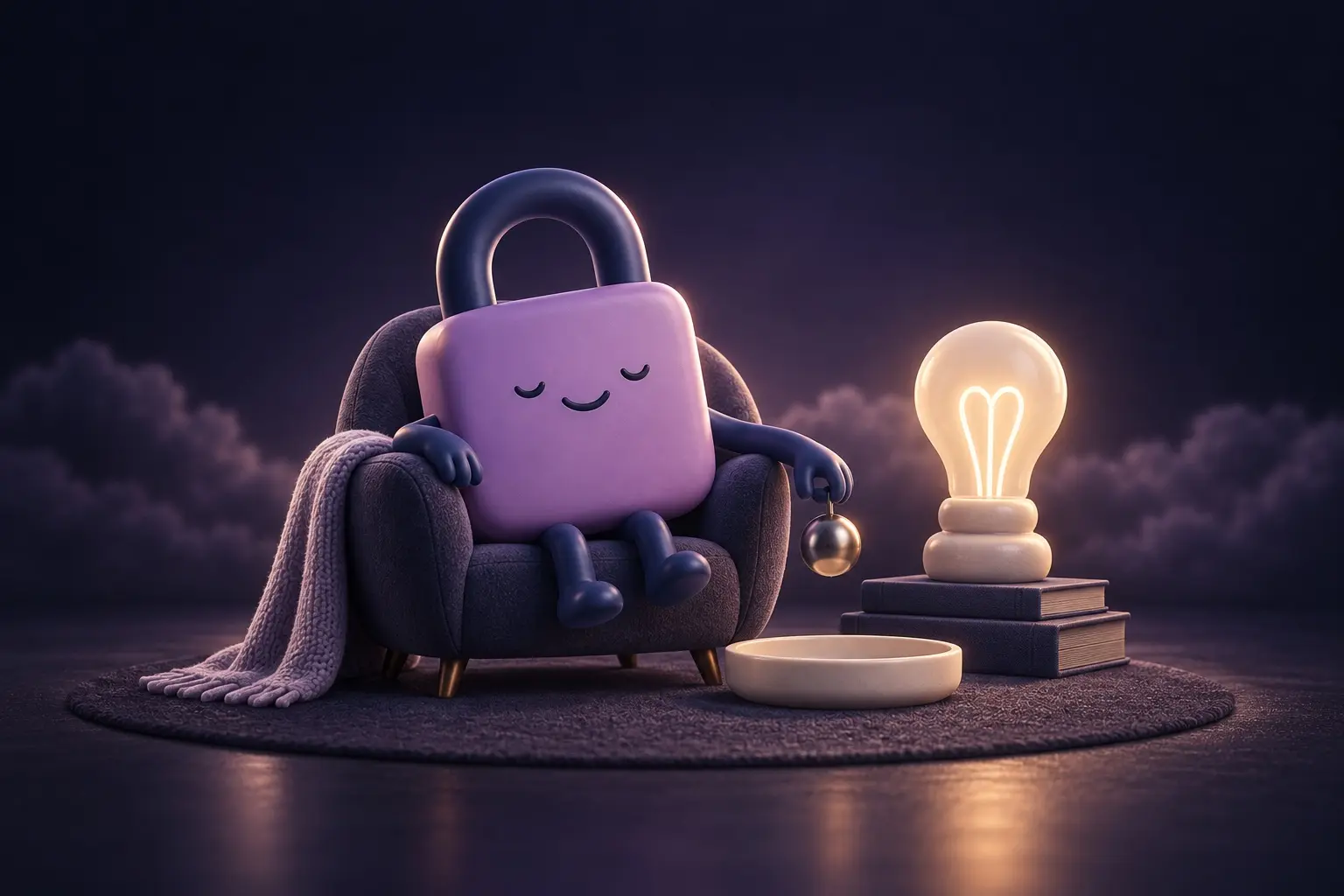
Edison used a unique technique to capture the hypnagogic state. He would sit in a chair holding steel balls (ball bearings) in both hands as he fell asleep.
Modern Scientific Validation
Edison's steel ball technique has recently been validated through scientific research. A 2021 study published in Science Advances revealed remarkable results.
The Dangers of Sleep Deprivation Glorification
Edison's '4-hour sleep' myth continues to influence many people today. However, this glorification of sleep deprivation can cause serious health problems.
Conclusion: The Real Lesson from Edison
Edison's true sleep secret wasn't 'sleeping less' but 'sleeping strategically.' He maintained adequate total sleep through naps and creatively utilized the hypnagogic state.
What modern people should learn from Edison is not to reduce sleep, but to understand the relationship between sleep and creativity and to use strategic rest.
The secret of geniuses is not sleeping less, but using sleep wisely.

The Churchill Sleep Method: The War Hero's Biphasic Sleep Secret
Winston Churchill maintained his daily afternoon nap even during World War II. What was the sleep philosophy of a man who changed into pajamas and slept for 1-2 hours in bed during moments that determined Britain's fate? Discover the secret of Churchill, who lived actively until age 80 using 'biphasic sleep' - 5-6 hours at night and 1-2 hours in the afternoon.

Da Vinci Sleep Method: The Truth About Sleeping 20 Minutes Every 4 Hours
Legend has it that Leonardo da Vinci slept only 2 hours a day yet became one of the greatest geniuses in human history. The so-called 'Da Vinci Sleep Method' or 'Uberman Sleep Schedule' involves taking 20-minute naps every 4 hours. But is this extreme sleep pattern actually achievable? And what does modern science say about it?

What Is Segmented Sleep? Everything About Sleeping in Two Phases
Segmented sleep is a sleep pattern where daily sleep is divided into two or more periods. This sleep method was naturally accepted in many cultures throughout history and is gaining renewed attention in modern society. Learn about the history, pros and cons, and effective practices of segmented sleep.

Ronaldo Sleep Method: The Secret of 90-Minute Cycles, 5 Times a Day
How does Cristiano Ronaldo, one of the world's greatest football players, maintain peak condition well into his 40s? One of his secrets lies in his unique sleep method. Instead of the typical 8 hours of continuous sleep, he practices 'polyphasic sleep' – sleeping for 90 minutes, five times throughout the day.

4 Hours of Sleep: What It Really Does to Your Health
In our fast-paced world, many people believe they can function on just 4 hours of sleep. Some even wear their minimal sleep as a badge of honor. But what does science say about surviving on such limited rest? This article explores the real impact of chronic sleep deprivation and why 4 hours simply isn't enough for most people.

The Napoleon Sleep Method: The Truth About 4-Hour Sleep
Have you heard the story about Napoleon, the great conqueror, who exercised powerful leadership while sleeping only 4 hours a day? Is this sleep method really effective? And did Napoleon actually use this method?