
Insomnia: How It Diminishes Your Quality of Life
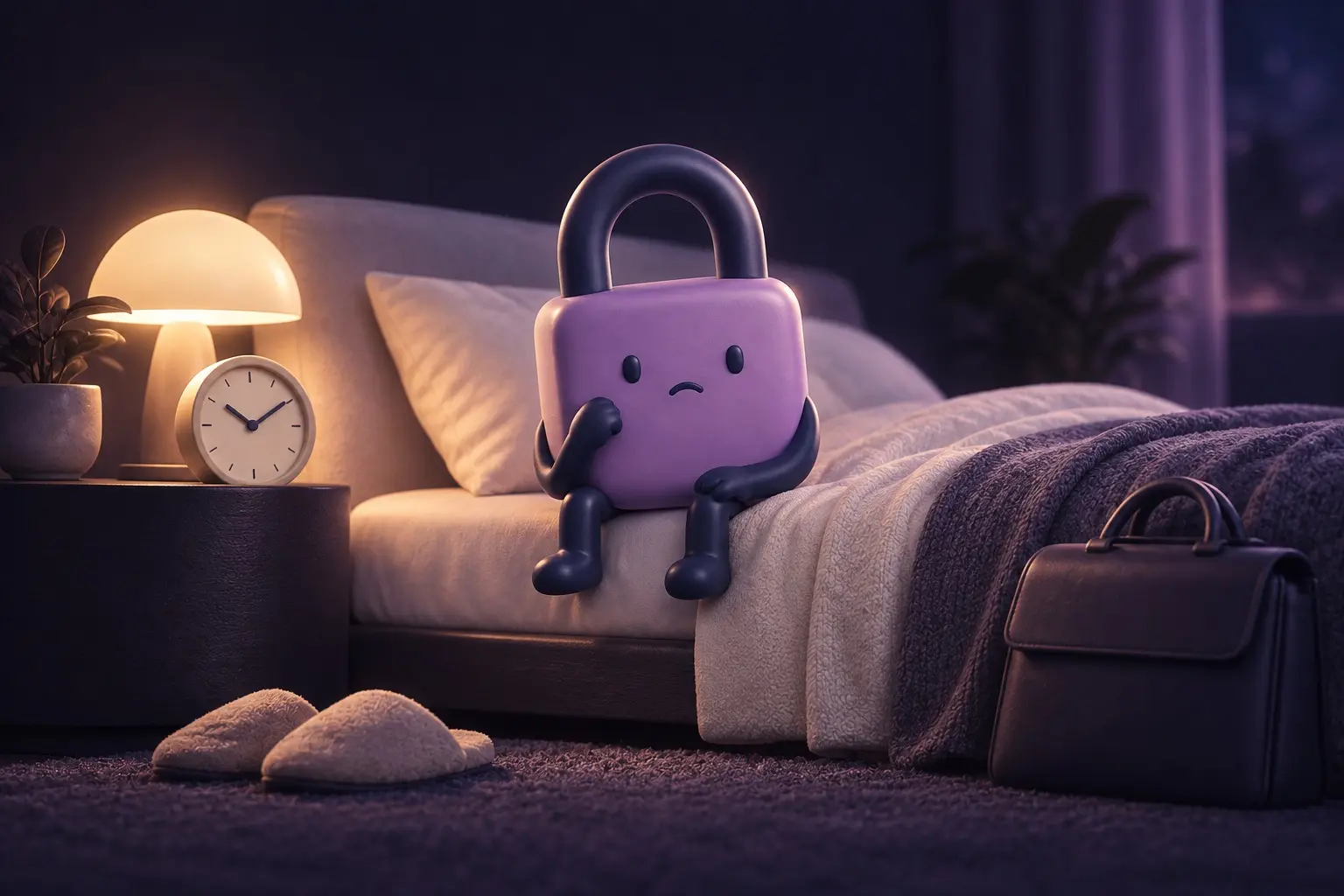
In this article
Insomnia is more than just difficulty sleeping—it's a condition that can profoundly impact every aspect of your daily life. From work performance to personal relationships, the effects of chronic sleeplessness extend far beyond feeling tired. Understanding how insomnia affects your quality of life is the first step toward reclaiming restful nights.
What Is Insomnia?
Insomnia is a sleep disorder characterized by difficulty falling asleep, staying asleep, or waking up too early and being unable to return to sleep. While occasional sleeplessness is normal, chronic insomnia—occurring at least three nights per week for three months or more—can significantly impact your health and well-being.
There are two main types of insomnia: primary insomnia, which occurs independently without any underlying health condition, and secondary insomnia, which is linked to other health issues such as depression, anxiety, chronic pain, or medication side effects.
Key Insight
Approximately 30% of adults experience symptoms of insomnia, and 10% suffer from chronic insomnia. Women and older adults are more commonly affected.
Physical Health Impacts
Chronic insomnia doesn't just leave you feeling tired—it can have serious consequences for your physical health that accumulate over time.
Weakened Immune System
Sleep deprivation reduces your body's production of protective cytokines and infection-fighting antibodies, making you more susceptible to illnesses.
Cardiovascular Risk
Chronic insomnia is associated with increased risk of high blood pressure, heart disease, and stroke due to elevated stress hormones.
Weight Gain
Poor sleep disrupts hormones that regulate appetite, leading to increased hunger and cravings for high-calorie foods.
Chronic Pain
Insomnia can lower your pain threshold and worsen conditions like fibromyalgia, arthritis, and back pain.
Mental Health Consequences
The relationship between insomnia and mental health is bidirectional—each condition can cause and worsen the other, creating a challenging cycle to break.
Depression
People with insomnia are 10 times more likely to develop depression. Lack of sleep affects neurotransmitters that regulate mood.
Anxiety
Sleep deprivation heightens the brain's anticipatory reactions, making you more prone to anxiety and worry about future events.
Cognitive Decline
Memory consolidation, learning, and decision-making abilities are all impaired when you don't get adequate sleep.
Emotional Instability
Insomnia reduces your ability to regulate emotions, leading to increased irritability, mood swings, and difficulty coping with stress.
Impact on Daily Life
Insomnia's effects extend into every corner of your waking hours, affecting your productivity, relationships, and overall enjoyment of life.
Work Performance
Insomnia leads to decreased concentration, more errors, reduced creativity, and lower productivity. Studies show it costs employers billions annually in lost productivity.
Relationships
Sleep deprivation makes you less patient, more irritable, and less emotionally available for your loved ones, straining personal connections.
Safety Risks
Drowsy driving causes thousands of accidents yearly. Insomnia also increases workplace injuries and errors in judgment.
Quality Time
Fatigue robs you of energy for hobbies, exercise, and social activities, leaving you feeling disconnected from the things you enjoy.
Common Causes of Insomnia
Understanding what triggers your insomnia is crucial for finding effective solutions. Common causes include:
Steps Toward Better Sleep
While overcoming insomnia may take time, there are proven strategies that can help you break the cycle and improve your sleep quality.
Establish a Sleep Routine
Go to bed and wake up at the same time every day, even on weekends, to regulate your body's internal clock.
Create a Sleep Sanctuary
Keep your bedroom dark, quiet, cool, and reserved only for sleep and intimacy.
Limit Screen Time
Avoid phones, computers, and TVs for at least an hour before bed to reduce blue light exposure.
Seek Professional Help
If insomnia persists, consult a healthcare provider. Cognitive behavioral therapy for insomnia (CBT-I) is highly effective.
Reclaim Your Quality of Life
Insomnia doesn't have to define your daily experience. By understanding its wide-ranging effects on your physical health, mental well-being, and daily functioning, you can take meaningful steps toward better sleep.
Remember, seeking help is a sign of strength, not weakness. With the right approach and support, restful nights and more vibrant days are within your reach.

Insomnia Self-Assessment Test: Are You Suffering from Insomnia?
Insomnia is one of the most common sleep disorders affecting modern society. Do you have difficulty falling asleep, wake up frequently during the night, or feel unrefreshed despite sleeping? Take this self-assessment test to understand your sleep patterns and determine if you might be experiencing insomnia. Early recognition is the first step toward better sleep.
Why Can't I Sleep? Understanding Insomnia and Sleep Disorders
Lying in bed but can't fall asleep? Does trying harder to sleep only make you feel more awake? Learn about the causes and solutions to this common problem faced by many modern people.

Self-Diagnosing Insomnia: What is the Pittsburgh Sleep Quality Index (PSQI)?
Do you struggle to fall asleep every night or wake up frequently? If you're curious about how serious your sleep problems are, try self-assessing with the Pittsburgh Sleep Quality Index (PSQI), a tool used by professionals. Learn what this test is and how to use it.

Can't Sleep? 4 Science-Backed Tips to Fall Asleep Fast
We've all experienced lying in bed, tossing and turning, unable to fall asleep. Trying to force sleep often makes it worse. Discover 4 scientifically proven methods to naturally fall asleep when you can't sleep.
Why We Wake Up Frequently During Sleep: Understanding the Causes and Solutions
Waking up multiple times during the night can leave you feeling exhausted and frustrated. While occasional nighttime awakenings are normal, frequent interruptions to your sleep can significantly impact your health and quality of life. Let's explore the common reasons why you might be waking up during the night and what you can do about it.

6 Science-Backed Techniques to Overcome Insomnia
Lying awake at night, unable to fall asleep - insomnia is one of the most common sleep disorders in modern life. About 30% of adults worldwide experience insomnia symptoms. But there's hope. With scientifically proven sleep techniques, you can effectively overcome insomnia.