The Close Connection Between ADHD and Sleep: How Attention Deficit Hyperactivity Disorder Affects Your Rest
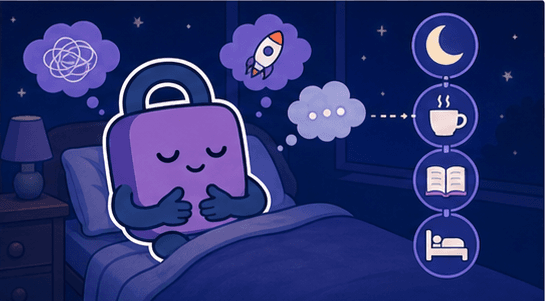
Over 70% of people with ADHD (Attention Deficit Hyperactivity Disorder) experience sleep problems. Difficulty falling asleep, frequent awakenings, and trouble waking up in the morning may not just be habit issues. Understand the complex relationship between ADHD and sleep, and find solutions for better rest.
What is ADHD?
ADHD (Attention Deficit Hyperactivity Disorder) is a neurodevelopmental disorder characterized by inattention, hyperactivity, and impulsivity. While primarily diagnosed in childhood, symptoms often persist into adulthood.
ADHD is associated with imbalances in the brain's dopamine and norepinephrine systems. These neurotransmitters also play crucial roles in attention, arousal, and sleep regulation.
Key Point
25-50% of adults with ADHD have a co-occurring sleep disorder, which is 2-3 times higher than the general population.
How ADHD Affects Sleep
ADHD negatively impacts sleep in various ways:
Difficulty Falling Asleep
An overactive brain makes it hard to quiet thoughts at night, taking an average of 30 minutes to over an hour to fall asleep.
Delayed Sleep Phase
75% of ADHD patients show a 'night owl' tendency, sleeping and waking late. Their internal clock is delayed by about 1.5 hours compared to the average person.
Poor Sleep Quality
Frequent tossing and turning, light sleep, and difficulty reaching deep sleep stages (stages 3-4).
Morning Wake-Up Difficulty
Severe 'sleep inertia' makes it take longer to fully wake up, struggling to get up even with multiple alarms.
Sleep Disorders Associated with ADHD
Common sleep disorders that co-occur with ADHD:
Sleep Onset Insomnia
Taking more than 30 minutes to fall asleep, occurring three or more times per week. This is the most common sleep problem in ADHD patients.
Restless Legs Syndrome (RLS)
Experienced by 25-50% of ADHD patients. Uncomfortable leg sensations and the urge to move make falling asleep difficult.
Sleep Apnea
20-30% of children with ADHD have sleep apnea. Sleep apnea itself can also cause ADHD-like symptoms.
Circadian Rhythm Disorder
The internal clock doesn't align with social schedules, making it difficult to adapt to school or work start times.
The Vicious Cycle
ADHD and sleep deprivation create a vicious cycle that worsens each other:
Sleep Problems from ADHD
Overactive brain, late bedtimes, irregular sleep schedules
Sleep Deprivation
Reduced total sleep time, decreased sleep quality
Worsened ADHD Symptoms
Decreased concentration, increased impulsivity, difficulty regulating emotions
Even Worse Sleep Problems
Increased stress makes falling asleep even harder
Breaking this cycle requires addressing both ADHD treatment and sleep management simultaneously.
Sleep Improvement Strategies for ADHD
The following strategies help improve sleep for people with ADHD:
Maintain a Consistent Sleep Schedule
Go to bed and wake up at the same time, even on weekends. Regular routines are especially important for those with ADHD.
Allow Preparation Time Before Bed
Dim lights and avoid stimulating activities 1-2 hours before sleep. A 'wind-down period' is essential.
Limit Digital Devices
People with ADHD are especially prone to smartphone overuse. Turn off all screens at least 1 hour before bed.
Exercise, But Time It Right
Regular exercise helps sleep, but intense workouts late in the evening increase alertness.
Limit Caffeine Intake
Caffeine effects may last longer in people with ADHD. Avoid caffeine after 2 PM.
Optimize Sleep Environment
Create a dark, cool, and quiet environment. White noise may help calm an overactive brain.
ADHD Medications and Sleep
How ADHD medications affect sleep:
Stimulants (Methylphenidate, Amphetamines)
The most commonly prescribed ADHD medications. Taking them late can cause insomnia, so morning doses are recommended.
Non-Stimulants (Atomoxetine, etc.)
Less impact on sleep. Some patients may experience drowsiness, making evening doses helpful.
Melatonin Supplements
Can help correct delayed sleep phase in ADHD patients. Start with a low dose (0.5-3mg) 1-2 hours before bed.
Always consult with a specialist before adjusting medications.
When to Seek Professional Help
Consult a sleep specialist or psychiatrist in these situations:
- Taking more than 1 hour to fall asleep every night
- Unable to wake up even with 3 or more alarms in the morning
- Extreme daytime sleepiness despite adequate sleep
- Observed snoring or breathing pauses during sleep
- Sleep problems seriously affecting school or work
- Sleep worsening after starting ADHD medication
ADHD and Sleep Must Be Managed Together
ADHD and sleep problems are closely connected. Improving sleep can help ADHD symptoms, and managing ADHD well can improve sleep quality.
By understanding your sleep patterns and using appropriate strategies with professional help, you can achieve better sleep and a better quality of life.
⚠️ Important Notice
This article is for informational purposes only and is not a substitute for professional medical advice, diagnosis, or treatment. If you suspect you have a sleep disorder or any health condition, please consult a doctor or sleep specialist.

Take the First Step to Better Sleep
Build healthy sleep habits with Good Night Lock.
Download Good Night LockRelated Articles
The Complete Guide to Insomnia: Causes, Symptoms, and Scientifically Proven Treatments
Do you find yourself staring at the ceiling every night, tossing and turning? Does it take you more than 30 minutes to fall asleep, or do you keep waking up in the early morning? Insomnia, experienced by 1 in 3 adults worldwide, isn't just about 'not being able to sleep.' Let's explore the scientific causes of insomnia through to evidence-based treatments.
Complete Guide to Narcolepsy: Symptoms, Causes, Diagnosis, and Treatment
Sudden overwhelming sleepiness, knees buckling while laughing... Narcolepsy isn't just 'being sleepy.' It's a neurological disorder caused by hypocretin deficiency. Learn everything about this condition that affects 1 in 2,000 people.
The Complete Guide to Snoring: Causes, Risks, and Solutions
Do you wake your partner every night with thunderous snoring? Or have you ever been startled awake by your own snoring? Snoring isn't just a noisy nuisance—it can be a signal of underlying health issues. About 40% of adults worldwide snore habitually, and some cases involve serious sleep apnea. Let's explore everything from the causes of snoring to effective treatments.
Orthosomnia: When Sleep Tracking Disrupts Your Sleep
Do you feel more anxious after checking your sleep score on your smartwatch? Has your pursuit of perfect sleep actually made it harder to sleep? This is 'Orthosomnia.' As sleep tracking devices become mainstream, we explore this modern sleep disorder that has emerged from our obsession with sleep data.
Awake Until Dawn? It Could Be Delayed Sleep Phase Syndrome (DSPS)
Do you try to fall asleep every night but can't until 2-3 AM, and then struggle terribly to wake up in the morning? If being a 'night owl' is seriously disrupting your daily life, you might have Delayed Sleep Phase Syndrome (DSPS).
Why Can't I Sleep? Understanding Insomnia and Sleep Disorders
Lying in bed but can't fall asleep? Does trying harder to sleep only make you feel more awake? Learn about the causes and solutions to this common problem faced by many modern people.