Adult Bedwetting: 5 in 100 Adults Have This Problem
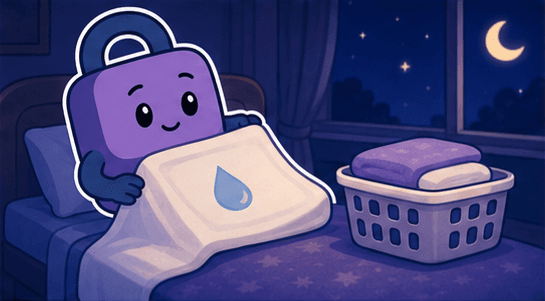
Adult bedwetting (nocturnal enuresis) is more common than you think—affecting about 1-2% of adults. Though often kept secret due to embarrassment, understanding the causes and solutions is the first step toward improvement.
What is Adult Nocturnal Enuresis?
Adult nocturnal enuresis is involuntary urination during sleep in individuals 18 years or older. Unlike childhood bedwetting, which usually resolves naturally, adult bedwetting often signals an underlying condition that needs attention.
Prevalence
About 1-2% of adults experience bedwetting, with higher rates among the elderly
Gender Difference
Men are slightly more likely to experience adult bedwetting than women
Silence
Many sufferers don't seek help due to embarrassment, so actual numbers may be higher
Treatability
Most cases can be significantly improved with proper diagnosis and treatment
Causes of Adult Bedwetting
Adult bedwetting can result from various physical and psychological factors. Identifying the cause is crucial for effective treatment.
Overactive Bladder
Involuntary bladder contractions can cause sudden, uncontrollable urination during sleep
Hormonal Imbalance
Insufficient production of ADH (antidiuretic hormone) increases nighttime urine production
Sleep Apnea
Breathing interruptions during sleep disrupt hormonal balance and can trigger bedwetting
Urinary Tract Infection
UTIs can irritate the bladder and cause temporary bedwetting
Diabetes
Uncontrolled blood sugar leads to excessive urine production, increasing bedwetting risk
Neurological Conditions
Conditions affecting the nervous system can impair bladder control during sleep
Psychological Factors
Mental health conditions can also contribute to adult bedwetting.
Severe Stress
High stress levels affect hormonal balance and may trigger temporary bedwetting
Anxiety and Depression
These conditions can disrupt sleep patterns and bladder control mechanisms
PTSD
Trauma-related conditions can cause bedwetting, especially during nightmares
Medication Side Effects
Some psychiatric medications, sleep aids, and diuretics can increase bedwetting risk
Impact on Quality of Life
Adult bedwetting affects more than just sleep—it impacts overall life quality.
Sleep Disruption
Waking up from wetness ruins sleep quality and causes daytime fatigue
Emotional Distress
Shame, anxiety, and depression are common emotional consequences
Relationship Strain
Intimacy issues and relationship difficulties may arise
Social Isolation
Fear of accidents can lead to avoiding travel, sleepovers, or close relationships
Treatment and Management
Various effective treatments are available depending on the underlying cause.
Lifestyle Changes
Limit fluids before bed, avoid caffeine and alcohol, and empty bladder before sleeping
Bladder Training
Scheduled voiding and pelvic floor exercises can strengthen bladder control
Medication
Desmopressin reduces nighttime urine production, and anticholinergics calm overactive bladders
Bedwetting Alarms
Alarms that detect moisture help train the brain to wake before urination
Treating Underlying Conditions
Managing sleep apnea, diabetes, or UTIs often resolves bedwetting
Counseling
Therapy can help address psychological factors and reduce stress-related bedwetting
When to See a Doctor
Don't hesitate to seek medical help if you experience these situations.
Bedwetting occurs more than once a week
New onset of bedwetting in adulthood
Accompanied by pain, blood in urine, or other symptoms
Daytime incontinence is also present
Affecting your daily life, work, or relationships
You're Not Alone
Adult bedwetting is a medical condition, not a personal failure. Many adults silently struggle with this issue, and effective treatments are available.
Breaking the silence and seeking help is the bravest first step. With proper diagnosis and treatment, most people see significant improvement. Take that first step toward better sleep tonight.
⚠️ Important Notice
This article is for informational purposes only and is not a substitute for professional medical advice, diagnosis, or treatment. If you suspect you have a sleep disorder or any health condition, please consult a doctor or sleep specialist.

Take the First Step to Better Sleep
Build healthy sleep habits with Good Night Lock.
Download Good Night LockRelated Articles
The Complete Guide to Insomnia: Causes, Symptoms, and Scientifically Proven Treatments
Do you find yourself staring at the ceiling every night, tossing and turning? Does it take you more than 30 minutes to fall asleep, or do you keep waking up in the early morning? Insomnia, experienced by 1 in 3 adults worldwide, isn't just about 'not being able to sleep.' Let's explore the scientific causes of insomnia through to evidence-based treatments.
Complete Guide to Narcolepsy: Symptoms, Causes, Diagnosis, and Treatment
Sudden overwhelming sleepiness, knees buckling while laughing... Narcolepsy isn't just 'being sleepy.' It's a neurological disorder caused by hypocretin deficiency. Learn everything about this condition that affects 1 in 2,000 people.
The Complete Guide to Snoring: Causes, Risks, and Solutions
Do you wake your partner every night with thunderous snoring? Or have you ever been startled awake by your own snoring? Snoring isn't just a noisy nuisance—it can be a signal of underlying health issues. About 40% of adults worldwide snore habitually, and some cases involve serious sleep apnea. Let's explore everything from the causes of snoring to effective treatments.
Orthosomnia: When Sleep Tracking Disrupts Your Sleep
Do you feel more anxious after checking your sleep score on your smartwatch? Has your pursuit of perfect sleep actually made it harder to sleep? This is 'Orthosomnia.' As sleep tracking devices become mainstream, we explore this modern sleep disorder that has emerged from our obsession with sleep data.
Awake Until Dawn? It Could Be Delayed Sleep Phase Syndrome (DSPS)
Do you try to fall asleep every night but can't until 2-3 AM, and then struggle terribly to wake up in the morning? If being a 'night owl' is seriously disrupting your daily life, you might have Delayed Sleep Phase Syndrome (DSPS).
Why Can't I Sleep? Understanding Insomnia and Sleep Disorders
Lying in bed but can't fall asleep? Does trying harder to sleep only make you feel more awake? Learn about the causes and solutions to this common problem faced by many modern people.