Why Insomnia Gets Worse With Age: Changes in Circadian Rhythm
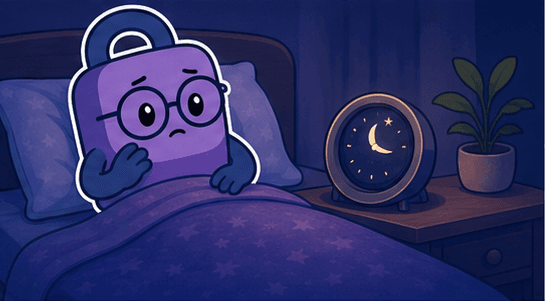
Do you find it harder to fall asleep, wake up more often, and rise earlier as you age? This is a natural part of the aging process, but understanding its causes can help you achieve better sleep. Let's explore how aging affects sleep and how to overcome these challenges.
The Relationship Between Aging and Sleep
About 50% of people over 65 experience sleep problems. This isn't simply due to 'getting older' but because of important changes within the body.
Circadian Rhythm Changes
As we age, our internal clock shifts earlier, making us sleepy in the evening and waking us up early in the morning.
Decreased Melatonin
The production of melatonin, the sleep hormone, decreases, making it harder to achieve deep sleep.
Sleep Architecture Changes
Deep sleep (N3) time decreases while light sleep proportion increases.
Reduced Sleep Efficiency
The ratio of actual sleep time to time spent in bed decreases.
Problems Caused by Circadian Rhythm Changes
The circadian rhythm regulates sleep-wake patterns on a 24-hour cycle. Age-related circadian rhythm changes cause various sleep problems.
Early Evening Drowsiness
Feeling sleepy as early as 7-8 PM leads to early bedtime.
Early Morning Awakening
Waking up at 3-5 AM and being unable to fall back asleep.
Daytime Sleepiness
Insufficient nighttime sleep increases fatigue and drowsiness during the day.
Sleep Fragmentation
Waking up multiple times throughout the night disrupts sleep continuity.
Difficulty with Jet Lag
Adjusting to time zone changes takes much longer than when younger.
Increased Seasonal Sensitivity
Becoming more sensitive to changes in daylight hours.
Main Causes of Elderly Insomnia
Besides circadian rhythm changes, several factors worsen insomnia in older adults.
Chronic Conditions
Pain or discomfort from arthritis, heart disease, diabetes, etc. disrupts sleep.
Medication Side Effects
Many medications including blood pressure drugs and diuretics affect sleep.
Sleep Apnea
Risk of sleep apnea increases with aging.
Decreased Activity
Reduced physical activity leads to decreased sleep drive.
Social Isolation
Reduced social activities make it difficult to maintain regular routines.
Anxiety and Depression
Psychological stress from retirement, spouse loss affects sleep.
Self-Check for Age-Related Sleep Changes
If you experience these symptoms, they may be due to age-related sleep pattern changes.
Feeling Sleepy Too Early
You feel irresistibly sleepy and go to bed before 8 PM.
Waking Up Too Early
You unintentionally wake up at 4-5 AM and cannot fall back asleep.
Waking Multiple Times at Night
You wake up more than 3 times at night even without bathroom needs.
Increased Nap Dependency
You cannot get through the day without a nap.
Not Feeling Refreshed After Sleep
You feel tired in the morning even after 7-8 hours of sleep.
Ways to Improve Elderly Insomnia
While age-related sleep changes cannot be prevented, proper management can improve sleep quality.
Light Exposure Management
Get bright light in the morning and dim lights in the evening to regulate your circadian rhythm.
Consistent Sleep Schedule
Go to bed and wake up at the same time every day to stabilize your internal clock.
Increase Daytime Activity
Moderate exercise and social activities improve the quality of waking hours.
Limit Naps
Keep naps under 20 minutes and only before 3 PM.
Optimize Sleep Environment
Keep the bedroom dark and cool, and reduce noise.
Sleep Hygiene Tips for Older Adults
- •Avoid caffeine after noon
- •Take a light walk after dinner for gentle activity
- •Use the bedroom only for sleep-related activities
- •If you can't sleep, don't force yourself to lie in bed—rest in another room
- •Maintain a regular morning wake-up time
When to Consult a Professional
- ⚠If you have symptoms of breathing stopping along with snoring
- ⚠If severe daytime sleepiness interferes with daily life
- ⚠If depression or anxiety accompanies sleep problems
- ⚠If you've become dependent on sleeping pills
- ⚠If sleep problems persist for more than 3 months
Conclusion: Good Sleep Is Possible at Any Age
Age-related sleep changes are natural phenomena, but they can be significantly improved with proper management.
By respecting your circadian rhythm and maintaining healthy sleep habits, you can wake up refreshed regardless of your age.
⚠️ Important Notice
This article is for informational purposes only and is not a substitute for professional medical advice, diagnosis, or treatment. If you suspect you have a sleep disorder or any health condition, please consult a doctor or sleep specialist.

Take the First Step to Better Sleep
Build healthy sleep habits with Good Night Lock.
Download Good Night LockRelated Articles
Complete Guide to Sleep Apnea: Symptoms, Causes, Diagnosis, and Treatment
Do you sleep enough at night but still feel tired in the morning? Does your partner complain about your loud snoring? Have you ever woken up gasping for air? These symptoms could be signs of 'sleep apnea.' Let's learn about this common yet dangerous sleep disorder that affects approximately 20% of adults.
Complete Guide to REM Sleep Behavior Disorder: Why You Scream or Kick While Sleeping
Has your partner ever suddenly screamed, swung their fists, or jumped out of bed while sleeping? Or have you woken up from a vivid nightmare to find yourself hitting a wall? This could be 'REM Sleep Behavior Disorder (RBD)'. Let's explore this unusual sleep disorder.
Complete GABA Guide: Effects on Sleep and Proper Intake
Have you searched for GABA supplements because you can't sleep? 'Natural sedative', 'stress relief', 'sleep improvement'... The ads are flashy, but do they really work? Let's explore GABA's impact on sleep and the scientific evidence.
Complete Guide to Ecklonia Cava Benefits: Effects on Sleep and Scientific Evidence
Have you heard about 'Ecklonia cava extract' gaining attention as a sleep supplement? Can this brown seaweed growing along Korean and Japanese coasts really help with sleep? Let's explore the sleep benefits of Ecklonia cava extract with scientific research.
Sleep and Disc Health: Why Poor Sleep Causes Back Pain
Do you wake up with a stiff or aching back? Learn how your sleep position and mattress affect spinal health, and discover the right sleeping methods for those with disc problems.
Why Your Back Hurts When You Wake Up: Causes and Solutions
Waking up with a stiff, aching back is something many of us experience. Why does back pain occur even after a full night's sleep? In this article, we explore the causes of morning back pain and effective solutions to fix it.