Why Alcohol Causes Insomnia: The Science Behind Sleep Disruption
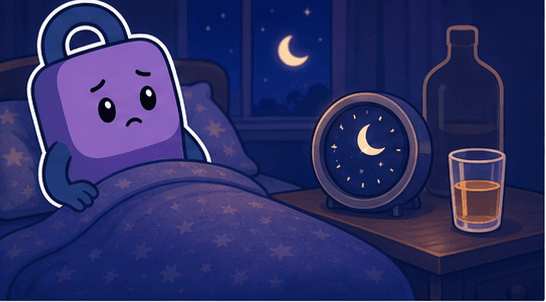
Ever felt drowsy after drinking but found yourself wide awake or frequently waking up once you're in bed? Discover the complex effects of alcohol on sleep and the science behind it.
Why Does Alcohol Make You Drowsy?
Alcohol acts as a sedative that depresses the central nervous system. Initially, it activates GABA (gamma-aminobutyric acid) receptors, inducing relaxation and drowsiness.
This is why drinking makes you feel like you fall asleep quickly. However, this isn't natural sleep—it's closer to a form of 'passing out.'
Key Point
Alcohol doesn't induce sleep—it suppresses consciousness. This significantly degrades sleep quality.
5 Ways Alcohol Disrupts Your Sleep
Alcohol degrades sleep quality through multiple mechanisms.
1. Rebound Arousal Effect
As alcohol metabolizes, acetaldehyde is produced, which has stimulating effects. This causes frequent awakenings in the second half of the night.
2. REM Sleep Suppression
Alcohol suppresses REM sleep in the first half of the night. A REM rebound occurs later, causing vivid dreams or nightmares.
3. Sleep Architecture Disruption
Normal sleep cycles (90-minute intervals) are disrupted. The balance between deep and light sleep is disturbed, reducing overall sleep efficiency.
4. Diuretic Effect
Alcohol inhibits antidiuretic hormone (ADH) secretion. This leads to frequent bathroom visits throughout the night, fragmenting sleep.
5. Muscle Relaxation and Snoring
Alcohol relaxes throat muscles, narrowing the airway. This worsens snoring and sleep apnea, degrading sleep quality.
Alcohol Metabolism and Sleep
The body metabolizes alcohol at about 7g per hour (roughly equivalent to 200ml of beer). A bottle of wine takes approximately 5-6 hours to fully process.
During alcohol metabolism, acetaldehyde—a toxic substance—is produced. This compound increases heart rate and activates the sympathetic nervous system, causing arousal.
Post-Drinking Sleep Timeline
Sedative effect enables quick sleep onset, increased deep sleep, REM sleep suppression
Alcohol metabolism begins, increased arousal, sleep becomes lighter
REM rebound, frequent awakenings, early morning awakening
How to Sleep Better After Drinking
If you can't avoid drinking entirely, here's how to minimize its impact on sleep.
Stop Drinking 4 Hours Before Bed
Finish drinking at least 4 hours before bedtime. This allows alcohol to be partially metabolized before sleep.
Moderate Your Intake
Limit to 2 drinks for men, 1 for women. More alcohol means greater sleep disruption.
Stay Hydrated
Drink plenty of water to prevent dehydration from alcohol's diuretic effect.
Eat Before Drinking
Drinking on an empty stomach speeds alcohol absorption. Eat food and drink slowly.
Avoid Caffeine Mixers
Combining alcohol with caffeine amplifies sleep disruption effects.
Alcohol Dependence and Sleep Problems
Habitual drinking can lead to more serious sleep issues.
Warning
Using alcohol to treat insomnia is very dangerous. While it may seem to help temporarily, it worsens sleep problems in the long run.
Healthy Alternatives for Sleep
There are healthier ways to induce sleep without alcohol.
Tart Cherry Juice
Rich in natural melatonin to support sleep.
Chamomile Tea
Contains apigenin which promotes relaxation and sleep.
Magnesium Supplements
Helps with muscle relaxation and nervous system calming.
Warm Milk
Tryptophan helps produce serotonin and melatonin.
Alcohol Is Not a Sleep Aid
While alcohol may temporarily induce drowsiness, it significantly degrades sleep quality. The second-half awakenings, REM sleep disruption, and frequent bathroom visits make it difficult to wake up refreshed.
For good sleep, avoid drinking before bed and develop healthy sleep habits. If sleep problems persist, consult a specialist.
⚠️ Important Notice
This article is for informational purposes only and is not a substitute for professional medical advice, diagnosis, or treatment. If you suspect you have a sleep disorder or any health condition, please consult a doctor or sleep specialist.

Take the First Step to Better Sleep
Build healthy sleep habits with Good Night Lock.
Download Good Night LockRelated Articles
Why Is It So Hard to Wake Up in the Morning? Understanding Sleep Inertia
Do you find yourself hitting the snooze button multiple times every morning? Feel like you need an extra hour of sleep no matter how long you slept? You're experiencing sleep inertia - a fascinating phenomenon that affects millions of people worldwide.
Why Alcohol Disrupts Your Sleep (Even Though It Makes You Drowsy)
After a drink or two, you might feel relaxed and sleepy—perfect for bedtime, right? Not quite. While alcohol can make you drowsy initially, it actually sabotages your sleep quality in ways that leave you feeling tired the next day. Let's uncover the science behind alcohol's complex relationship with sleep.
The Napoleon Sleep Method: The Truth About 4-Hour Sleep
Have you heard the story about Napoleon, the great conqueror, who exercised powerful leadership while sleeping only 4 hours a day? Is this sleep method really effective? And did Napoleon actually use this method?
Why Do We Dream So Often? The Science Behind Frequent Dreams
Why do we have vivid dreams on some nights while remembering nothing on others? Let's explore the science of dreams to understand why we dream and how we can enjoy more restful nights.
The Science of Pulling an All-Nighter: How 24 Hours Without Sleep Affects Your Body and Brain
Cramming for an exam, racing against a project deadline, or staying up all night with friends—we've all been there. But what actually happens to your body and brain when you go a full 24 hours without sleep? Let's explore the science behind all-nighters and learn how to handle them when they're truly unavoidable.
Melatonin Side Effects: What to Know About 5mg & 10mg Doses
Melatonin is a natural hormone and popular sleep aid that helps millions get better rest. However, different dosages can come with various side effects. Let's explore how melatonin works, what side effects to watch for at different doses, and how to use it safely.