Why Am I Always Sleepy Even After Sleeping? Could It Be Narcolepsy?
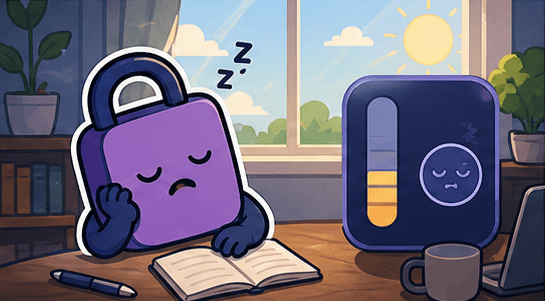
Do you feel constantly tired no matter how much you sleep? Excessive daytime sleepiness can significantly impact your quality of life. While narcolepsy is one possibility, there are many other conditions that could explain why you're always feeling drowsy. Let's explore the causes and solutions.
What Is Excessive Daytime Sleepiness?
Excessive daytime sleepiness (EDS) is more than just feeling tired after a poor night's sleep. It's a persistent, overwhelming urge to sleep during the day that can interfere with work, relationships, and daily activities.
If you find yourself struggling to stay awake during meetings, while driving, or during other activities that require alertness, you may be experiencing EDS. This condition affects an estimated 10-20% of the general population.
Signs of Excessive Daytime Sleepiness:
- •Difficulty staying awake during passive activities like reading or watching TV
- •Falling asleep in inappropriate situations (meetings, while driving)
- •Needing naps almost every day
- •Difficulty concentrating and making decisions
- •Irritability and mood changes
- •Memory problems and reduced productivity
Common Causes of Constant Sleepiness
Before assuming the worst, consider these common causes that can be addressed with lifestyle changes.
Insufficient Sleep
Most adults need 7-9 hours of sleep. Consistently getting less leads to accumulated sleep debt that makes you feel exhausted.
Poor Sleep Quality
Even with enough hours in bed, interrupted or light sleep doesn't provide the restoration your body needs.
Irregular Sleep Schedule
Inconsistent bedtimes and wake times disrupt your circadian rhythm, leading to persistent fatigue.
Diet and Nutrition
Heavy meals, excessive caffeine, alcohol before bed, and nutritional deficiencies can all affect sleep quality.
Sedentary Lifestyle
Lack of physical activity can paradoxically increase feelings of fatigue and sleepiness.
Stress and Mental Health
Anxiety, depression, and chronic stress significantly impact both sleep quality and daytime alertness.
Medical Conditions That Cause Sleepiness
If lifestyle factors don't explain your sleepiness, these medical conditions should be considered.
Sleep Apnea
Breathing repeatedly stops during sleep, causing frequent awakenings that fragment your rest. Snoring and morning headaches are common symptoms.
Thyroid Disorders
Hypothyroidism slows metabolism and can cause persistent fatigue and sleepiness even after adequate rest.
Anemia
Low iron levels reduce oxygen delivery to tissues, causing fatigue, weakness, and excessive sleepiness.
Diabetes
Blood sugar fluctuations can cause significant fatigue and drowsiness, especially after meals.
Chronic Fatigue Syndrome
Characterized by extreme fatigue that doesn't improve with rest and worsens with physical or mental activity.
Could It Be Narcolepsy?
Narcolepsy is a neurological disorder that affects the brain's ability to regulate sleep-wake cycles. While relatively rare (affecting about 1 in 2,000 people), it's important to recognize its symptoms.
Narcolepsy typically develops between ages 10-30 and is a chronic condition that requires medical management.
Key Symptoms of Narcolepsy:
Excessive Daytime Sleepiness
Overwhelming drowsiness that occurs regardless of how much sleep you get at night.
Cataplexy
Sudden loss of muscle tone triggered by strong emotions like laughter, surprise, or anger. Not everyone with narcolepsy experiences this.
Sleep Paralysis
Temporary inability to move or speak while falling asleep or waking up.
Hallucinations
Vivid, often frightening visual or auditory experiences when falling asleep or waking.
Disrupted Nighttime Sleep
Paradoxically, many with narcolepsy have fragmented, poor-quality nighttime sleep.
Self-Assessment Questions
Answer these questions honestly to help determine if you should seek medical evaluation.
- 1Do you fall asleep unexpectedly during normal activities?
- 2Do you need to nap almost every day to function?
- 3Have you experienced sudden weakness when laughing or emotional?
- 4Do you have vivid dreams or hallucinations when falling asleep?
- 5Have you experienced being unable to move upon waking?
- 6Does your sleepiness persist even after getting 8+ hours of sleep?
- 7Has this been going on for 3 months or longer?
- 8Is your sleepiness affecting your work, relationships, or safety?
If you answered yes to several of these questions, especially the ones about cataplexy, sleep paralysis, or hallucinations, consult a sleep specialist.
When to See a Doctor
Seek medical evaluation if your sleepiness meets any of these criteria:
- ⚠Persists for more than 2-3 weeks despite adequate sleep
- ⚠Interferes with work, school, or daily activities
- ⚠Creates safety concerns (like drowsy driving)
- ⚠Is accompanied by other symptoms like snoring, gasping, or leg movements during sleep
- ⚠Includes sudden muscle weakness with emotions
- ⚠Involves hallucinations or sleep paralysis
A sleep specialist can conduct tests including polysomnography (overnight sleep study) and Multiple Sleep Latency Test (MSLT) to determine the cause of your sleepiness.
Tips to Combat Daytime Sleepiness
While awaiting diagnosis or if your sleepiness is lifestyle-related, these strategies can help.
Prioritize Sleep Hygiene
Maintain consistent sleep and wake times, create a dark, cool bedroom, and limit screens before bed.
Strategic Napping
Short naps (15-20 minutes) in early afternoon can boost alertness without affecting nighttime sleep.
Get Morning Light
Exposure to bright light soon after waking helps regulate your circadian rhythm and increases alertness.
Stay Active
Regular physical activity improves sleep quality and increases daytime energy levels.
Watch Your Diet
Avoid heavy meals, limit caffeine to mornings, and stay hydrated throughout the day.
Manage Stress
Practice relaxation techniques, maintain social connections, and address any mental health concerns.
Treatment Options
Treatment depends on the underlying cause of your sleepiness.
For Sleep Disorders
CPAP for sleep apnea, medications for narcolepsy, or treatment of restless legs syndrome.
For Medical Conditions
Thyroid medication, iron supplements for anemia, or blood sugar management for diabetes.
Lifestyle Modifications
Sleep schedule optimization, exercise programs, and dietary changes.
Stimulant Medications
For narcolepsy and some cases of hypersomnia, doctors may prescribe wake-promoting medications.
Conclusion
Constant sleepiness isn't something you have to accept as normal. While it might be due to simple lifestyle factors that you can address, it could also indicate an underlying medical condition that requires treatment.
If you've been struggling with excessive daytime sleepiness for more than a few weeks, don't ignore it. Seek medical evaluation to identify the cause and find appropriate treatment. Quality sleep and daytime alertness are essential for your health, safety, and overall quality of life.
⚠️ Important Notice
This article is for informational purposes only and is not a substitute for professional medical advice, diagnosis, or treatment. If you suspect you have a sleep disorder or any health condition, please consult a doctor or sleep specialist.

Take the First Step to Better Sleep
Build healthy sleep habits with Good Night Lock.
Download Good Night LockRelated Articles
The Complete Guide to Insomnia: Causes, Symptoms, and Scientifically Proven Treatments
Do you find yourself staring at the ceiling every night, tossing and turning? Does it take you more than 30 minutes to fall asleep, or do you keep waking up in the early morning? Insomnia, experienced by 1 in 3 adults worldwide, isn't just about 'not being able to sleep.' Let's explore the scientific causes of insomnia through to evidence-based treatments.
Complete Guide to Narcolepsy: Symptoms, Causes, Diagnosis, and Treatment
Sudden overwhelming sleepiness, knees buckling while laughing... Narcolepsy isn't just 'being sleepy.' It's a neurological disorder caused by hypocretin deficiency. Learn everything about this condition that affects 1 in 2,000 people.
The Complete Guide to Snoring: Causes, Risks, and Solutions
Do you wake your partner every night with thunderous snoring? Or have you ever been startled awake by your own snoring? Snoring isn't just a noisy nuisance—it can be a signal of underlying health issues. About 40% of adults worldwide snore habitually, and some cases involve serious sleep apnea. Let's explore everything from the causes of snoring to effective treatments.
Orthosomnia: When Sleep Tracking Disrupts Your Sleep
Do you feel more anxious after checking your sleep score on your smartwatch? Has your pursuit of perfect sleep actually made it harder to sleep? This is 'Orthosomnia.' As sleep tracking devices become mainstream, we explore this modern sleep disorder that has emerged from our obsession with sleep data.
Awake Until Dawn? It Could Be Delayed Sleep Phase Syndrome (DSPS)
Do you try to fall asleep every night but can't until 2-3 AM, and then struggle terribly to wake up in the morning? If being a 'night owl' is seriously disrupting your daily life, you might have Delayed Sleep Phase Syndrome (DSPS).
Why Can't I Sleep? Understanding Insomnia and Sleep Disorders
Lying in bed but can't fall asleep? Does trying harder to sleep only make you feel more awake? Learn about the causes and solutions to this common problem faced by many modern people.