Still Tired After Sleeping? Why You're Always Exhausted
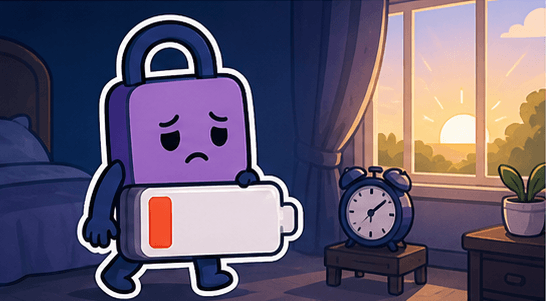
Why do you still feel tired even after getting enough sleep? Waking up exhausted and struggling to keep your eyes open by afternoon is a common experience. It might not just be about how many hours you sleep. Let's explore the real causes of chronic fatigue and how to fix them.
Why Are You Still Tired After Sleeping?
There are various reasons why you might feel tired despite getting enough sleep.
Poor Sleep Quality
Even sleeping 7-8 hours won't restore your energy if you lack deep sleep. Frequent awakenings or light sleep prevent your body from truly resting.
Irregular Sleep Patterns
The difference between weekday and weekend sleep times, known as 'social jet lag,' disrupts your circadian rhythm and causes chronic fatigue.
Sleep Apnea
Breathing stops briefly during sleep, significantly reducing sleep quality without you knowing. If you snore heavily, consider getting checked.
Stress and Anxiety
Prolonged mental tension prevents your brain from fully resting during sleep, making fatigue recovery difficult.
Health Conditions to Consider
Persistent fatigue may signal underlying health issues.
Iron Deficiency Anemia
Low iron reduces oxygen-carrying capacity, making you tire easily. This is especially common in women.
Hypothyroidism
Insufficient thyroid hormone slows metabolism, potentially causing chronic fatigue, weight gain, and depression.
Diabetes or Blood Sugar Issues
Poor blood sugar control leads to unstable energy supply, making you feel tired easily.
Vitamin D Deficiency
Common in modern people with limited sun exposure, this can cause fatigue and lethargy.
Lifestyle Habits Causing Fatigue
If health isn't the issue, examine your daily habits.
Excessive Caffeine Intake
Relying on coffee provides temporary alertness, but you feel worse when caffeine wears off. Avoid caffeine after 2 PM.
Lack of Exercise
Paradoxically, not exercising makes you more tired. Regular exercise boosts energy levels.
Unbalanced Diet
Carb-heavy meals, irregular eating times, and nutritional imbalances cause energy depletion.
Dehydration
Even mild dehydration causes decreased concentration and fatigue. Drink at least 2 liters of water daily.
Your Smartphone Is Making You Tired
Using your smartphone before bed significantly affects sleep quality.
Blue Light Effects
Blue light from smartphones suppresses melatonin production, making it harder to fall asleep and reducing sleep quality.
Brain Overstimulation
Social media, news, and videos stimulate your brain, making it difficult to relax before sleep.
Sleep Time Theft
'Just a bit more' turns into 1-2 hours, stealing your sleep time.
Delayed Sleep Onset
Using your phone in bed teaches your brain 'bed = alert,' making it take longer to fall asleep.
Practical Tips to Overcome Fatigue
Start these fatigue-fighting strategies today.
Maintain Consistent Sleep Times
Go to bed and wake up at the same time, even on weekends. A stable circadian rhythm improves sleep quality.
Improve Sleep Environment
Keep your bedroom dark, quiet, and cool. 18-20°C is the optimal sleep temperature.
Create a Bedtime Routine
Put your phone away 1 hour before bed and do relaxing activities like reading or stretching.
Use Power Naps
A short nap under 20 minutes before 3 PM can recharge your energy. Longer naps interfere with nighttime sleep.
Get Health Check-ups
If fatigue persists, get tested for anemia, thyroid function, and diabetes.
Find and Address the Root Cause
Being tired despite sleeping enough might not just be about lack of sleep. Take a comprehensive look at your sleep quality, lifestyle habits, and health status.
Especially, using your smartphone before bed is a major culprit in reducing sleep quality. Small habit changes can help you regain your energy.
⚠️ Important Notice
This article is for informational purposes only and is not a substitute for professional medical advice, diagnosis, or treatment. If you suspect you have a sleep disorder or any health condition, please consult a doctor or sleep specialist.

Take the First Step to Better Sleep
Build healthy sleep habits with Good Night Lock.
Download Good Night LockRelated Articles
Complete Guide to Sleep Apnea: Symptoms, Causes, Diagnosis, and Treatment
Do you sleep enough at night but still feel tired in the morning? Does your partner complain about your loud snoring? Have you ever woken up gasping for air? These symptoms could be signs of 'sleep apnea.' Let's learn about this common yet dangerous sleep disorder that affects approximately 20% of adults.
Complete Guide to REM Sleep Behavior Disorder: Why You Scream or Kick While Sleeping
Has your partner ever suddenly screamed, swung their fists, or jumped out of bed while sleeping? Or have you woken up from a vivid nightmare to find yourself hitting a wall? This could be 'REM Sleep Behavior Disorder (RBD)'. Let's explore this unusual sleep disorder.
Complete GABA Guide: Effects on Sleep and Proper Intake
Have you searched for GABA supplements because you can't sleep? 'Natural sedative', 'stress relief', 'sleep improvement'... The ads are flashy, but do they really work? Let's explore GABA's impact on sleep and the scientific evidence.
Complete Guide to Ecklonia Cava Benefits: Effects on Sleep and Scientific Evidence
Have you heard about 'Ecklonia cava extract' gaining attention as a sleep supplement? Can this brown seaweed growing along Korean and Japanese coasts really help with sleep? Let's explore the sleep benefits of Ecklonia cava extract with scientific research.
Sleep and Disc Health: Why Poor Sleep Causes Back Pain
Do you wake up with a stiff or aching back? Learn how your sleep position and mattress affect spinal health, and discover the right sleeping methods for those with disc problems.
Why Your Back Hurts When You Wake Up: Causes and Solutions
Waking up with a stiff, aching back is something many of us experience. Why does back pain occur even after a full night's sleep? In this article, we explore the causes of morning back pain and effective solutions to fix it.