Atopic Dermatitis and Sleep Disorders: Breaking the Itch-Scratch Cycle
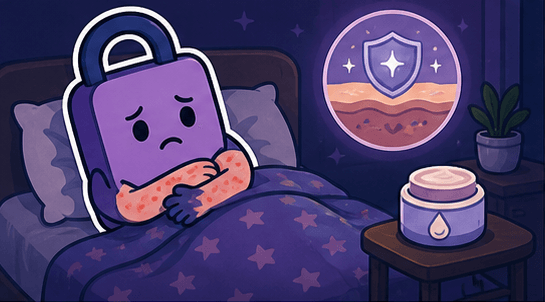
Atopic dermatitis (eczema) affects millions worldwide, and one of its most debilitating symptoms is sleep disruption. The relentless itching intensifies at night, creating a vicious cycle that affects both skin health and sleep quality. Understand the connection and discover evidence-based strategies to improve your sleep.
Why Atopic Dermatitis Worsens at Night
If you have eczema, you've likely noticed that itching becomes unbearable at night. This isn't just your imagination—there are biological reasons behind nocturnal itch intensification.
Circadian Rhythm Effects
Your body's natural cortisol levels drop at night. Cortisol has anti-inflammatory properties, so lower levels mean increased inflammation and itching.
Temperature Changes
Body temperature rises slightly at night, which can trigger histamine release and worsen itching. Warm bedding and pajamas amplify this effect.
Decreased Distractions
During the day, your brain is occupied with activities. At night, without distractions, you become hyperaware of itching sensations.
Trans-Epidermal Water Loss
Skin loses more moisture at night, causing dryness and increased irritation, especially in eczema-prone skin.
The Impact on Sleep Quality
The relationship between atopic dermatitis and sleep is bidirectional—poor skin health disrupts sleep, and poor sleep worsens skin condition.
Sleep Fragmentation
Patients with moderate to severe eczema wake up an average of 8-10 times per night due to itching, severely fragmenting sleep cycles.
Reduced Deep Sleep
Constant itching prevents you from reaching deep, restorative sleep stages, leaving you exhausted despite spending hours in bed.
Stress and Inflammation
Poor sleep increases cortisol and inflammatory markers, which further aggravate eczema symptoms—creating a vicious cycle.
Quality of Life
Chronic sleep disruption from eczema is linked to depression, anxiety, reduced productivity, and impaired quality of life.
Evidence-Based Strategies for Better Sleep
Breaking the itch-scratch-sleeplessness cycle requires a comprehensive approach combining skincare, environmental modifications, and sleep hygiene.
Intensive Evening Moisturizing
Apply thick, fragrance-free moisturizers or emollients immediately after bathing and before bed. Consider wet wrap therapy for severe cases.
Cool Bedroom Environment
Keep your bedroom between 60-67°F (15-19°C). Use breathable cotton sheets and lightweight, loose-fitting pajamas. Consider a fan for air circulation.
Antihistamines (with Caution)
Sedating antihistamines like hydroxyzine can help reduce itching and promote sleep, but consult your doctor as they're not suitable for everyone.
Mittens and Protective Measures
Wear soft cotton gloves at night to prevent scratching damage. Keep nails trimmed short. For children, consider special eczema sleepwear.
Stress Management
Practice relaxation techniques before bed—meditation, deep breathing, or progressive muscle relaxation can reduce stress-related flare-ups.
Medical Treatments for Nighttime Eczema
If lifestyle modifications aren't enough, several medical treatments can help manage nighttime symptoms:
- Topical corticosteroids: Use as prescribed by your dermatologist, typically applied before bedtime
- Topical calcineurin inhibitors: Non-steroidal alternatives for sensitive areas like the face
- Biologic medications: For severe cases, medications like dupilumab can significantly reduce inflammation and itching
- Phototherapy: UV light treatment can help reduce inflammation when done regularly
Always work with a dermatologist to find the right treatment plan for your specific case.
Sleep Hygiene Tips for Eczema Patients
- •Maintain a consistent sleep schedule, even on weekends
- •Take a lukewarm (not hot) bath 1-2 hours before bed with colloidal oatmeal or bath oils
- •Avoid known triggers: certain fabrics, detergents, foods, or stress
- •Use a humidifier to maintain 40-50% humidity in your bedroom
- •Limit screen time before bed—blue light can worsen inflammation
- •Avoid caffeine and alcohol, which can disrupt sleep and trigger flare-ups
When to See a Doctor
Seek medical attention if:
- Your sleep is severely disrupted for more than two weeks
- Over-the-counter treatments aren't controlling symptoms
- You notice signs of infection (oozing, yellow crusting, fever)
- Eczema is significantly affecting your mental health or daily functioning
Don't suffer in silence—effective treatments are available, and your quality of life matters.
Conclusion
Living with atopic dermatitis doesn't mean accepting sleepless nights. By understanding the connection between eczema and sleep, implementing evidence-based strategies, and working with healthcare professionals, you can break the itch-scratch-sleeplessness cycle.
Remember that improvement takes time. Be patient with yourself, stick to your skincare routine, and don't hesitate to seek professional help when needed. Better sleep is possible, and it can significantly improve both your skin health and overall well-being.
⚠️ Important Notice
This article is for informational purposes only and is not a substitute for professional medical advice, diagnosis, or treatment. If you suspect you have a sleep disorder or any health condition, please consult a doctor or sleep specialist.

Take the First Step to Better Sleep
Build healthy sleep habits with Good Night Lock.
Download Good Night Lock