Baby Sleep Training Guide: Helping Your Little One Sleep Through the Night
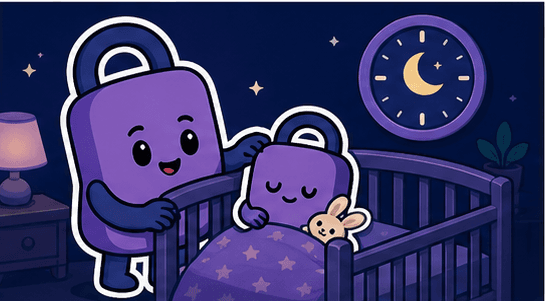
Sleep training is one of the most discussed topics among new parents. Teaching your baby to fall asleep independently can be challenging, but with the right approach and timing, it can lead to better sleep for the whole family. This comprehensive guide covers everything you need to know about baby sleep training methods, when to start, and how to choose the right approach for your family.
What Is Sleep Training?
Sleep training is the process of helping your baby learn to fall asleep independently and stay asleep through the night. It's about teaching self-soothing skills so your baby can settle themselves without constant parental intervention.
Independence
Sleep training helps babies learn to fall asleep on their own without being rocked, fed, or held every time they wake up.
Self-Soothing
Babies develop the ability to calm themselves down when they naturally wake between sleep cycles, which happens multiple times per night.
Healthy Habits
Establishing consistent sleep routines early creates a foundation for healthy sleep habits that can last throughout childhood.
Family Rest
When babies sleep better, parents sleep better too, which improves overall family well-being and reduces parental exhaustion.
When to Start Sleep Training
Timing is crucial for successful sleep training. Starting too early or too late can make the process more difficult.
4-6 Months
Most pediatricians recommend starting sleep training between 4-6 months of age. At this stage, babies are developmentally ready to learn self-soothing skills and can typically sleep longer stretches without feeding.
Weight Milestone
Your baby should have doubled their birth weight before considering sleep training. This indicates they can physically handle longer periods without nighttime feeding.
Health Check
Ensure your baby is healthy and not going through any major developmental leaps, teething, or illness before starting sleep training.
Consistency Period
Choose a time when your family's schedule is stable for at least 2-3 weeks. Avoid starting during holidays, moves, or major life changes.
Popular Sleep Training Methods
There are several proven approaches to sleep training. Each family should choose the method that best aligns with their parenting style and baby's temperament.
Ferber Method (Graduated Extinction)
Also known as 'cry it out' with checks, this method involves putting your baby down awake and returning at increasing intervals to briefly reassure them without picking them up. Intervals typically start at 3 minutes and gradually increase.
Chair Method
Parents sit in a chair next to the crib and move the chair further away each night until they're out of the room. This provides gradual independence while maintaining parental presence during the transition.
Pick Up/Put Down Method
When your baby cries, you pick them up to calm them, then put them back down once calm. Repeat until they fall asleep. This method is gentle but can be time-consuming.
Bedtime Fading
Gradually shift your baby's bedtime later until they're tired enough to fall asleep quickly, then slowly move bedtime earlier again. This works with your baby's natural sleep drive.
No Tears Method
This gentle approach focuses on establishing strong sleep associations and routines while minimizing crying. It takes longer but may be preferable for parents uncomfortable with other methods.
Creating the Perfect Sleep Environment
A conducive sleep environment can significantly improve sleep training success. Consider these essential elements:
Darkness
Use blackout curtains to create a dark room. Darkness triggers melatonin production, signaling to your baby's body that it's time to sleep.
White Noise
A consistent white noise machine can mask household sounds and create a soothing environment that reminds babies of the womb.
Temperature
Keep the room between 68-72°F (20-22°C). Babies sleep best in slightly cool environments, and overheating can be dangerous.
Safe Sleep Space
Ensure the crib meets safety standards with a firm mattress and fitted sheet only. Remove all loose blankets, pillows, and toys.
Consistent Location
Have your baby sleep in the same place for all sleep times. This consistency helps reinforce sleep cues and expectations.
Establishing a Bedtime Routine
A consistent bedtime routine is perhaps the most important element of successful sleep training. It signals to your baby that sleep time is approaching.
Timing
Start your routine 30-45 minutes before the desired bedtime. Consistency in timing helps regulate your baby's internal clock.
Bath Time
A warm bath can be relaxing and serves as a clear signal that bedtime is approaching. Keep the water comfortably warm, not hot.
Pajamas and Diaper
Change into comfortable sleep clothes in a dimly lit room. This transition helps shift your baby into sleep mode.
Feeding
If you include a feeding, try to keep your baby awake during it. Falling asleep while feeding can create sleep associations that hinder independent sleep.
Stories and Songs
Read a short book or sing a lullaby. Keep this portion calm and quiet to promote relaxation rather than stimulation.
Goodnight Ritual
End with a consistent phrase or action, like saying 'goodnight' and giving a kiss. This signals the end of the routine and the beginning of sleep time.
Common Challenges and Solutions
Sleep training rarely goes perfectly. Here are common challenges parents face and how to overcome them:
Night Wakings
Some night wakings are normal. Wait a few minutes before responding to see if your baby can self-settle. If they need you, keep the interaction brief and boring.
Early Morning Waking
If your baby wakes too early, keep the room dark and treat it like a night waking. Avoid starting the day before your target wake time.
Nap Struggles
Nap training is often harder than nighttime. Be consistent with nap routines and timing, and give it extra time to work.
Sleep Regressions
Temporary setbacks during developmental leaps are normal. Stay consistent with your approach and sleep will typically improve within 1-2 weeks.
Travel and Illness
Disruptions to routine can affect sleep. Return to your normal routine as soon as possible after any interruption.
Signs of Sleep Training Success
How do you know if sleep training is working? Look for these positive indicators:
Falling Asleep Independently
Your baby can be placed in the crib awake and fall asleep without assistance within 10-20 minutes.
Fewer Night Wakings
Your baby wakes less frequently during the night, or can self-settle and return to sleep without parental intervention.
Longer Sleep Stretches
Sleep periods become longer and more consolidated. Many babies can sleep 10-12 hours by 6 months of age.
Happier Wake-Ups
Your baby wakes up content rather than crying, indicating they've had quality, restorative sleep.
Improved Daytime Mood
Well-rested babies are generally happier, more alert during awake time, and have better appetites.
What to Avoid During Sleep Training
Success depends not just on what you do, but also on what you avoid:
Inconsistency
The biggest mistake is being inconsistent. Pick a method and stick with it for at least 2 weeks before evaluating whether to change approaches.
Starting During Transitions
Avoid sleep training during major life changes like moving, starting daycare, or introducing new siblings.
Ignoring Sleep Cues
Watch for signs of tiredness like eye rubbing, yawning, and fussiness. Putting an overtired baby to bed is much harder.
Comparing to Other Babies
Every baby is different. What works for one family may not work for yours. Focus on your baby's unique needs and temperament.
Remember: You Know Your Baby Best
Sleep training is a personal choice, and there's no one-size-fits-all approach. What matters most is finding a method that works for your family while keeping your baby's health and well-being as the top priority.
Be patient with yourself and your baby. Most sleep training methods take 1-2 weeks to show significant results, and setbacks are normal. With consistency and love, your baby can develop healthy sleep habits that benefit the whole family for years to come.
⚠️ Important Notice
This article is for informational purposes only and is not a substitute for professional medical advice, diagnosis, or treatment. If you suspect you have a sleep disorder or any health condition, please consult a doctor or sleep specialist.

Take the First Step to Better Sleep
Build healthy sleep habits with Good Night Lock.
Download Good Night LockRelated Articles
Why Is It So Hard to Wake Up in the Morning? Understanding Sleep Inertia
Do you find yourself hitting the snooze button multiple times every morning? Feel like you need an extra hour of sleep no matter how long you slept? You're experiencing sleep inertia - a fascinating phenomenon that affects millions of people worldwide.

Why Alcohol Disrupts Your Sleep (Even Though It Makes You Drowsy)
After a drink or two, you might feel relaxed and sleepy—perfect for bedtime, right? Not quite. While alcohol can make you drowsy initially, it actually sabotages your sleep quality in ways that leave you feeling tired the next day. Let's uncover the science behind alcohol's complex relationship with sleep.
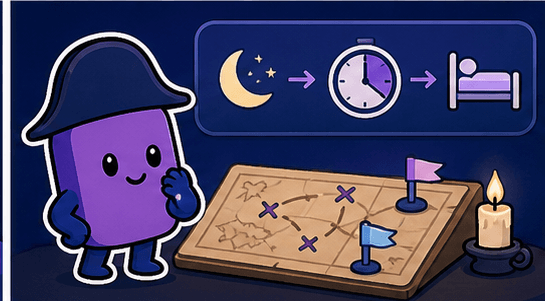
The Napoleon Sleep Method: The Truth About 4-Hour Sleep
Have you heard the story about Napoleon, the great conqueror, who exercised powerful leadership while sleeping only 4 hours a day? Is this sleep method really effective? And did Napoleon actually use this method?

Why Do We Dream So Often? The Science Behind Frequent Dreams
Why do we have vivid dreams on some nights while remembering nothing on others? Let's explore the science of dreams to understand why we dream and how we can enjoy more restful nights.
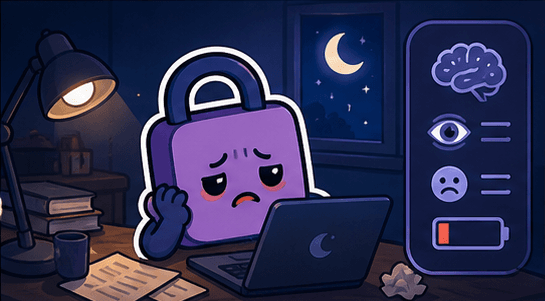
The Science of Pulling an All-Nighter: How 24 Hours Without Sleep Affects Your Body and Brain
Cramming for an exam, racing against a project deadline, or staying up all night with friends—we've all been there. But what actually happens to your body and brain when you go a full 24 hours without sleep? Let's explore the science behind all-nighters and learn how to handle them when they're truly unavoidable.

Melatonin Side Effects: What to Know About 5mg & 10mg Doses
Melatonin is a natural hormone and popular sleep aid that helps millions get better rest. However, different dosages can come with various side effects. Let's explore how melatonin works, what side effects to watch for at different doses, and how to use it safely.