Better Sleep: Smart Ways to Get Deep, Quality Rest
Getting quality sleep is essential for physical health, mental clarity, and overall well-being. Yet many people struggle to achieve truly restful sleep. This comprehensive guide explores scientifically-backed strategies to help you fall asleep faster, sleep more deeply, and wake up feeling refreshed.
Understanding Quality Sleep
Quality sleep isn't just about the number of hours you spend in bed—it's about how restorative those hours are. Deep sleep, also known as slow-wave sleep, is when your body repairs tissues, builds bone and muscle, and strengthens the immune system.
Research shows that adults need 7-9 hours of sleep per night, with at least 20-25% of that time spent in deep sleep stages. Without adequate deep sleep, you may feel tired even after a full night's rest.
Key Insight
Sleep quality matters more than quantity. Six hours of deep, uninterrupted sleep can be more restorative than nine hours of fragmented, light sleep.
The Science of Sleep Cycles
Understanding your sleep cycles can help you optimize your rest. Each complete cycle lasts about 90 minutes and includes several stages.
Stage 1 - Light Sleep
The transition between wakefulness and sleep. Your heartbeat and breathing slow down, and muscles begin to relax. This stage lasts only a few minutes.
Stage 2 - Light Sleep
Your body temperature drops, eye movement stops, and brain waves slow with occasional bursts of activity. This makes up about 50% of total sleep time.
Stage 3 - Deep Sleep
The most restorative stage where tissue repair occurs, growth hormone is released, and the immune system strengthens. It's hardest to wake from this stage.
REM Sleep
Rapid Eye Movement sleep is when most dreaming occurs. Brain activity increases, supporting memory consolidation and emotional processing.
Creating the Perfect Sleep Environment
Your bedroom environment significantly impacts sleep quality. Here's how to optimize your space for better rest.
Temperature Control
Keep your bedroom between 60-67°F (15-19°C). A cooler room promotes deeper sleep by helping your body's natural temperature drop.
Darkness Matters
Use blackout curtains or an eye mask. Even small amounts of light can disrupt melatonin production and reduce sleep quality.
Minimize Noise
Use earplugs, a white noise machine, or a fan to mask disruptive sounds. Consistent background noise can actually improve sleep.
Comfortable Bedding
Invest in a quality mattress and pillows that support your sleeping position. Replace pillows every 1-2 years and mattresses every 7-10 years.
Remove Electronics
Keep phones, tablets, and TVs out of the bedroom. The blue light and mental stimulation they provide can interfere with sleep.
Building a Bedtime Routine
A consistent pre-sleep routine signals to your body that it's time to wind down. Here's how to create an effective bedtime routine.
Set a Consistent Schedule
Go to bed and wake up at the same time every day, even on weekends. This regulates your internal clock.
Power Down Electronics
Stop using screens at least 1 hour before bed. Blue light suppresses melatonin and keeps your brain alert.
Practice Relaxation
Try gentle stretching, deep breathing, or meditation to calm your nervous system and prepare for sleep.
Take a Warm Bath
A warm bath 1-2 hours before bed raises then lowers body temperature, triggering sleepiness.
Avoid Stimulants
Stop caffeine by early afternoon and avoid alcohol close to bedtime—both disrupt sleep architecture.
Foods That Promote Better Sleep
What you eat can significantly affect your sleep quality. These foods contain nutrients that support healthy sleep.
Tart Cherries
One of the few natural sources of melatonin. Tart cherry juice can improve sleep duration and quality.
Fatty Fish
Salmon, mackerel, and sardines provide omega-3s and vitamin D, which regulate serotonin and improve sleep.
Nuts
Almonds and walnuts contain melatonin and magnesium, both of which promote muscle relaxation and sleep.
Kiwi
Rich in serotonin and antioxidants, eating kiwi before bed may help you fall asleep faster and sleep longer.
Warm Milk
Contains tryptophan and has a calming psychological effect that can help induce sleepiness.
Common Sleep Disruptors
Identifying and avoiding these common sleep disruptors can dramatically improve your rest.
Screen Time Before Bed
Blue light from devices suppresses melatonin by up to 50%. Use night mode or blue light blocking glasses if you must use screens.
Irregular Sleep Schedule
Varying bedtimes confuse your circadian rhythm. Even 1 hour of variance can affect sleep quality.
Caffeine and Alcohol
Caffeine has a half-life of 5-6 hours. Alcohol may help you fall asleep but fragments sleep cycles.
Stress and Anxiety
Racing thoughts keep the brain active. Practice journaling or breathing exercises to process worries before bed.
Late-Night Eating
Heavy meals close to bedtime force your digestive system to work when it should be resting.
Techniques for Falling Asleep Faster
If you struggle to fall asleep quickly, these proven techniques can help calm your mind and body.
4-7-8 Breathing
Inhale for 4 seconds, hold for 7 seconds, exhale for 8 seconds. This activates the parasympathetic nervous system.
Progressive Muscle Relaxation
Tense and release each muscle group from toes to head. This releases physical tension and promotes relaxation.
Military Sleep Method
Relax your face, drop your shoulders, relax your limbs, clear your mind, then imagine a calming scene.
Cognitive Shuffling
Think of random, unconnected words or images. This prevents anxious thoughts and bores the brain to sleep.
Start Sleeping Better Tonight
Quality sleep is within your reach. By implementing these strategies—optimizing your sleep environment, building a consistent routine, and addressing sleep disruptors—you can transform your nights and, consequently, your days.
Remember that improving sleep is a gradual process. Start with one or two changes and build from there. Your body and mind will thank you for prioritizing rest.
⚠️ Important Notice
This article is for informational purposes only and is not a substitute for professional medical advice, diagnosis, or treatment. If you suspect you have a sleep disorder or any health condition, please consult a doctor or sleep specialist.

Take the First Step to Better Sleep
Build healthy sleep habits with Good Night Lock.
Download Good Night LockRelated Articles
The Surprising Benefits of Sleep Socks: Why Warming Your Feet Helps You Sleep
Did you know that wearing socks to bed can help you fall asleep faster? While it may sound like an old wives' tale, there's actually solid scientific evidence behind this practice. Discover how sleep socks can improve your sleep quality and learn the proper way to use them.
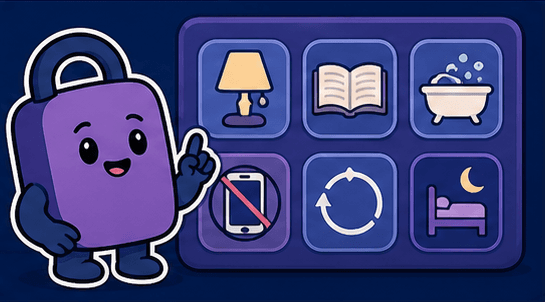
Can't Sleep? 4 Science-Backed Tips to Fall Asleep Fast
We've all experienced lying in bed, tossing and turning, unable to fall asleep. Trying to force sleep often makes it worse. Discover 4 scientifically proven methods to naturally fall asleep when you can't sleep.
Miracle Morning: Experience the Magic of Early Rising
The Miracle Morning is a life-transforming morning routine that has helped millions of people worldwide achieve greater success, happiness, and health. By waking up early and dedicating time to personal development, you can unlock your full potential and create lasting positive change in your life.
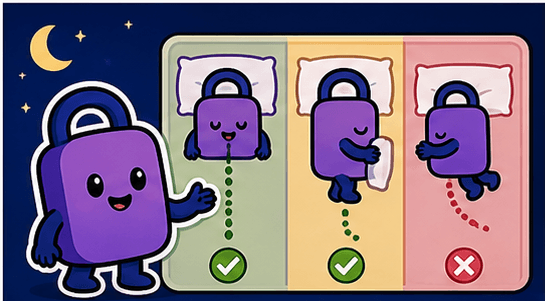
Check Your Sleep Position: Finding the Best Way to Sleep
Your sleep position affects more than just your comfort—it can impact your breathing, digestion, spine alignment, and even skin health. Many people sleep in the same position for years without realizing how it might be affecting their sleep quality. Let's examine different sleep positions and help you find the best one for your needs.

Gift Ideas for Students: Thoughtful Presents to Support Hard-Working Students
Students face intense pressure during exam periods, juggling long study hours with stress and sleep deprivation. A thoughtful gift can provide comfort, improve their well-being, and show your support during these challenging times. Here are the best gift ideas to help students stay healthy, focused, and encouraged.
Senior Year Syndrome: Rising Concerns About Students' Mental Health from Anxiety and Stress
The pressure of senior year can take a significant toll on students' mental and physical health. Known as 'senior year syndrome' or 'exam stress disorder,' this phenomenon is increasingly affecting high school seniors as academic pressure, college admissions stress, and future uncertainty converge. Understanding these challenges is the first step toward supporting students through this difficult period.