Binaural Beats and ASMR: The Ultimate Sleep Combination

What happens when you combine binaural beats with ASMR for sleep? Discover the scientific principles behind these two auditory stimuli, their synergistic effects, and how to create the perfect combination for optimal sleep.
What Are Binaural Beats?
Binaural beats are a third frequency perceived by the brain when two slightly different frequencies are played in each ear. For example, if 300Hz is played in the left ear and 304Hz in the right ear, the brain perceives a 4Hz difference tone.
This difference tone can induce brainwave entrainment, guiding the brain toward specific brainwave states. For sleep, delta (0.5-4Hz) or theta (4-8Hz) frequency binaural beats are commonly used.
How Binaural Beats Work
When different frequencies are delivered to each ear through headphones, the brain creates a beat at the frequency difference and tends to synchronize with it.
What Is ASMR?
ASMR (Autonomous Sensory Meridian Response) refers to the pleasant tingling sensation that spreads from the scalp down the spine, triggered by specific auditory or visual stimuli.
Trigger Types
Whispers, brushing sounds, typing, water sounds, and many other sounds can serve as ASMR triggers.
Psychological Effects
ASMR lowers stress hormones and promotes oxytocin release, inducing a deep state of relaxation.
Sleep Induction
ASMR calms the mind and reduces racing thoughts, helping facilitate natural sleep onset.
Synergy Effects When Used Together
Combining binaural beats and ASMR amplifies the benefits of each. ASMR induces relaxation at a conscious level, while binaural beats promote sleep states at the brainwave level.
- •ASMR's psychological relaxation + binaural beat brainwave entrainment
- •Faster sleep onset and deeper sleep maintenance
- •Maximized stress and anxiety relief
- •Thought blocking and improved focus
- •Natural, non-addictive sleep solution
Research suggests that using both together significantly reduces sleep latency (time to fall asleep) compared to using either alone.
How to Combine Effectively
Follow these guidelines for an effective combination of binaural beats and ASMR.
Frequency Selection
Use delta wave (1-4Hz) binaural beats for sleep induction. For relaxation, choose theta waves (4-8Hz).
ASMR Trigger Matching
Choose soft ASMR triggers that blend well with binaural beats, such as rain sounds, whispers, or nature sounds.
Volume Balance
Keep binaural beats as background audio and ASMR in the foreground for a natural listening experience.
Listening Duration
Start listening 30 minutes to 1 hour before bed, and set a timer to turn off automatically after falling asleep.
Precautions
Important things to know when using binaural beats and ASMR.
- •Binaural beats require stereo headphones or earphones to be effective
- •Those with a history of epilepsy should consult a doctor before using binaural beats
- •Do not use while driving or during tasks requiring concentration
- •Excessive volume can harm hearing, so maintain appropriate levels
- •Not everyone experiences ASMR effects
Creating the Optimal Listening Environment
Environment setup is crucial for maximizing binaural beat and ASMR effectiveness.
Adjust Lighting
Dim the lights before listening to promote melatonin secretion.
Comfortable Position
Wear headphones while lying down; use sleep band headphones if uncomfortable.
Regular Use
Listening at the same time daily creates a conditioned response for faster sleep.
Digital Detox
Use your smartphone only for audio playback, avoiding other apps.
Maintain Proper Temperature
Keep a cool room temperature of 65-68°F (18-20°C) optimal for sleep.
Scientific Research Findings
Studies on the sleep effects of binaural beats and ASMR continue to emerge.
- •2019 study: Binaural beats significantly improved sleep quality
- •2018 ASMR study: Confirmed reduced heart rate and increased positive emotions
- •2020 brainwave study: Delta wave binaural beats contributed to increased deep sleep stages
- •2021 combination study: Using both techniques effectively alleviated insomnia symptoms
Start Your New Sleep Routine
Binaural beats and ASMR are powerful tools for inducing natural sleep without medication. Properly combining the two can significantly improve sleep quality.
Start your new sleep routine with binaural beats and ASMR tonight. With consistent use, you can experience deeper, more restorative sleep.
⚠️ Important Notice
This article is for informational purposes only and is not a substitute for professional medical advice, diagnosis, or treatment. If you suspect you have a sleep disorder or any health condition, please consult a doctor or sleep specialist.

Take the First Step to Better Sleep
Build healthy sleep habits with Good Night Lock.
Download Good Night LockRelated Articles
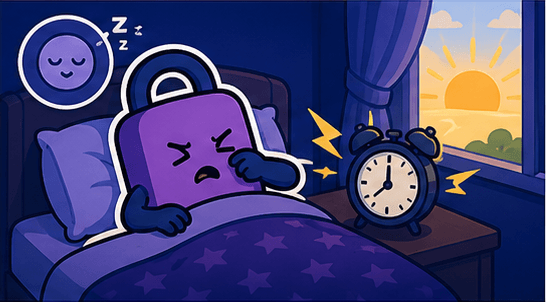
Why Is It So Hard to Wake Up in the Morning? Understanding Sleep Inertia
Do you find yourself hitting the snooze button multiple times every morning? Feel like you need an extra hour of sleep no matter how long you slept? You're experiencing sleep inertia - a fascinating phenomenon that affects millions of people worldwide.

Why Alcohol Disrupts Your Sleep (Even Though It Makes You Drowsy)
After a drink or two, you might feel relaxed and sleepy—perfect for bedtime, right? Not quite. While alcohol can make you drowsy initially, it actually sabotages your sleep quality in ways that leave you feeling tired the next day. Let's uncover the science behind alcohol's complex relationship with sleep.
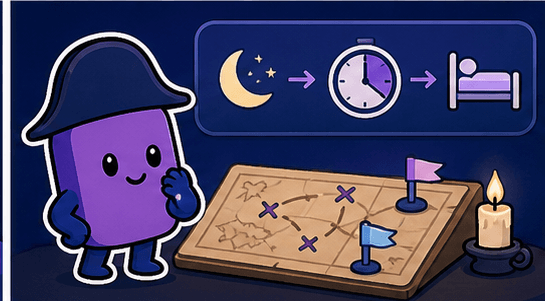
The Napoleon Sleep Method: The Truth About 4-Hour Sleep
Have you heard the story about Napoleon, the great conqueror, who exercised powerful leadership while sleeping only 4 hours a day? Is this sleep method really effective? And did Napoleon actually use this method?

Why Do We Dream So Often? The Science Behind Frequent Dreams
Why do we have vivid dreams on some nights while remembering nothing on others? Let's explore the science of dreams to understand why we dream and how we can enjoy more restful nights.
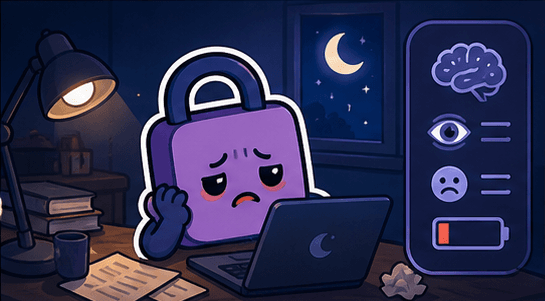
The Science of Pulling an All-Nighter: How 24 Hours Without Sleep Affects Your Body and Brain
Cramming for an exam, racing against a project deadline, or staying up all night with friends—we've all been there. But what actually happens to your body and brain when you go a full 24 hours without sleep? Let's explore the science behind all-nighters and learn how to handle them when they're truly unavoidable.

Melatonin Side Effects: What to Know About 5mg & 10mg Doses
Melatonin is a natural hormone and popular sleep aid that helps millions get better rest. However, different dosages can come with various side effects. Let's explore how melatonin works, what side effects to watch for at different doses, and how to use it safely.