Blackout Curtains for Better Sleep: Complete Guide to Choosing and Using
Light is one of the biggest disruptors of quality sleep. Even small amounts of light can interfere with melatonin production and disrupt your circadian rhythm. Blackout curtains offer a simple yet effective solution to create the dark environment your body needs for optimal rest. Here's everything you need to know about choosing and using blackout curtains for better sleep.
Why Darkness Matters for Sleep
Your body is designed to sleep in darkness. Understanding the science behind this can help you appreciate why blackout curtains are such an effective sleep tool.
Melatonin Production
Light exposure suppresses melatonin, the hormone that signals your body it's time to sleep. Even dim light can reduce melatonin levels by up to 50%
Circadian Rhythm
Your internal clock uses light cues to regulate sleep-wake cycles. Artificial light at night confuses this system
Sleep Quality
Studies show people sleeping in darker rooms experience more deep sleep and fewer nighttime awakenings
Eye Sensitivity
Your eyes can detect light even when closed, sending wake signals to your brain throughout the night
Types of Blackout Curtains
Not all blackout curtains are created equal. Understanding the different types helps you choose the right one for your needs.
Coated Fabric Curtains
Feature a light-blocking coating on the back. Most affordable option, blocks 85-99% of light
Woven Blackout Curtains
Made with tightly woven fabric that naturally blocks light. More breathable and often more durable
Triple-Weave Curtains
Three layers woven together for maximum light blocking. Best for complete darkness
Thermal Blackout Curtains
Combine light blocking with insulation. Help regulate room temperature for better sleep
How to Choose the Right Blackout Curtains
Several factors determine how effective your blackout curtains will be at improving your sleep.
Size and Coverage
Curtains should be wider than your window (at least 6 inches on each side) and extend from ceiling to floor for maximum light blocking
Light Blocking Rating
Look for curtains rated to block at least 95% of light. True blackout should block 99-100%
Color Choice
Darker colors generally block more light, but the liner quality matters more than the facing color
Installation Method
Consider wraparound rods or tracks that prevent light from entering around the edges
Maximizing Blackout Effectiveness
Even the best blackout curtains won't work perfectly if not installed and used correctly.
Eliminate Light Gaps
Use wraparound rods, overlap curtains in the center, and ensure curtains extend beyond window frames
Seal the Top
Install a valance or mount curtains close to the ceiling to prevent light from entering above
Layer with Blinds
Combine blackout curtains with blinds or shades for extra light control
Check for Light Leaks
At night, turn off all lights and look for any areas where outside light enters
Benefits Beyond Better Sleep
Blackout curtains offer several advantages beyond just blocking light for sleep.
Energy Savings
Thermal blackout curtains can reduce heat transfer by up to 25%, lowering energy costs
Noise Reduction
The thick fabric can dampen outside noise, especially from traffic
Shift Worker Friendly
Essential for those who need to sleep during daytime hours
Protect Furniture
Block UV rays that can fade furniture, carpets, and artwork
Blackout Curtain Tips
- •Measure your window width and add at least 12 inches total for proper coverage
- •Choose curtains long enough to reach the floor or create a slight puddle
- •Wash new curtains before hanging to remove any chemical odors
- •Consider a sleep mask as a backup for any remaining light leaks
- •Use smart plugs or timers to gradually let in morning light for easier waking
Considerations to Keep in Mind
- •Complete darkness can make waking up harder - consider sunrise alarm clocks
- •Children may need some light for safety - use dim nightlights if necessary
- •Ensure proper ventilation as heavy curtains can trap air
- •Some blackout curtains may have chemical odors initially - air them out first
- •Very dark rooms may worsen seasonal depression for some people
Creating Your Dark Sleep Sanctuary
Investing in quality blackout curtains is one of the most effective and affordable ways to improve your sleep environment. The darkness they provide helps your body produce melatonin naturally, leading to faster sleep onset and better sleep quality.
Remember that the goal is to create an environment that supports your body's natural sleep processes. Combined with good sleep hygiene practices, blackout curtains can significantly improve your rest and overall health.
⚠️ Important Notice
This article is for informational purposes only and is not a substitute for professional medical advice, diagnosis, or treatment. If you suspect you have a sleep disorder or any health condition, please consult a doctor or sleep specialist.

Take the First Step to Better Sleep
Build healthy sleep habits with Good Night Lock.
Download Good Night LockRelated Articles
Optimal Sleep Temperature: The Science-Backed Guide to Better Sleep
Tossing and turning all night? Kicking off covers, then pulling them back on? Your bedroom temperature might be the problem. Sleep scientists recommend an optimal sleep temperature of 15-19°C (60-67°F). Discover why temperature matters so much for sleep and how to create the perfect sleep environment.
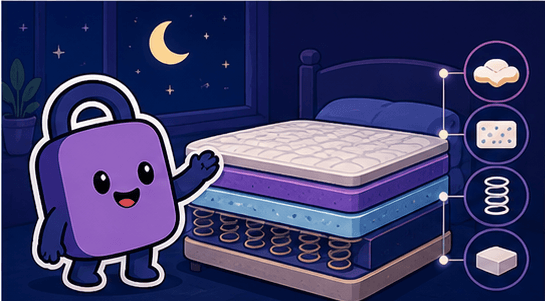
Mattress Guide: The Science Behind Your Bed
Have you heard that choosing a bed is a science? In reality, your mattress significantly impacts sleep quality. Let's explore scientifically why the right mattress matters and which type suits you best.
Dust Mites in Your Bedding? Allergy Symptoms and Proper Washing Methods
Did you know that dust mites hiding in your bedding could be affecting your sleep quality? These invisible creatures can trigger allergic reactions, causing nasal congestion, sneezing, and itching that disrupt your rest. Learn about dust mites and discover effective management strategies.
Body Pillow Guide: Benefits and How to Use One
A body pillow is a long pillow designed to support your entire body, particularly popular among side sleepers. From pregnant women to those with back pain, many people use body pillows. Learn about the correct usage and benefits of body pillows for better sleep.
Mood Lighting and Sleep: How Light Color Affects Your Circadian Rhythm
The color temperature and intensity of light in your environment significantly impacts your sleep quality. While mood lighting can create ambiance, certain colors and brightness levels can either promote or prevent good sleep. Understanding the science of light and sleep helps you optimize your environment for rest.
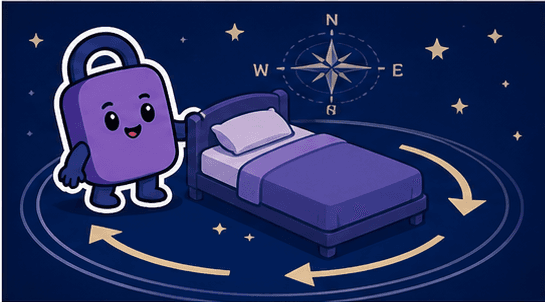
Does Bed Direction Affect Sleep? Science Meets Ancient Wisdom
Should your bed face north, south, east, or west? Ancient traditions from Feng Shui to Vastu Shastra claim bed direction profoundly impacts sleep quality and health. But what does modern science say? The answer is more nuanced than you might expect—and practical considerations matter far more than magnetic fields.