Blood Sugar Spikes and Sleep Quality: The Hidden Connection
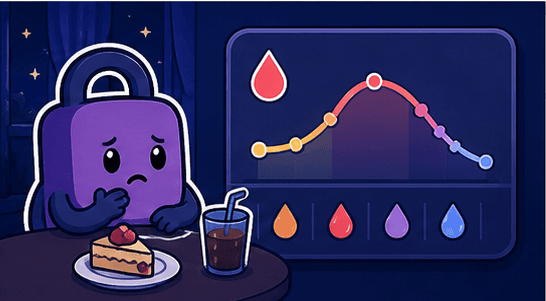
Blood sugar fluctuations don't just affect your energy levels—they significantly impact your sleep quality. Understanding the relationship between glucose levels and sleep can help you make dietary choices that promote restful nights and energized mornings.
How Blood Sugar Affects Sleep
When you eat foods high in refined carbohydrates or sugar, your blood glucose spikes rapidly. This triggers a cascade of hormonal responses that can disrupt your sleep in multiple ways.
The Spike-and-Crash Cycle
High blood sugar causes insulin release. When insulin drives blood sugar down too quickly, it can drop to hypoglycemic levels, triggering cortisol and adrenaline release. This often happens 2-4 hours after eating, disrupting sleep if it occurs at night.
Increased Urination
High blood sugar causes your kidneys to work harder, leading to frequent urination (nocturia). This disrupts sleep continuity and prevents deep, restorative sleep stages.
Inflammation and Oxidative Stress
Blood sugar spikes increase inflammatory markers and oxidative stress, which interfere with normal sleep architecture and reduce sleep quality.
Hormonal Disruption
Unstable blood sugar affects melatonin production and disrupts the circadian rhythm, making it harder to fall asleep and stay asleep.
Foods That Spike Blood Sugar Before Bed
Avoid these foods in the evening to prevent blood sugar disruptions:
- ✗White bread, pasta, and refined grains
- ✗Sugary desserts and pastries
- ✗Sweetened beverages and fruit juices
- ✗High-sugar fruits eaten alone (watermelon, pineapple, mango)
- ✗Breakfast cereals with added sugar
- ✗Candy, cookies, and processed snacks
These foods cause rapid glucose elevation followed by crashes, potentially waking you in the middle of the night with hunger, anxiety, or night sweats.
Blood-Sugar-Stable Evening Meals
Choose meals that provide steady energy without spikes:
Protein + Healthy Fats + Fiber
Grilled chicken with quinoa and roasted vegetables drizzled with olive oil
Balanced Plate Method
Half plate non-starchy vegetables, quarter plate lean protein, quarter plate complex carbs
Smart Evening Snacks
Greek yogurt with berries and almonds, or apple slices with almond butter
Key Principle
Always pair carbohydrates with protein or healthy fats to slow glucose absorption and prevent spikes.
Timing Your Meals for Better Sleep
- 1.Eat dinner 2-3 hours before bedtime to allow digestion
- 2.Avoid large meals within 2 hours of sleep—they elevate blood sugar and body temperature
- 3.If you need an evening snack, choose low-glycemic options with protein
- 4.Don't skip dinner—going to bed too hungry can cause blood sugar drops overnight
- 5.Eat breakfast within 1 hour of waking to stabilize morning blood sugar and set your metabolic rhythm
The Diabetes-Sleep Connection
For people with diabetes or prediabetes, blood sugar management is even more critical for sleep:
- •Monitor blood glucose before bed (target: 100-140 mg/dL for most people with diabetes)
- •Work with your doctor to adjust medication timing if experiencing nocturnal hypoglycemia
- •Use a continuous glucose monitor (CGM) to identify patterns affecting your sleep
- •Poor sleep worsens insulin resistance, creating a vicious cycle—prioritize both sleep and glucose control
Studies show that people with uncontrolled diabetes experience 2-3 times more sleep disturbances than those with stable blood sugar.
Lifestyle Strategies for Stable Blood Sugar
- ✓Exercise regularly: Physical activity improves insulin sensitivity and glucose uptake
- ✓Manage stress: Cortisol raises blood sugar—practice relaxation techniques
- ✓Stay hydrated: Dehydration concentrates blood sugar
- ✓Get morning sunlight: Helps regulate both circadian rhythm and glucose metabolism
- ✓Prioritize sleep: Aim for 7-9 hours—sleep deprivation worsens insulin resistance
- ✓Consider supplements: Magnesium, chromium, and alpha-lipoic acid may help (consult your doctor first)
Take Control of Your Blood Sugar and Sleep
The relationship between blood sugar and sleep is bidirectional: poor blood sugar control disrupts sleep, and poor sleep worsens blood sugar control. Breaking this cycle requires attention to both your diet and sleep habits.
Start by making one change tonight: choose a balanced dinner with protein, healthy fats, and fiber. Avoid sugary snacks after 7 PM. Track how you feel in the morning. Small dietary adjustments can yield significant improvements in sleep quality within just a few days.
If you consistently struggle with sleep despite dietary changes, or if you suspect blood sugar issues, consult a healthcare provider. Proper diagnosis and management can dramatically improve both your metabolic health and sleep quality.
⚠️ Important Notice
This article is for informational purposes only and is not a substitute for professional medical advice, diagnosis, or treatment. If you suspect you have a sleep disorder or any health condition, please consult a doctor or sleep specialist.

Take the First Step to Better Sleep
Build healthy sleep habits with Good Night Lock.
Download Good Night LockRelated Articles
Immunity-Boosting Foods That Also Improve Sleep Quality
Strong immunity and quality sleep are deeply interconnected. Certain foods can simultaneously boost your immune system and improve sleep quality. Discover the science-backed foods that serve both purposes and how to incorporate them into your diet.
Tryptophan-Rich Foods for Better Sleep: Science-Based Guide
Tryptophan is an essential amino acid that plays a crucial role in sleep quality. Your body uses it to produce serotonin and melatonin, the hormones that regulate your sleep-wake cycle. Discover which foods are richest in tryptophan and how to incorporate them into your diet for better sleep.