Coffee Before Bed: Caffeine's Hidden Impact on Your Sleep (Even 6 Hours Earlier)
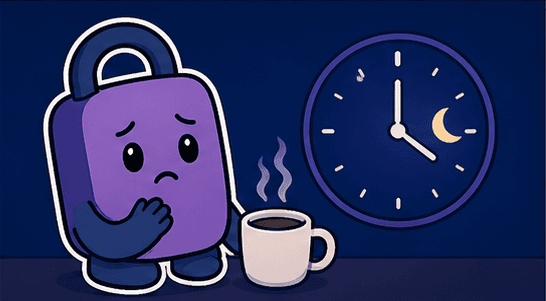
That afternoon coffee seems harmless, right? Wrong. Science shows caffeine stays in your system far longer than you think—and even a single cup can wreck your sleep quality without you realizing it.
How Long Does Caffeine Actually Last?
Caffeine has a half-life of 5-6 hours. This means if you drink a cup of coffee with 200mg of caffeine at 2 PM, you still have 100mg in your system at 8 PM—equivalent to half a cup of coffee right before bed.
But here's the shocking part: even after 12 hours, about 25% of that caffeine remains. That morning coffee? Still affecting you at bedtime.
Critical Finding:
A 2013 study in the Journal of Clinical Sleep Medicine found that caffeine consumed even 6 hours before bedtime reduced total sleep time by more than 1 hour—yet participants didn't perceive any difference in sleep quality.
This is dangerous: you think you're sleeping fine, but your sleep architecture is being disrupted at a level you can't consciously detect.
What Caffeine Does to Your Sleep
Blocks Adenosine Receptors
Adenosine builds up throughout the day, making you sleepy. Caffeine blocks these receptors, preventing you from feeling tired—but the adenosine debt remains.
Reduces Deep Sleep
Even if you fall asleep, caffeine significantly reduces slow-wave sleep (deep sleep), the most restorative sleep stage. You wake up feeling unrested despite "sleeping 8 hours."
Delays Your Circadian Rhythm
Evening caffeine can delay your body clock by up to 40 minutes, making it harder to wake up on time the next morning.
Increases Sleep Fragmentation
You may wake up more during the night without remembering, leading to poor sleep consolidation.
How Much Caffeine Is Too Much?
The FDA recommends no more than 400mg of caffeine per day for healthy adults. But for sleep purposes, the timing matters more than the amount.
Common Caffeine Sources:
Notice that even "decaf" contains some caffeine. If you're extremely sensitive, even this small amount can affect you.
The Decaf Myth
"Decaffeinated" doesn't mean caffeine-free. FDA regulations only require 97% of caffeine to be removed. A typical decaf coffee still contains 2-15mg of caffeine per cup.
For most people this is negligible, but if you're highly sensitive to caffeine or drink multiple cups of decaf in the evening, it can add up to significant amounts.
Reality Check:
Three evening decaf coffees could give you 30-45mg of caffeine—roughly equivalent to one cup of green tea. Not insignificant for sensitive individuals.
Caffeine Sensitivity: Why Some People Are More Affected
Caffeine sensitivity is largely genetic. The CYP1A2 gene determines how fast you metabolize caffeine. "Fast metabolizers" can drink coffee in the afternoon without issues, while "slow metabolizers" feel effects for 8-10 hours.
Additionally, regular caffeine consumers build tolerance, meaning they need more to feel the effects—but the sleep disruption continues even when you don't feel "wired."
Age also matters: as you get older, you metabolize caffeine more slowly. That afternoon coffee you tolerated in your 20s might wreck your sleep in your 40s.
Sleep-Safe Caffeine Guidelines
Set a Caffeine Curfew
Stop all caffeine consumption at least 8-10 hours before bedtime. If you go to bed at 10 PM, your last coffee should be before 12-2 PM.
Track Your Total Intake
Count all sources: coffee, tea, chocolate, energy drinks, pre-workout supplements, and some medications contain caffeine.
Front-Load Your Caffeine
Have your coffee in the morning when cortisol levels naturally drop (9:30-11 AM), not immediately upon waking.
Switch to Lower-Caffeine Options
After noon, switch to green tea (28mg) or white tea (15mg) instead of coffee (150-200mg).
Hydrate Heavily
Drinking water helps flush caffeine from your system faster. Aim for 2-3x more water than caffeine beverages.
Test Your Sensitivity
Try going completely caffeine-free for 2 weeks and track sleep quality. The difference might shock you.
Breaking the Caffeine-Sleep Cycle
Many people are trapped: poor sleep leads to more caffeine, which causes worse sleep, which leads to even more caffeine. Breaking this cycle requires temporary discomfort.
What to Expect When Quitting/Reducing:
The key is to taper gradually—reduce by 25% every 3-4 days rather than quitting cold turkey. Replace with decaf or herbal tea to maintain the ritual.
The Bottom Line
Caffeine is the world's most popular drug for a reason—it works. But it's also the most underestimated sleep disruptor. The effects are invisible: you don't feel worse, but your sleep architecture is measurably impaired.
If you're struggling with sleep quality despite "doing everything right," look at your caffeine timing and total intake. For many people, simply moving their last coffee earlier in the day transforms their sleep.
You don't have to quit coffee entirely—just respect its power and time it strategically. Your future well-rested self will thank you.
⚠️ Important Notice
This article is for informational purposes only and is not a substitute for professional medical advice, diagnosis, or treatment. If you suspect you have a sleep disorder or any health condition, please consult a doctor or sleep specialist.

Take the First Step to Better Sleep
Build healthy sleep habits with Good Night Lock.
Download Good Night LockRelated Articles
Why Is It So Hard to Wake Up in the Morning? Understanding Sleep Inertia
Do you find yourself hitting the snooze button multiple times every morning? Feel like you need an extra hour of sleep no matter how long you slept? You're experiencing sleep inertia - a fascinating phenomenon that affects millions of people worldwide.
Why Alcohol Disrupts Your Sleep (Even Though It Makes You Drowsy)
After a drink or two, you might feel relaxed and sleepy—perfect for bedtime, right? Not quite. While alcohol can make you drowsy initially, it actually sabotages your sleep quality in ways that leave you feeling tired the next day. Let's uncover the science behind alcohol's complex relationship with sleep.
The Napoleon Sleep Method: The Truth About 4-Hour Sleep
Have you heard the story about Napoleon, the great conqueror, who exercised powerful leadership while sleeping only 4 hours a day? Is this sleep method really effective? And did Napoleon actually use this method?
Why Do We Dream So Often? The Science Behind Frequent Dreams
Why do we have vivid dreams on some nights while remembering nothing on others? Let's explore the science of dreams to understand why we dream and how we can enjoy more restful nights.
The Science of Pulling an All-Nighter: How 24 Hours Without Sleep Affects Your Body and Brain
Cramming for an exam, racing against a project deadline, or staying up all night with friends—we've all been there. But what actually happens to your body and brain when you go a full 24 hours without sleep? Let's explore the science behind all-nighters and learn how to handle them when they're truly unavoidable.
Melatonin Side Effects: What to Know About 5mg & 10mg Doses
Melatonin is a natural hormone and popular sleep aid that helps millions get better rest. However, different dosages can come with various side effects. Let's explore how melatonin works, what side effects to watch for at different doses, and how to use it safely.