Can't Sleep? 4 Science-Backed Tips to Fall Asleep Fast
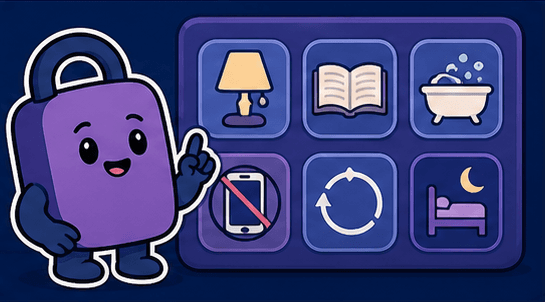
We've all experienced lying in bed, tossing and turning, unable to fall asleep. Trying to force sleep often makes it worse. Discover 4 scientifically proven methods to naturally fall asleep when you can't sleep.
Get Out of Bed (15-Minute Rule)
If you can't fall asleep after 15-20 minutes, get out of bed. Tossing and turning in bed trains your brain to associate 'bed = insomnia,' which can lead to chronic sleep problems.
Leave the bed and go to a quiet, dim area. Read a book or do light stretching until you feel sleepy. When drowsiness comes, return to bed.
Stimulus Control Therapy
This method is a core technique of Cognitive Behavioral Therapy for Insomnia (CBT-I), retraining your brain to associate the bed only with sleep.
Paradoxical Intention Technique
Instead of trying to sleep, try to stay awake. This paradoxical approach reduces sleep anxiety.
Eliminate Sleep Anxiety
The pressure of 'I must sleep' keeps you in an alert state. Deciding to stay awake removes this pressure.
Induce Relaxation Response
When you stop trying to sleep, your body and mind naturally relax, and drowsiness arrives.
How to Practice
Lie down with eyes closed and tell yourself 'I will definitely not sleep.' Ironically, sleep soon follows.
4-7-8 Breathing Technique
The 4-7-8 breathing technique is a powerful method that activates the parasympathetic nervous system, putting your body in a relaxed state.
- •Inhale through your nose for 4 seconds
- •Hold your breath for 7 seconds
- •Exhale slowly through your mouth for 8 seconds
- •Repeat this cycle 4 times
- •Relaxation effects appear within 2-3 minutes
Developed by Dr. Andrew Weil, this breathing technique lowers stress hormones and reduces heart rate, making it effective for rapid sleep induction.
Cognitive Shuffling Technique
This method involves visualizing random images to distract your thoughts. It's highly effective at blocking worries and racing thoughts.
Choose a Word
Pick a simple word (e.g., 'SLEEP') and randomly think of objects starting with each letter.
Visualize Images
S-Sunflower, L-Ladder, E-Elephant... Visualize unrelated objects in no particular order.
Block Analysis
Random images disrupt logical thinking and break the worry cycle.
Natural Sleep Transition
When the brain focuses on random images, it naturally transitions into a dream-like state.
What NOT to Do
These are behaviors to avoid when you can't sleep. They make the situation worse.
- •Watching the clock and calculating remaining sleep time - only increases anxiety
- •Checking your smartphone - blue light suppresses melatonin production
- •Working or watching TV in bed - makes the bed an activity zone
- •Drinking alcohol - makes you drowsy initially but reduces sleep quality
- •Compensating with naps - further disrupts nighttime sleep rhythm
Check Your Environment
Simply checking your sleep environment can significantly improve sleep quality.
Check Temperature
The optimal sleep temperature is 65-68°F (18-20°C). It's hard to fall asleep if too hot or cold.
Block Light
Even small LED lights can disrupt sleep. Use blackout curtains or a sleep mask.
Manage Noise
If sudden noises are problematic, use white noise or earplugs.
Check Bedding
Make sure your pillow and mattress are comfortable. Old bedding reduces sleep quality.
Remove Electronics
Keep your smartphone outside the bedroom or out of reach.
Signs of Chronic Insomnia
Occasional sleeplessness is normal, but seek professional help if these symptoms persist.
- •Sleep problems occurring 3+ times per week for 3+ months
- •Severe daytime fatigue and concentration difficulties
- •Sleep problems interfering with daily life
- •Accompanying anxiety or depression symptoms
Try This Tonight
Trying to force sleep when you can't sleep backfires. Choose one of the 4 techniques above that suits you and try it tonight.
Most temporary insomnia can be resolved with the right approach. However, if problems persist, consulting a sleep specialist is recommended.
⚠️ Important Notice
This article is for informational purposes only and is not a substitute for professional medical advice, diagnosis, or treatment. If you suspect you have a sleep disorder or any health condition, please consult a doctor or sleep specialist.

Take the First Step to Better Sleep
Build healthy sleep habits with Good Night Lock.
Download Good Night LockRelated Articles
The Surprising Benefits of Sleep Socks: Why Warming Your Feet Helps You Sleep
Did you know that wearing socks to bed can help you fall asleep faster? While it may sound like an old wives' tale, there's actually solid scientific evidence behind this practice. Discover how sleep socks can improve your sleep quality and learn the proper way to use them.
Miracle Morning: Experience the Magic of Early Rising
The Miracle Morning is a life-transforming morning routine that has helped millions of people worldwide achieve greater success, happiness, and health. By waking up early and dedicating time to personal development, you can unlock your full potential and create lasting positive change in your life.
Better Sleep: Smart Ways to Get Deep, Quality Rest
Getting quality sleep is essential for physical health, mental clarity, and overall well-being. Yet many people struggle to achieve truly restful sleep. This comprehensive guide explores scientifically-backed strategies to help you fall asleep faster, sleep more deeply, and wake up feeling refreshed.
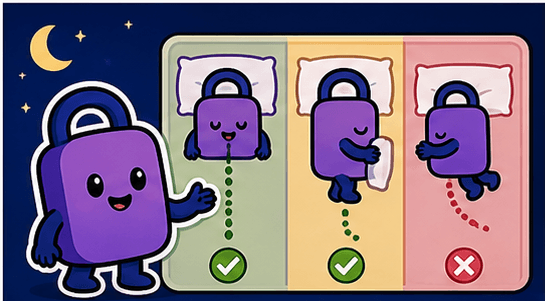
Check Your Sleep Position: Finding the Best Way to Sleep
Your sleep position affects more than just your comfort—it can impact your breathing, digestion, spine alignment, and even skin health. Many people sleep in the same position for years without realizing how it might be affecting their sleep quality. Let's examine different sleep positions and help you find the best one for your needs.
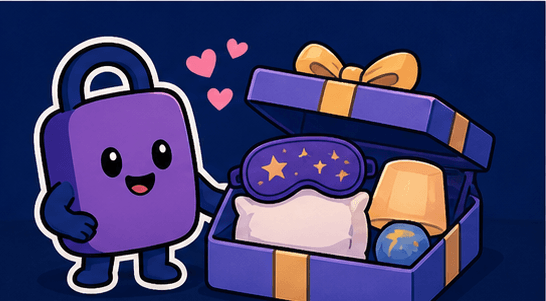
Gift Ideas for Students: Thoughtful Presents to Support Hard-Working Students
Students face intense pressure during exam periods, juggling long study hours with stress and sleep deprivation. A thoughtful gift can provide comfort, improve their well-being, and show your support during these challenging times. Here are the best gift ideas to help students stay healthy, focused, and encouraged.
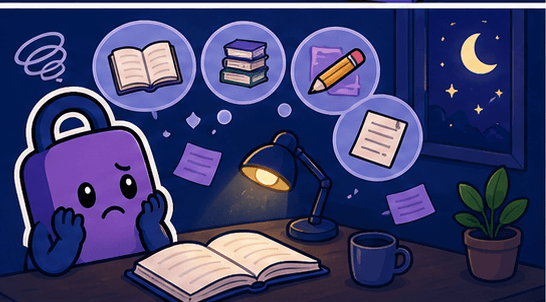
Senior Year Syndrome: Rising Concerns About Students' Mental Health from Anxiety and Stress
The pressure of senior year can take a significant toll on students' mental and physical health. Known as 'senior year syndrome' or 'exam stress disorder,' this phenomenon is increasingly affecting high school seniors as academic pressure, college admissions stress, and future uncertainty converge. Understanding these challenges is the first step toward supporting students through this difficult period.