Cataplexy: Understanding Sudden Muscle Weakness in Narcolepsy
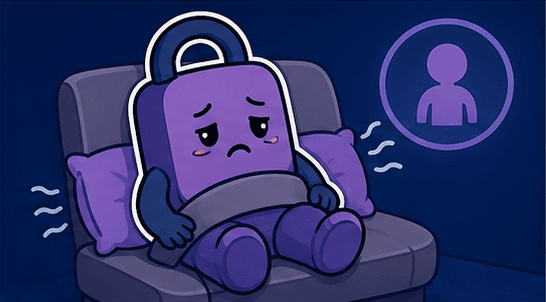
Cataplexy is a sudden, temporary loss of muscle control triggered by strong emotions. It's one of the most distinctive symptoms of narcolepsy and can be frightening for both patients and observers. Understanding cataplexy is crucial for proper diagnosis, treatment, and management.
What Is Cataplexy?
Cataplexy is a sudden and temporary loss of voluntary muscle tone, triggered by strong emotions—typically laughter, surprise, anger, or excitement. Episodes can range from barely noticeable facial sagging to complete body collapse.
Importantly, people experiencing cataplexy remain fully conscious. They're aware of their surroundings and can remember the episode afterward—unlike fainting or seizures.
Cataplexy affects approximately 70% of people with narcolepsy type 1, making it a defining feature of the condition. It's extremely rare in other disorders.
Key Characteristic
Cataplexy is triggered by strong emotions, happens suddenly, involves muscle weakness (not pain or stiffness), and the person remains fully conscious throughout.
Symptoms and Severity
Cataplexy symptoms vary widely in severity and presentation:
Mild Cataplexy
Brief, partial muscle weakness: drooping eyelids, jaw slackening, slight buckling of knees, head dropping forward, slurred speech, facial twitching
Moderate Cataplexy
More obvious weakness: dropping objects, significant knee buckling requiring support, difficulty speaking clearly, noticeable facial drooping
Severe Cataplexy
Complete or near-complete muscle paralysis: total body collapse, inability to speak or move, falling to the ground (though rarely causing injury as muscles relax gradually)
Episode Duration
Most cataplexy episodes last seconds to a couple of minutes. Rarely, episodes can last up to 30 minutes. Consciousness and breathing remain normal throughout.
Common Triggers
Cataplexy is uniquely triggered by strong emotions. The most common triggers are:
- •Laughter (most common trigger—especially genuine, hearty laughter)
- •Surprise or being startled
- •Excitement or elation
- •Anger or frustration
- •Stress or anxiety
- •Anticipation (e.g., before a sporting event)
Triggers are highly individual. Some people only experience cataplexy with intense laughter, while others are affected by multiple emotions. Understanding your personal triggers is key to management.
Interestingly, fake or forced laughter doesn't typically trigger cataplexy—only genuine, spontaneous emotion does. This suggests the involvement of specific brain pathways.
The Science Behind Cataplexy
Cataplexy is caused by a deficiency of hypocretin (also called orexin), a neurotransmitter in the brain that regulates wakefulness and muscle tone during REM sleep.
In narcolepsy type 1, immune system dysfunction destroys hypocretin-producing neurons in the hypothalamus. This loss causes two main problems:
Sleep-Wake Disruption
Without hypocretin, the brain can't maintain stable wakefulness, leading to excessive daytime sleepiness and sudden sleep attacks.
REM Sleep Intrusion
The muscle atonia (paralysis) that normally occurs only during REM sleep intrudes into wakefulness. When triggered by emotion, this REM atonia manifests as cataplexy.
This explains why cataplexy resembles the muscle paralysis of REM sleep—it's essentially REM sleep phenomena occurring while awake.
Diagnosis
Diagnosing cataplexy involves several steps:
Clinical History
Detailed description of episodes, triggers, and symptoms. Cataplexy triggered by emotions in someone with excessive daytime sleepiness strongly suggests narcolepsy.
Polysomnography (Sleep Study)
Overnight sleep study to rule out other sleep disorders and assess sleep architecture.
Multiple Sleep Latency Test (MSLT)
Daytime nap study measuring how quickly you fall asleep and whether you enter REM sleep abnormally quickly.
Hypocretin Measurement
Cerebrospinal fluid analysis via spinal tap can measure hypocretin levels. Low or absent hypocretin confirms narcolepsy type 1.
It's crucial to differentiate cataplexy from seizures, syncope (fainting), or psychological conditions. A sleep medicine specialist is essential for accurate diagnosis.
Cataplexy vs. Similar Conditions
Cataplexy vs. Seizures
Cataplexy: triggered by emotion, consciousness maintained, no confusion afterward. Seizures: often no trigger, altered consciousness, post-ictal confusion.
Cataplexy vs. Fainting (Syncope)
Cataplexy: full consciousness maintained, breathing normal, specific emotion triggers. Fainting: loss of consciousness, triggered by different factors (low blood pressure, etc.).
Cataplexy vs. Drop Attacks
Cataplexy: emotion-triggered, gradual muscle weakening. Drop attacks: sudden falls without warning, no emotion trigger, often vascular cause.
Treatment Options
While there's no cure for cataplexy, several treatments can significantly reduce episode frequency and severity:
Sodium Oxybate (Xyrem/Xywav)
Most effective treatment for cataplexy. Taken at night, it improves nighttime sleep quality and dramatically reduces daytime cataplexy. Can reduce episodes by 80-90% in many patients.
Selective Serotonin Reuptake Inhibitors (SSRIs)
Antidepressants like fluoxetine can suppress REM sleep and reduce cataplexy. Less effective than sodium oxybate but useful for some patients.
Serotonin-Norepinephrine Reuptake Inhibitors (SNRIs)
Medications like venlafaxine can help control cataplexy by modulating neurotransmitters involved in REM sleep regulation.
Pitolisant
A newer medication that enhances histamine neurotransmission, helping with both sleepiness and cataplexy. Less sedating than some alternatives.
Treatment choice depends on symptom severity, other narcolepsy symptoms, side effect profile, and individual response. Work closely with a sleep specialist to find the right approach.
Living with Cataplexy: Practical Strategies
Identify and Manage Triggers
Keep a diary of episodes and triggers. Once you know what provokes cataplexy, you can sometimes anticipate and prepare for situations. This doesn't mean avoiding all emotion—that's neither possible nor healthy—but awareness helps.
Develop Safety Habits
If you feel an episode coming, immediately sit or lean against something. Keep living spaces free of sharp objects at potential fall heights. Use caution with stairs.
Educate Your Support System
Teach family, friends, and coworkers about cataplexy. Explain that you're conscious during episodes and just need a moment to recover. Reducing their panic reduces yours.
Optimize Sleep Hygiene
Better nighttime sleep can reduce daytime symptom severity. Stick to a consistent sleep schedule, create a dark/cool sleep environment, and follow your treatment plan.
Consider Lifestyle Modifications
Some patients find scheduled daytime naps helpful. Avoid alcohol and certain medications that worsen cataplexy. Maintain a healthy weight.
Join Support Groups
Connecting with others who have narcolepsy and cataplexy provides emotional support, practical tips, and reduces feelings of isolation.
Impact on Quality of Life
Cataplexy can significantly affect daily life, relationships, and mental health:
- •Social avoidance: Some people avoid situations that trigger strong emotions (parties, comedy shows, emotional conversations)
- •Emotional suppression: Deliberately dampening emotions to prevent attacks, which can lead to feeling emotionally disconnected
- •Safety concerns: Fear of falling or collapsing in dangerous situations (driving, near water, on stairs)
- •Relationship strain: Partners and family may not understand the condition, leading to frustration or fear
- •Employment challenges: Difficulty in jobs requiring constant alertness or physical activity
Mental health support is crucial. Many people with cataplexy experience depression or anxiety—partly due to the condition itself and partly from its social impact.
With proper treatment and support, most people with cataplexy can lead full, active lives. The key is finding the right medical management and developing effective coping strategies.
When to Seek Help
Consult a sleep specialist if you experience:
- •Sudden muscle weakness triggered by emotions, especially laughter
- •Episodes of feeling like your knees will give out when surprised or excited
- •Excessive daytime sleepiness combined with emotion-triggered weakness
- •Any sudden loss of muscle control that you can't explain
Early diagnosis and treatment are important. Left untreated, narcolepsy and cataplexy can worsen quality of life, increase accident risk, and lead to secondary mental health issues.
If you've been diagnosed with cataplexy but your current treatment isn't effective, talk to your doctor about adjusting medications or trying new approaches. Effective treatments exist, and you shouldn't have to live with frequent, debilitating episodes.
Living Well with Cataplexy
Cataplexy is a challenging symptom of narcolepsy type 1, but it's manageable with the right treatment and strategies. Modern medications can dramatically reduce episode frequency, and many people achieve excellent control.
Understanding your triggers, working closely with a sleep specialist, maintaining good sleep hygiene, and educating those around you are all crucial components of living well with cataplexy.
You don't have to suppress your emotions or avoid joy to manage this condition. With proper treatment, most people find a balance that allows them to live fully while managing symptoms effectively. If you're struggling, reach out to a sleep medicine specialist—help is available, and improvement is possible.
⚠️ Important Notice
This article is for informational purposes only and is not a substitute for professional medical advice, diagnosis, or treatment. If you suspect you have a sleep disorder or any health condition, please consult a doctor or sleep specialist.

Take the First Step to Better Sleep
Build healthy sleep habits with Good Night Lock.
Download Good Night LockRelated Articles
The Complete Guide to Insomnia: Causes, Symptoms, and Scientifically Proven Treatments
Do you find yourself staring at the ceiling every night, tossing and turning? Does it take you more than 30 minutes to fall asleep, or do you keep waking up in the early morning? Insomnia, experienced by 1 in 3 adults worldwide, isn't just about 'not being able to sleep.' Let's explore the scientific causes of insomnia through to evidence-based treatments.
Complete Guide to Narcolepsy: Symptoms, Causes, Diagnosis, and Treatment
Sudden overwhelming sleepiness, knees buckling while laughing... Narcolepsy isn't just 'being sleepy.' It's a neurological disorder caused by hypocretin deficiency. Learn everything about this condition that affects 1 in 2,000 people.
The Complete Guide to Snoring: Causes, Risks, and Solutions
Do you wake your partner every night with thunderous snoring? Or have you ever been startled awake by your own snoring? Snoring isn't just a noisy nuisance—it can be a signal of underlying health issues. About 40% of adults worldwide snore habitually, and some cases involve serious sleep apnea. Let's explore everything from the causes of snoring to effective treatments.
Orthosomnia: When Sleep Tracking Disrupts Your Sleep
Do you feel more anxious after checking your sleep score on your smartwatch? Has your pursuit of perfect sleep actually made it harder to sleep? This is 'Orthosomnia.' As sleep tracking devices become mainstream, we explore this modern sleep disorder that has emerged from our obsession with sleep data.
Awake Until Dawn? It Could Be Delayed Sleep Phase Syndrome (DSPS)
Do you try to fall asleep every night but can't until 2-3 AM, and then struggle terribly to wake up in the morning? If being a 'night owl' is seriously disrupting your daily life, you might have Delayed Sleep Phase Syndrome (DSPS).
Why Can't I Sleep? Understanding Insomnia and Sleep Disorders
Lying in bed but can't fall asleep? Does trying harder to sleep only make you feel more awake? Learn about the causes and solutions to this common problem faced by many modern people.