How to Build a Healthy Circadian Rhythm: The Complete Guide
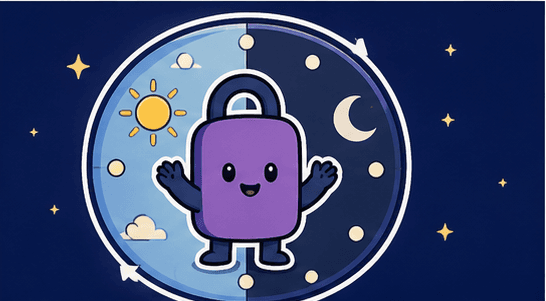
Your circadian rhythm is your body's biological clock that operates on a roughly 24-hour cycle. It affects nearly every bodily function including sleep-wake cycles, hormone release, and body temperature regulation. Learn how to build and maintain a healthy circadian rhythm.
What Is Circadian Rhythm?
Circadian rhythm comes from the Latin words 'circa' (about) and 'dies' (day), referring to biological rhythms that repeat approximately every 24 hours.
The suprachiasmatic nucleus (SCN) in your brain's hypothalamus acts as the master clock, receiving light signals and synchronizing cells throughout your body.
Key Point
Circadian rhythm regulates not just sleep, but appetite, body temperature, blood pressure, cognitive function, immunity, and nearly all bodily functions.
What Circadian Rhythm Controls
Your circadian rhythm regulates various bodily functions on a 24-hour cycle.
Sleep-Wake Cycle
Creates the natural rhythm of feeling sleepy at night and waking in the morning.
Hormone Release
Melatonin, cortisol, and growth hormone are released at specific times.
Body Temperature
Body temperature peaks in the afternoon and drops lowest before dawn.
How to Build a Healthy Circadian Rhythm
Consistent daily habits are the key to a healthy circadian rhythm. Try these practices.
- 1.Wake up at the same time every day (including weekends)
- 2.Get 30+ minutes of bright light exposure in the morning
- 3.Maintain regular meal times
- 4.Avoid caffeine after 2 PM
- 5.Reduce blue light exposure in the evening
Morning sunlight exposure is especially important. When you see bright light in the morning, melatonin production is suppressed, and it's released again 14-16 hours later to naturally induce sleep.
How Light Affects Circadian Rhythm
Light is the most powerful signal for synchronizing your circadian rhythm. Proper light management is key to a healthy rhythm.
Morning Light Benefits
Morning sunlight stimulates cortisol release and creates alertness, resetting your body clock.
Evening Blue Light
Blue light from smartphones and computers suppresses melatonin production, disrupting sleep.
Indoor Lighting
Switch to warm-colored lighting in the evening and reduce brightness.
Night Mode
Use device night mode or blue light blocking glasses.
Habits That Disrupt Circadian Rhythm
Many modern lifestyle habits disrupt circadian rhythm. Avoid these behaviors.
- •Sleeping in on weekends (causes social jet lag)
- •Irregular meal times
- •Late-night heavy meals
- •Intense exercise late at night
- •Using smartphone right until bedtime
Optimal Activities by Time of Day
Aligning activities with your circadian rhythm can boost both efficiency and health.
6-9 AM
Wake up, get light exposure, eat breakfast. Cortisol is high, optimal for alertness.
9 AM-12 PM
Best for tasks requiring focus. Cognitive function peaks.
2-4 PM
Natural drowsiness period. Good for light work or a short nap.
5-7 PM
Optimal for exercise. Muscle strength and body temperature peak.
After 9 PM
Dim lights and do relaxing activities to prepare for sleep.
Signs of Circadian Rhythm Disruption
When circadian rhythm is disrupted, various symptoms appear. Consider consulting a specialist if these persist.
- !Difficulty falling asleep or waking too early
- !Severe daytime sleepiness and fatigue
- !Decreased concentration and memory problems
- !Mood changes, irritability, increased depression
Start Today
A healthy circadian rhythm isn't built overnight. But you can start with small habit changes.
The easiest first step is waking at the same time every day and getting bright light in the morning. After 2-3 weeks of consistent practice, your body clock naturally resets.
⚠️ Important Notice
This article is for informational purposes only and is not a substitute for professional medical advice, diagnosis, or treatment. If you suspect you have a sleep disorder or any health condition, please consult a doctor or sleep specialist.

Take the First Step to Better Sleep
Build healthy sleep habits with Good Night Lock.
Download Good Night LockRelated Articles
Why Is It So Hard to Wake Up in the Morning? Understanding Sleep Inertia
Do you find yourself hitting the snooze button multiple times every morning? Feel like you need an extra hour of sleep no matter how long you slept? You're experiencing sleep inertia - a fascinating phenomenon that affects millions of people worldwide.
Why Alcohol Disrupts Your Sleep (Even Though It Makes You Drowsy)
After a drink or two, you might feel relaxed and sleepy—perfect for bedtime, right? Not quite. While alcohol can make you drowsy initially, it actually sabotages your sleep quality in ways that leave you feeling tired the next day. Let's uncover the science behind alcohol's complex relationship with sleep.
The Napoleon Sleep Method: The Truth About 4-Hour Sleep
Have you heard the story about Napoleon, the great conqueror, who exercised powerful leadership while sleeping only 4 hours a day? Is this sleep method really effective? And did Napoleon actually use this method?
Why Do We Dream So Often? The Science Behind Frequent Dreams
Why do we have vivid dreams on some nights while remembering nothing on others? Let's explore the science of dreams to understand why we dream and how we can enjoy more restful nights.
The Science of Pulling an All-Nighter: How 24 Hours Without Sleep Affects Your Body and Brain
Cramming for an exam, racing against a project deadline, or staying up all night with friends—we've all been there. But what actually happens to your body and brain when you go a full 24 hours without sleep? Let's explore the science behind all-nighters and learn how to handle them when they're truly unavoidable.
Melatonin Side Effects: What to Know About 5mg & 10mg Doses
Melatonin is a natural hormone and popular sleep aid that helps millions get better rest. However, different dosages can come with various side effects. Let's explore how melatonin works, what side effects to watch for at different doses, and how to use it safely.