Dark Circles: Causes and the Most Effective Solution
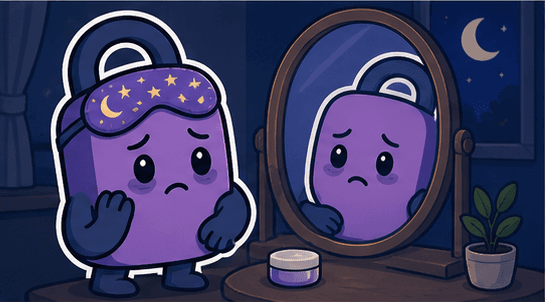
Do you notice dark circles under your eyes every time you look in the mirror? If makeup can't hide them and people keep saying you look tired, pay attention. Let's explore the main causes of dark circles and fundamental ways to improve them.
What Are Dark Circles?
Dark circles are the appearance of darkened skin under the eyes. The skin around the eyes is the thinnest on the face, making blood vessels and pigmentation easily visible, resulting in a bluish or brownish appearance.
Dark circles aren't just a cosmetic issue—they can be a signal reflecting your health status. They're particularly closely related to sleep deprivation, making lifestyle improvements crucial.
Main Causes of Dark Circles
Dark circles can result from various causes, but sleep deprivation is one of the most common.
Sleep Deprivation
When you don't get enough sleep, your skin becomes paler, making the blood vessels underneath more visible.
Poor Blood Circulation
Accumulated fatigue leads to poor blood circulation around the eyes, causing blood to pool and appear darker.
Hyperpigmentation
UV exposure, skin friction, and inflammation can cause excess melanin production.
Genetic Factors
If there's a family history, dark circles appear more easily and can be visible from a young age.
Aging
As we age, the skin under the eyes becomes thinner, and loss of fat and collagen worsens dark circles.
Allergies
Nasal congestion from rhinitis or allergies dilates blood vessels around the eyes, causing dark circles.
How Sleep Deprivation Affects Dark Circles
Sleep deprivation is one of the most direct causes of dark circles. When we don't get enough sleep, several changes occur in our body.
Skin Pallor
Sleep deprivation causes pale skin, making dark blood vessels more prominently visible.
Blood Vessel Dilation
When fatigued, blood vessels under the eyes dilate and appear darker.
Fluid Retention
Sleep deprivation causes puffiness under the eyes, creating shadows that make dark circles look worse.
Increased Cortisol
Elevated stress hormone cortisol reduces skin elasticity and worsens pigmentation.
Types of Dark Circles
Dark circles vary in color and characteristics depending on their cause.
Vascular Type (Blue/Purple)
Caused by sleep deprivation or fatigue, appearing bluish under the eyes. Can be improved with adequate sleep.
Pigmented Type (Brown)
Caused by excess melanin production, requiring sun protection and brightening care.
Structural Type (Shadow)
Caused by under-eye fat or sagging skin creating shadows, related to aging.
How to Improve Dark Circles
Let's explore the most effective ways to improve dark circles.
Get Adequate Sleep
Getting 7-9 hours of quality sleep daily is the most basic and effective method.
Apply Cold Compress
Placing cold spoons or cold compresses under the eyes helps constrict blood vessels.
Sun Protection
Use sunglasses and sunscreen when going outside to prevent pigmentation.
Use Eye Cream
Consistently use eye creams containing vitamin C, retinol, or caffeine.
Use a Higher Pillow
Sleeping with your head slightly elevated helps reduce under-eye puffiness.
Stay Hydrated
Adequate hydration helps with skin health and improved blood circulation.
How to Improve Sleep Quality
Improving sleep quality is essential for reducing dark circles.
- 1Maintain a regular sleep schedule
- 2Avoid smartphones and computers before bed
- 3Consume caffeine only before 2 PM
- 4Keep your bedroom dark and cool
- 5Take a warm shower before bed
- 6Finish eating 2 hours before bedtime
When to Seek Professional Treatment
Consider consulting a dermatologist in the following cases.
- ⚠️Dark circles don't improve despite adequate sleep
- ⚠️Dark circles are progressively getting worse
- ⚠️Dark circles appear under only one eye
- ⚠️Accompanied by swelling or pain
- ⚠️Dark circles suddenly became severe
Professional treatments include laser therapy, filler injections, chemical peels, and pigmentation treatments.
The Key to Improving Dark Circles Is Adequate Sleep
Dark circles can result from various causes, but sleep deprivation is the most common and improvable cause.
Start regular sleep habits today and get adequate rest to regain bright, healthy under-eyes. Good sleep helps not only with dark circles but also with overall health and quality of life.
⚠️ Important Notice
This article is for informational purposes only and is not a substitute for professional medical advice, diagnosis, or treatment. If you suspect you have a sleep disorder or any health condition, please consult a doctor or sleep specialist.

Take the First Step to Better Sleep
Build healthy sleep habits with Good Night Lock.
Download Good Night LockRelated Articles
Complete Guide to Sleep Apnea: Symptoms, Causes, Diagnosis, and Treatment
Do you sleep enough at night but still feel tired in the morning? Does your partner complain about your loud snoring? Have you ever woken up gasping for air? These symptoms could be signs of 'sleep apnea.' Let's learn about this common yet dangerous sleep disorder that affects approximately 20% of adults.
Complete Guide to REM Sleep Behavior Disorder: Why You Scream or Kick While Sleeping
Has your partner ever suddenly screamed, swung their fists, or jumped out of bed while sleeping? Or have you woken up from a vivid nightmare to find yourself hitting a wall? This could be 'REM Sleep Behavior Disorder (RBD)'. Let's explore this unusual sleep disorder.
Complete GABA Guide: Effects on Sleep and Proper Intake
Have you searched for GABA supplements because you can't sleep? 'Natural sedative', 'stress relief', 'sleep improvement'... The ads are flashy, but do they really work? Let's explore GABA's impact on sleep and the scientific evidence.
Complete Guide to Ecklonia Cava Benefits: Effects on Sleep and Scientific Evidence
Have you heard about 'Ecklonia cava extract' gaining attention as a sleep supplement? Can this brown seaweed growing along Korean and Japanese coasts really help with sleep? Let's explore the sleep benefits of Ecklonia cava extract with scientific research.
Sleep and Disc Health: Why Poor Sleep Causes Back Pain
Do you wake up with a stiff or aching back? Learn how your sleep position and mattress affect spinal health, and discover the right sleeping methods for those with disc problems.
Why Your Back Hurts When You Wake Up: Causes and Solutions
Waking up with a stiff, aching back is something many of us experience. Why does back pain occur even after a full night's sleep? In this article, we explore the causes of morning back pain and effective solutions to fix it.