Da Vinci Sleep Method: The Truth About Sleeping 20 Minutes Every 4 Hours
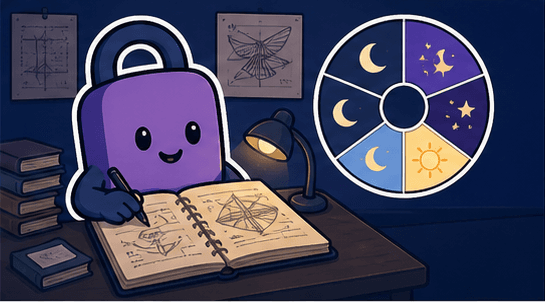
Legend has it that Leonardo da Vinci slept only 2 hours a day yet became one of the greatest geniuses in human history. The so-called 'Da Vinci Sleep Method' or 'Uberman Sleep Schedule' involves taking 20-minute naps every 4 hours. But is this extreme sleep pattern actually achievable? And what does modern science say about it?
What is the Da Vinci Sleep Method?
The Da Vinci Sleep Method, also known as the 'Uberman Sleep Schedule,' is the most extreme form of polyphasic sleep. It involves taking six 20-minute naps throughout 24 hours, one every 4 hours.
This sleep method is named after the Renaissance genius Leonardo da Vinci, who allegedly slept this way. However, there is little historical evidence supporting this claim, and it appears to be largely a modern myth.
Why 20-Minute Naps?
Twenty minutes is the golden time for 'power naps.' During this time, the brain experiences only light sleep and REM sleep without entering deep sleep. Waking from deep sleep causes 'sleep inertia,' making you feel even more tired.
Scientific Assessment: Why It's Dangerous
Modern sleep scientists warn that the Da Vinci Sleep Method is very dangerous for most people. Two hours of sleep per day falls far short of the 7-9 hours adults need.
Da Vinci Sleep Method Schedule
This is the typical schedule followed by those attempting the Da Vinci Sleep Method. Note that this is for informational purposes only and not medical advice.
Who Can Attempt This?
Only a very small number of people can adapt to the Da Vinci Sleep Method. These are mostly 'short sleepers' who are genetically predisposed to need less sleep. However, true short sleepers comprise only 1-3% of the population.
Precautions Before Trying the Da Vinci Sleep Method
If you're considering trying the Da Vinci Sleep Method, you must consider the following points.
Conclusion: Between Legend and Reality
The Da Vinci Sleep Method is an appealing legend, but modern science tells us it's unsuitable for most people. It's not even certain that da Vinci actually slept this way.
If you truly want to achieve genius-level accomplishments, adequate sleep is actually more helpful. During sleep, the brain organizes memories, enhances creativity, and improves problem-solving abilities.
The secret to becoming a genius is not sleeping less, but sleeping better.
⚠️ Important Notice
This article is for informational purposes only and is not a substitute for professional medical advice, diagnosis, or treatment. If you suspect you have a sleep disorder or any health condition, please consult a doctor or sleep specialist.

Take the First Step to Better Sleep
Build healthy sleep habits with Good Night Lock.
Download Good Night LockRelated Articles
Why Is It So Hard to Wake Up in the Morning? Understanding Sleep Inertia
Do you find yourself hitting the snooze button multiple times every morning? Feel like you need an extra hour of sleep no matter how long you slept? You're experiencing sleep inertia - a fascinating phenomenon that affects millions of people worldwide.
Why Alcohol Disrupts Your Sleep (Even Though It Makes You Drowsy)
After a drink or two, you might feel relaxed and sleepy—perfect for bedtime, right? Not quite. While alcohol can make you drowsy initially, it actually sabotages your sleep quality in ways that leave you feeling tired the next day. Let's uncover the science behind alcohol's complex relationship with sleep.
The Napoleon Sleep Method: The Truth About 4-Hour Sleep
Have you heard the story about Napoleon, the great conqueror, who exercised powerful leadership while sleeping only 4 hours a day? Is this sleep method really effective? And did Napoleon actually use this method?
Why Do We Dream So Often? The Science Behind Frequent Dreams
Why do we have vivid dreams on some nights while remembering nothing on others? Let's explore the science of dreams to understand why we dream and how we can enjoy more restful nights.
The Science of Pulling an All-Nighter: How 24 Hours Without Sleep Affects Your Body and Brain
Cramming for an exam, racing against a project deadline, or staying up all night with friends—we've all been there. But what actually happens to your body and brain when you go a full 24 hours without sleep? Let's explore the science behind all-nighters and learn how to handle them when they're truly unavoidable.
Melatonin Side Effects: What to Know About 5mg & 10mg Doses
Melatonin is a natural hormone and popular sleep aid that helps millions get better rest. However, different dosages can come with various side effects. Let's explore how melatonin works, what side effects to watch for at different doses, and how to use it safely.