How to Reset Your Sleep Schedule: A Complete Guide to Switching Your Day-Night Cycle
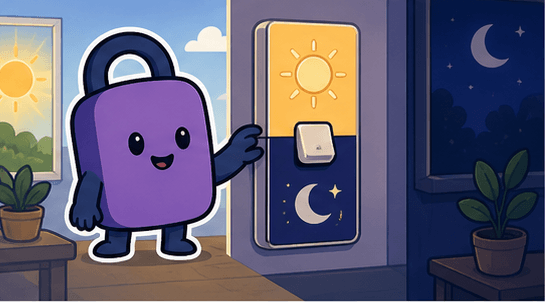
Whether you're recovering from jet lag, adjusting to a new work schedule, or trying to break free from a nocturnal lifestyle, resetting your sleep schedule can feel like a daunting challenge. The good news is that with the right strategies, you can shift your body clock and establish a healthier sleep-wake pattern. This guide explores the science behind circadian rhythms and provides practical steps to help you make the switch.
Understanding Your Internal Clock
Your body operates on a roughly 24-hour cycle called the circadian rhythm, controlled by a tiny region in your brain called the suprachiasmatic nucleus (SCN). This internal clock regulates not just sleep, but also hormone release, body temperature, and metabolism.
The circadian rhythm is influenced by external cues called 'zeitgebers' (German for 'time givers'), with light being the most powerful. When your sleep schedule is misaligned with your desired routine, you're essentially fighting against this biological programming.
Key Insight
Your body clock can typically shift by about 1-2 hours per day naturally. Trying to make drastic changes overnight usually backfires, leading to exhaustion and reverting to old patterns.
Common Reasons for Disrupted Sleep Schedules
Understanding why your schedule is off can help you choose the right approach to fix it:
Jet Lag
Crossing multiple time zones throws your internal clock out of sync with the local time. Recovery typically takes about one day per time zone crossed.
Shift Work
Rotating or night shifts force you to sleep when your body wants to be awake, and work when it wants to sleep. This requires careful schedule management.
Social Jet Lag
Staying up late on weekends and sleeping in creates a pattern similar to flying across time zones every week, disrupting your Monday routine.
Revenge Bedtime Procrastination
Sacrificing sleep to reclaim personal time after a busy day leads to progressively later bedtimes and a shifted schedule.
Delayed Sleep Phase Syndrome
Some people naturally have a body clock that runs later than typical, making it difficult to fall asleep and wake up at conventional times.
The Light Strategy: Your Most Powerful Tool
Light exposure is the primary signal that sets your circadian rhythm. Strategic use of light and darkness can effectively shift your body clock:
Morning Bright Light
Expose yourself to bright light within 30 minutes of waking. Natural sunlight is best (10,000+ lux), but a light therapy box works too. This advances your clock, helping you feel sleepy earlier.
Evening Light Blocking
Dim your environment 2-3 hours before bedtime. Use blue light blocking glasses or apps, and switch to warm, low lighting.
Complete Darkness for Sleep
Use blackout curtains and remove all light sources from your bedroom. Even small amounts of light can disrupt melatonin production.
Strategic Light Avoidance
If shifting to an earlier schedule, avoid bright light in the evening. If shifting later, avoid bright light in the morning.
The Gradual Shift Method
The most sustainable way to reset your schedule is to shift gradually:
Calculate the Shift Needed
Determine how many hours your current schedule differs from your goal. If you're sleeping at 2 AM but want to sleep at 10 PM, that's a 4-hour shift.
Shift by 15-30 Minutes Daily
Move your bedtime and wake time earlier (or later) by 15-30 minutes each day. This gentle approach allows your body to adjust without resistance.
Maintain Consistency
Once you reach your target schedule, keep it consistent—including weekends. Variation of more than 1 hour can undo your progress.
Be Patient
A 4-hour shift may take 2-4 weeks to complete properly. Rushing leads to fatigue and relapse.
The All-Nighter Reset (Use with Caution)
In some cases, staying up all night and going to bed at your target time can reset your clock faster. However, this method has risks:
Warnings
- •Only attempt if you have a free day afterward to recover
- •Avoid driving or operating machinery when sleep-deprived
- •This method can backfire if you nap or fall asleep during the day
- •Not recommended for people with health conditions or who need to be alert
- •The gradual method is generally safer and more effective long-term
If You Choose This Method
Stay active during the day, get plenty of light exposure, and go to bed at your target time—even if you feel exhausted earlier. Set multiple alarms for your new wake time.
Supporting Strategies
These additional approaches can help reinforce your new schedule:
Melatonin Timing
Taking low-dose melatonin (0.5-3mg) 2-3 hours before your target bedtime can help signal sleep. Consult a healthcare provider before use.
Temperature Regulation
Your body temperature drops to initiate sleep. A warm bath 1-2 hours before bed, followed by a cool bedroom (18-20°C), mimics this natural drop.
Meal Timing
Eat meals at consistent times aligned with your target schedule. Avoid heavy meals close to bedtime, and don't eat during the night.
Exercise Timing
Morning or afternoon exercise reinforces your body clock. Avoid intense workouts within 3-4 hours of bedtime.
Caffeine Curfew
Stop caffeine at least 6 hours before your target bedtime. If sensitive, make it 8-10 hours.
Special Situations
Different scenarios may require modified approaches:
Jet Lag Recovery
Start adjusting 2-3 days before travel if possible. Upon arrival, immediately adopt local meal and light schedules. Avoid napping for more than 20 minutes.
Night Shift Adaptation
Use blackout curtains and sleep masks for daytime sleep. Consider keeping a consistent night shift schedule even on days off to avoid constant readjustment.
Teenager Phase Delay
Teens naturally have later circadian rhythms. Work with this biology by ensuring morning light exposure and limiting evening screen time.
Troubleshooting Common Problems
Can't Fall Asleep at Target Time
Don't lie in bed for more than 20 minutes. Get up, do a quiet activity in dim light, and return when sleepy. Your body may need more gradual shifts.
Waking Up Too Early
Avoid bright light in the early morning if you're waking before your target time. Make sure your room is completely dark.
Daytime Sleepiness
Expect some fatigue during the transition. Use bright light and activity to stay alert, but avoid long naps that could derail progress.
Weekend Slipping
Weekend deviation is the most common cause of failed schedule changes. Limit weekend sleep-in to no more than 1 hour difference from weekdays.
Take It One Day at a Time
Resetting your sleep schedule isn't an overnight fix—it's a gradual process that requires patience and consistency. Your circadian rhythm has been running a certain way for a long time, and it takes time to reprogram.
Start with light exposure as your primary tool, shift gradually, and be patient with yourself. The effort you invest now will pay off in better energy, mood, and overall health once your body adjusts to its new rhythm.
⚠️ Important Notice
This article is for informational purposes only and is not a substitute for professional medical advice, diagnosis, or treatment. If you suspect you have a sleep disorder or any health condition, please consult a doctor or sleep specialist.

Take the First Step to Better Sleep
Build healthy sleep habits with Good Night Lock.
Download Good Night LockRelated Articles
Why Is It So Hard to Wake Up in the Morning? Understanding Sleep Inertia
Do you find yourself hitting the snooze button multiple times every morning? Feel like you need an extra hour of sleep no matter how long you slept? You're experiencing sleep inertia - a fascinating phenomenon that affects millions of people worldwide.
Why Alcohol Disrupts Your Sleep (Even Though It Makes You Drowsy)
After a drink or two, you might feel relaxed and sleepy—perfect for bedtime, right? Not quite. While alcohol can make you drowsy initially, it actually sabotages your sleep quality in ways that leave you feeling tired the next day. Let's uncover the science behind alcohol's complex relationship with sleep.
The Napoleon Sleep Method: The Truth About 4-Hour Sleep
Have you heard the story about Napoleon, the great conqueror, who exercised powerful leadership while sleeping only 4 hours a day? Is this sleep method really effective? And did Napoleon actually use this method?

Why Do We Dream So Often? The Science Behind Frequent Dreams
Why do we have vivid dreams on some nights while remembering nothing on others? Let's explore the science of dreams to understand why we dream and how we can enjoy more restful nights.
The Science of Pulling an All-Nighter: How 24 Hours Without Sleep Affects Your Body and Brain
Cramming for an exam, racing against a project deadline, or staying up all night with friends—we've all been there. But what actually happens to your body and brain when you go a full 24 hours without sleep? Let's explore the science behind all-nighters and learn how to handle them when they're truly unavoidable.
Melatonin Side Effects: What to Know About 5mg & 10mg Doses
Melatonin is a natural hormone and popular sleep aid that helps millions get better rest. However, different dosages can come with various side effects. Let's explore how melatonin works, what side effects to watch for at different doses, and how to use it safely.