The Calming Power of Delta Waves: The Core of Deep Sleep
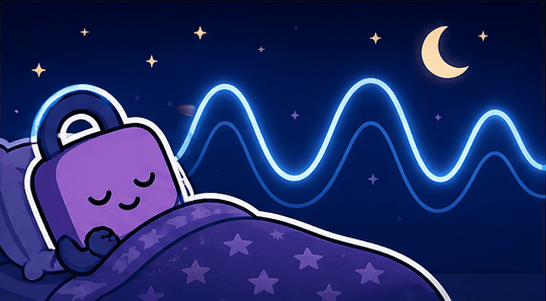
Delta waves are the slowest brainwaves, essential for deep sleep and physical recovery. Discover how delta waves provide stability to our body and mind, and how we can harness their power.
What Are Delta Waves?
Delta waves are brainwaves in the 0.5-4Hz frequency range, the slowest of all human brainwaves. They primarily appear during deep sleep stages (N3, slow-wave sleep) and indicate a state of near-unconsciousness.
Delta waves are more prevalent in infants and children than adults, and delta wave production tends to decrease with age. This is one reason why elderly people have difficulty achieving deep sleep.
Characteristics of Delta Waves
Characterized by high amplitude and slow frequency, delta waves show synchronized activity across the entire brain, indicating a state of deep rest and recovery.
Delta Waves and Deep Sleep
Delta waves are predominant during the deepest stages of sleep.
N3 Sleep Stage
Comprises about 15-25% of total sleep, with delta waves appearing in more than 20% of this stage.
Slow-Wave Sleep
Brain waves slow to less than 1Hz, reaching the deepest state of unconsciousness.
Restorative Sleep
The stage where the body most actively recovers and regenerates, and is the hardest to wake from.
Physical Stability from Delta Waves
In the delta wave state, our body undergoes various recovery processes.
- •Growth hormone secretion peaks, enabling active cell regeneration and tissue repair
- •The immune system strengthens, increasing resistance to disease
- •Muscle relaxation is maximized, completely releasing physical tension
- •Blood pressure and heart rate stabilize, allowing the cardiovascular system to rest
- •Metabolic processes slow down and energy is conserved
These physical recovery processes cannot be fully achieved without sufficient delta sleep.
Mental Stability from Delta Waves
Delta waves play an important role in mental health and cognitive function.
Memory Consolidation
Information learned during the day is converted and organized into long-term memory.
Brain Detoxification
The glymphatic system activates to remove brain waste products like beta-amyloid.
Emotional Regulation
Stress hormone levels are reset, restoring emotional balance.
Creativity Enhancement
Unconscious information processing occurs, aiding creative problem-solving.
Effects of Delta Wave Deficiency
Insufficient delta wave sleep can lead to various problems.
- •Chronic fatigue and daytime drowsiness persist
- •Weakened immunity makes you vulnerable to illness
- •Memory and learning abilities decline
- •Mood changes and depression increase
- •Aging accelerates and cognitive function deteriorates
Ways to Increase Delta Waves
The following methods can help improve delta wave sleep.
Regular Sleep Schedule
Going to bed and waking up at the same time daily stabilizes sleep cycles and improves delta sleep.
Pre-sleep Relaxation Activities
Meditation, deep breathing, and light stretching help transition the brain to a delta state.
Use Brainwave Entrainment
Use binaural beats or isochronic tones at delta frequencies (1-3Hz) before sleep.
Optimal Sleep Environment
A dark, quiet, and cool environment promotes deep sleep.
Regular Exercise
Moderate exercise during the day induces deeper sleep at night.
Delta Waves and Age
Delta wave production changes significantly with age.
- •Infants: More than 50% of total sleep consists of delta sleep
- •Adolescents: Still maintain significant delta sleep but it begins to decrease
- •Adults: Delta sleep stabilizes at 15-25% of total sleep
- •Elderly: Delta sleep decreases significantly, potentially falling below 10%
Delta Waves for Deep Stability
Delta waves are the core brainwaves responsible for fundamental recovery and stability of our body and mind. Sufficient delta sleep performs various important functions beyond simple rest, including physical regeneration, immune enhancement, memory consolidation, and emotional regulation.
Modern lifestyles with irregular patterns and stress can interfere with delta sleep. Experience the stability of delta waves through regular sleep habits and proper sleep environments.
⚠️ Important Notice
This article is for informational purposes only and is not a substitute for professional medical advice, diagnosis, or treatment. If you suspect you have a sleep disorder or any health condition, please consult a doctor or sleep specialist.

Take the First Step to Better Sleep
Build healthy sleep habits with Good Night Lock.
Download Good Night LockRelated Articles
Why Is It So Hard to Wake Up in the Morning? Understanding Sleep Inertia
Do you find yourself hitting the snooze button multiple times every morning? Feel like you need an extra hour of sleep no matter how long you slept? You're experiencing sleep inertia - a fascinating phenomenon that affects millions of people worldwide.
Why Alcohol Disrupts Your Sleep (Even Though It Makes You Drowsy)
After a drink or two, you might feel relaxed and sleepy—perfect for bedtime, right? Not quite. While alcohol can make you drowsy initially, it actually sabotages your sleep quality in ways that leave you feeling tired the next day. Let's uncover the science behind alcohol's complex relationship with sleep.
The Napoleon Sleep Method: The Truth About 4-Hour Sleep
Have you heard the story about Napoleon, the great conqueror, who exercised powerful leadership while sleeping only 4 hours a day? Is this sleep method really effective? And did Napoleon actually use this method?

Why Do We Dream So Often? The Science Behind Frequent Dreams
Why do we have vivid dreams on some nights while remembering nothing on others? Let's explore the science of dreams to understand why we dream and how we can enjoy more restful nights.
The Science of Pulling an All-Nighter: How 24 Hours Without Sleep Affects Your Body and Brain
Cramming for an exam, racing against a project deadline, or staying up all night with friends—we've all been there. But what actually happens to your body and brain when you go a full 24 hours without sleep? Let's explore the science behind all-nighters and learn how to handle them when they're truly unavoidable.
Melatonin Side Effects: What to Know About 5mg & 10mg Doses
Melatonin is a natural hormone and popular sleep aid that helps millions get better rest. However, different dosages can come with various side effects. Let's explore how melatonin works, what side effects to watch for at different doses, and how to use it safely.