Diet and Sleep During Weight Loss: The Essential Connection
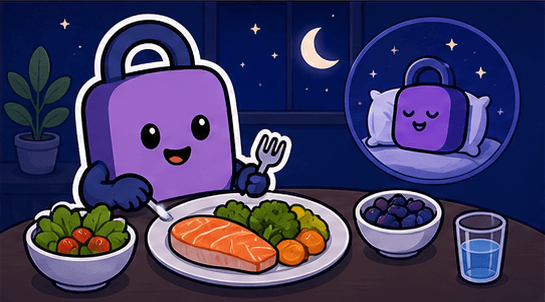
When trying to lose weight, most people focus on diet and exercise. But there's a third crucial factor that often gets overlooked: sleep. Research shows that the relationship between what you eat, how you sleep, and your weight loss success is deeply interconnected. This guide explores how to optimize both your diet and sleep for effective, sustainable weight loss.
Why Sleep Matters for Weight Loss
Sleep isn't just rest—it's an active metabolic state that directly impacts your ability to lose weight. Understanding this connection is the first step to smarter weight loss.
Hormone Regulation
Sleep regulates leptin (satiety) and ghrelin (hunger) hormones. Poor sleep increases ghrelin and decreases leptin, making you feel hungrier and less satisfied after eating.
Metabolism Boost
Quality sleep maintains optimal metabolic rate. Sleep-deprived individuals burn fewer calories at rest and have impaired glucose metabolism, leading to fat storage.
Muscle Preservation
During weight loss, adequate sleep helps preserve lean muscle mass. Sleep deprivation can cause up to 60% of weight loss to come from muscle rather than fat.
Willpower Recovery
Sleep restores prefrontal cortex function, which controls decision-making and impulse control. Better sleep means better food choices throughout the day.
Foods That Promote Better Sleep
What you eat significantly affects your sleep quality. Incorporating these sleep-promoting foods into your diet can enhance both rest and weight loss.
Tart Cherries
One of the few natural sources of melatonin. Studies show tart cherry juice can increase sleep duration by up to 84 minutes and improve sleep quality.
Fatty Fish
Salmon, tuna, and mackerel are rich in omega-3s and vitamin D, both linked to improved serotonin production and better sleep regulation.
Nuts and Seeds
Almonds, walnuts, and pumpkin seeds provide magnesium and tryptophan, helping muscles relax and promoting the production of sleep hormones.
Complex Carbohydrates
Whole grains, oats, and sweet potatoes help tryptophan enter the brain more easily, naturally promoting drowsiness without blood sugar spikes.
Kiwi Fruit
Research shows eating two kiwis an hour before bed can help you fall asleep 42% faster and increase total sleep time by 13%.
Foods and Habits to Avoid Before Bed
Just as important as what to eat is knowing what to avoid. These foods and habits can sabotage both your sleep and weight loss efforts.
Caffeine After 2 PM
Caffeine has a half-life of 5-6 hours, meaning half of it is still in your system that long after consumption. Even if you fall asleep, caffeine reduces deep sleep quality.
Alcohol Before Bed
While alcohol may help you fall asleep faster, it disrupts REM sleep, causes frequent waking, and adds empty calories that work against weight loss.
Heavy or Spicy Meals
Large meals before bed force your digestive system to work overtime, potentially causing acid reflux and disrupting sleep cycles.
High-Sugar Foods
Sugar causes blood sugar spikes and crashes that can wake you up at night and trigger cravings. This double impact hurts both sleep and weight loss.
Late-Night Eating
Eating within 2-3 hours of bedtime disrupts your body's natural fasting period during sleep, which is important for metabolic health and fat burning.
Optimal Meal Timing for Better Sleep
When you eat is almost as important as what you eat. Strategic meal timing can enhance both sleep quality and weight loss results.
Front-Load Your Calories
Consume more calories earlier in the day when metabolism is highest. A larger breakfast and moderate lunch with a lighter dinner supports both weight loss and sleep.
The 3-Hour Rule
Finish your last meal at least 3 hours before bedtime. This allows digestion to complete and blood sugar to stabilize before sleep.
Light Evening Snack
If you need something before bed, opt for a small, protein-rich snack like Greek yogurt or a handful of nuts—about 150-200 calories maximum.
Consistent Meal Times
Regular eating schedules help regulate your circadian rhythm. Erratic meal times can confuse your body's internal clock and disrupt sleep.
The Sleep-Diet-Exercise Triangle
For optimal weight loss, sleep, diet, and exercise must work together. Neglecting any one element undermines the other two.
Exercise Timing
Morning or afternoon exercise improves sleep quality. However, intense exercise within 2-3 hours of bedtime can raise body temperature and delay sleep onset.
Post-Workout Nutrition
Time your post-workout meal to support both recovery and sleep. A balanced meal 2-3 hours before bed with protein and complex carbs is ideal.
Active Recovery Days
On rest days, lighter eating and gentle movement like walking or yoga can maintain sleep quality without the stimulation of intense workouts.
Hydration Balance
Stay well-hydrated during the day, but reduce fluid intake 2 hours before bed to minimize nighttime bathroom trips that disrupt sleep.
Creating Your Sleep-Optimized Diet Plan
Here's how to structure your daily eating for maximum sleep quality and weight loss effectiveness.
Breakfast (7-8 AM)
Protein-rich with complex carbs. Include eggs, Greek yogurt, or lean protein with whole grains. This sets your circadian rhythm and controls hunger.
Lunch (12-1 PM)
Your largest meal of the day. Include lean protein, plenty of vegetables, healthy fats, and whole grains for sustained energy.
Afternoon Snack (3-4 PM)
Light and balanced. Nuts, fruit, or vegetables with hummus help bridge the gap to dinner without spiking blood sugar.
Dinner (6-7 PM)
Lighter than lunch, focusing on lean protein and non-starchy vegetables. Include sleep-promoting foods like fatty fish or leafy greens.
Optional Evening Snack (8 PM)
Only if truly hungry. Stick to sleep-friendly options like tart cherry juice, a small serving of kiwi, or a few almonds.
Common Mistakes to Avoid
Many dieters unknowingly sabotage their sleep while trying to lose weight. Here are the most common pitfalls.
Extreme Calorie Restriction
Eating too few calories disrupts sleep hormones and can cause nighttime hunger that wakes you up. Moderate deficit (500 calories/day) is more sustainable.
Skipping Carbs Entirely
Very low-carb diets can reduce serotonin production, making it harder to fall asleep. Include some complex carbs, especially at dinner.
Over-Caffeinating
Using caffeine to combat diet-related fatigue creates a vicious cycle. Address the root cause instead of masking symptoms.
Ignoring Sleep in Favor of Exercise
Sacrificing sleep to exercise early morning often backfires. Sleep deprivation can negate the metabolic benefits of exercise.
The Path to Sustainable Weight Loss
Successful weight loss isn't just about eating less and moving more—it's about creating a lifestyle that supports your body's natural rhythms. When you optimize both your diet and sleep, you work with your biology rather than against it.
Start by making small changes: adjust your meal timing, incorporate sleep-promoting foods, and protect your sleep environment. These combined efforts will accelerate your weight loss while making the process more enjoyable and sustainable.
⚠️ Important Notice
This article is for informational purposes only and is not a substitute for professional medical advice, diagnosis, or treatment. If you suspect you have a sleep disorder or any health condition, please consult a doctor or sleep specialist.

Take the First Step to Better Sleep
Build healthy sleep habits with Good Night Lock.
Download Good Night LockRelated Articles
Why Is It So Hard to Wake Up in the Morning? Understanding Sleep Inertia
Do you find yourself hitting the snooze button multiple times every morning? Feel like you need an extra hour of sleep no matter how long you slept? You're experiencing sleep inertia - a fascinating phenomenon that affects millions of people worldwide.
Why Alcohol Disrupts Your Sleep (Even Though It Makes You Drowsy)
After a drink or two, you might feel relaxed and sleepy—perfect for bedtime, right? Not quite. While alcohol can make you drowsy initially, it actually sabotages your sleep quality in ways that leave you feeling tired the next day. Let's uncover the science behind alcohol's complex relationship with sleep.
The Napoleon Sleep Method: The Truth About 4-Hour Sleep
Have you heard the story about Napoleon, the great conqueror, who exercised powerful leadership while sleeping only 4 hours a day? Is this sleep method really effective? And did Napoleon actually use this method?
Why Do We Dream So Often? The Science Behind Frequent Dreams
Why do we have vivid dreams on some nights while remembering nothing on others? Let's explore the science of dreams to understand why we dream and how we can enjoy more restful nights.
The Science of Pulling an All-Nighter: How 24 Hours Without Sleep Affects Your Body and Brain
Cramming for an exam, racing against a project deadline, or staying up all night with friends—we've all been there. But what actually happens to your body and brain when you go a full 24 hours without sleep? Let's explore the science behind all-nighters and learn how to handle them when they're truly unavoidable.
Melatonin Side Effects: What to Know About 5mg & 10mg Doses
Melatonin is a natural hormone and popular sleep aid that helps millions get better rest. However, different dosages can come with various side effects. Let's explore how melatonin works, what side effects to watch for at different doses, and how to use it safely.