Dream Sharing: The Psychology Behind Talking About Your Dreams
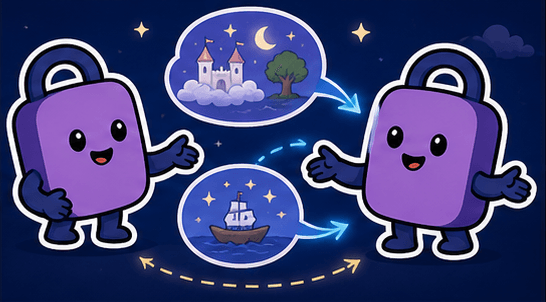
Have you ever woken up from a vivid dream and immediately wanted to tell someone about it? Or perhaps you've noticed that some people love sharing their dreams while others never mention them. The act of dream sharing is more than just casual conversation—it reveals fascinating insights about memory, relationships, and psychological well-being.
Why Do We Want to Share Our Dreams?
The urge to share dreams is deeply rooted in human psychology. Dreams often feel significant, emotionally charged, or simply too bizarre not to mention. But why do we feel compelled to share these ephemeral nighttime experiences?
Research in cognitive psychology suggests several motivations behind dream sharing, each revealing something unique about how our minds process sleep experiences.
Emotional Processing
Sharing emotionally intense dreams helps us process and integrate confusing or disturbing emotions experienced during sleep
Memory Consolidation
Verbalizing dreams strengthens memory formation and helps solidify dream content in our waking consciousness
Social Bonding
Dream sharing creates intimacy and trust, as dreams reveal our inner thoughts and vulnerabilities
Meaning-Making
Discussing dreams with others helps us find patterns, significance, or messages we might otherwise miss
The Science of Dream Recall and Sharing
Not everyone remembers their dreams, and among those who do, not everyone shares them. Studies show that only about 50-80% of people regularly recall their dreams upon waking, and a smaller percentage actively share them.
A 2018 study published in Consciousness and Cognition found that people who frequently share their dreams tend to have better dream recall, higher emotional awareness, and stronger interpersonal connections.
Factors That Influence Dream Sharing
Personality Traits
Openness to experience and extroversion correlate with higher rates of dream sharing
Cultural Background
Some cultures value dream sharing and interpretation more than others
Relationship Quality
People share more dreams with close friends and partners
Dream Vividness
More vivid, emotional, or bizarre dreams are more likely to be shared
The Benefits of Sharing Your Dreams
Beyond satisfying curiosity or making conversation, dream sharing offers genuine psychological benefits.
Emotional Catharsis
Expressing feelings from nightmares or disturbing dreams reduces their emotional impact
Relationship Deepening
Sharing vulnerable dream content increases intimacy and trust in relationships
Self-Understanding
Others' perspectives on your dreams can reveal insights you hadn't considered
Creative Inspiration
Discussing dreams can spark creative ideas, problem-solving insights, or artistic projects
Anxiety Reduction
Normalizing strange or frightening dreams through sharing reduces anxiety about their meaning
Research Insight:
A study in Dreaming journal found that people who regularly share their dreams report higher life satisfaction and better emotional regulation compared to non-sharers.
Cultural Perspectives on Dream Sharing
Dream sharing practices vary dramatically across cultures. In some societies, dreams are considered private and rarely discussed, while in others, they're central to daily life and decision-making.
Understanding these cultural differences reveals how our attitudes toward dreams shape our willingness to share them.
Western Cultures
Dreams often viewed as random brain activity; sharing is casual and entertainment-focused rather than meaningful
Indigenous Cultures
Many indigenous groups view dreams as spiritual guidance, with elaborate sharing rituals and communal interpretation
Eastern Cultures
Dreams may be analyzed for symbolic meaning or prophetic significance, with formal interpretation traditions
Modern Psychology
Contemporary therapy often uses dream sharing as a tool for understanding unconscious thoughts and emotions
When Dream Sharing Helps (and When It Doesn't)
While dream sharing can be beneficial, timing and context matter significantly.
When Dream Sharing Is Most Beneficial
- •After nightmares or disturbing dreams to process emotions
- •With close friends or partners to deepen intimacy
- •In therapy to explore unconscious thoughts
- •With creative collaborators for inspiration
- •When seeking different perspectives on recurring dreams
When to Skip Dream Sharing
- •With people who dismiss or mock dreams
- •In professional settings where it's inappropriate
- •When dreams contain private information about others
- •If sharing increases anxiety rather than relieves it
- •When someone explicitly doesn't want to hear about dreams
How to Share Dreams Effectively
If you want to share your dreams in a way that's engaging and respectful, consider these tips.
Keep It Brief
Share the most interesting or emotionally significant parts—lengthy dream recaps can lose listener interest
Focus on Feelings
Emphasize how the dream made you feel rather than just the plot details
Ask Before Sharing
Check if the person is interested—'I had a crazy dream last night, want to hear about it?'
Be Selective
Share with people who appreciate dreams or might offer useful perspectives
Write It Down First
Journaling dreams before sharing helps you organize thoughts and identify what's most important
Dreams as a Window Into Connection
Dream sharing is more than just an interesting conversation topic—it's a uniquely human way of processing emotions, strengthening relationships, and understanding ourselves. The ephemeral nature of dreams makes the act of sharing them special: we're offering others a glimpse into our unconscious mind.
Whether you're a frequent dream sharer or someone who keeps dreams private, there's no right or wrong approach. What matters is finding what feels comfortable and beneficial for you. For some, dreams are deeply personal; for others, they're social currency that brings people closer together.
Next time you wake up from a memorable dream, consider who you'd like to share it with—and why. That choice might reveal as much about you as the dream itself.
⚠️ Important Notice
This article is for informational purposes only and is not a substitute for professional medical advice, diagnosis, or treatment. If you suspect you have a sleep disorder or any health condition, please consult a doctor or sleep specialist.

Take the First Step to Better Sleep
Build healthy sleep habits with Good Night Lock.
Download Good Night LockRelated Articles
Optimistic People Sleep Better: How Your Mindset Affects Sleep
Scientific research consistently shows that optimistic people enjoy better sleep quality. Your mental attitude before bed significantly impacts how quickly you fall asleep and how restorative your sleep becomes. This article explores the fascinating connection between positive thinking and quality sleep.
Sleep Guide for Highly Sensitive People (HSP): Overcoming Sensory Overload
If you're a Highly Sensitive Person (HSP), you know that falling asleep can feel like an impossible task. Your brain processes stimuli more deeply, your nervous system responds more intensely to your environment, and what others can easily ignore keeps you wide awake. Understanding your unique sleep challenges and implementing HSP-specific strategies can transform your nights.