Awake Until Dawn? It Could Be Delayed Sleep Phase Syndrome (DSPS)
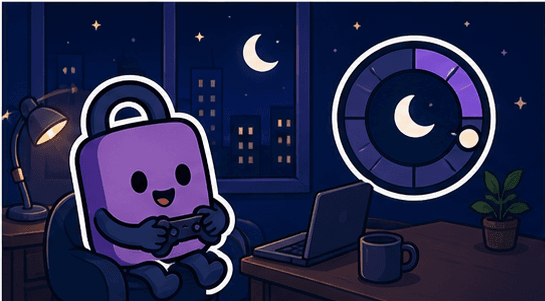
Do you try to fall asleep every night but can't until 2-3 AM, and then struggle terribly to wake up in the morning? If being a 'night owl' is seriously disrupting your daily life, you might have Delayed Sleep Phase Syndrome (DSPS).
What is Delayed Sleep Phase Syndrome (DSPS)?
Delayed Sleep Phase Syndrome (DSPS) is a type of circadian rhythm sleep disorder. Simply put, your biological clock is shifted 2 or more hours later than the typical social schedule.
People with DSPS can only fall asleep at late hours (usually 2-6 AM) regardless of their willpower, and their natural wake time is late morning or noon. Even if they try to sleep early, they can't, and waking up early causes extreme fatigue.
Key Point
DSPS isn't laziness or a habit problem—it's a medical condition where the biological clock timing itself is different. It's hard to fix through willpower alone.
Main Symptoms of DSPS
If these symptoms persist for 3 months or more, you should consider DSPS.
Chronic Sleep Onset Delay
Even when you lie down early to sleep, it takes 2+ hours to fall asleep, and you always end up sleeping at dawn.
Extreme Difficulty Waking Up
Even with multiple alarms, it's hard to wake up, and you feel groggy and dysfunctional for hours after waking.
Normal Sleep on Free Schedule
On weekends or vacations when you can sleep and wake freely, you sleep well and feel refreshed.
Chronic Fatigue and Daytime Sleepiness
Forcing yourself to wake early on weekdays accumulates sleep debt, causing severe fatigue and sleepiness during the day.
Depression and Poor Concentration
Chronic sleep deprivation leads to mood problems, concentration issues, and declining academic/work performance.
DSPS vs Regular Night Owl: What's the Difference?
Many people think 'I'm just naturally a night person,' but DSPS is a disorder, not just a preference.
True DSPS means your biological clock won't adjust no matter how hard you try to meet social obligations (school, work). Regular night owls can adjust with effort, but DSPS sufferers cannot.
Comparison
Causes of DSPS
The exact cause of DSPS isn't fully understood, but several factors are involved.
Genetic Factors
Variants in genes that regulate circadian rhythm (PER3, CLOCK, etc.) are linked to DSPS. It often runs in families.
Light Exposure Patterns
Exposure to bright light (especially blue light) in the evening while missing morning sunlight delays the biological clock further.
Puberty Hormone Changes
DSPS is most common in adolescents. Puberty hormones tend to delay sleep timing.
Delayed Melatonin Release
The sleep hormone melatonin starts being released later than in typical people.
DSPS Management and Treatment
DSPS is difficult to cure completely, but proper management can improve symptoms.
Light Therapy
Exposure to 10,000 lux bright light for 20-30 minutes immediately upon waking helps advance the biological clock.
Melatonin Supplementation
Taking low-dose melatonin (0.5-3mg) 4-6 hours before desired bedtime can make falling asleep easier.
Chronotherapy
Delaying bedtime by 2-3 hours each day to 'reset' the biological clock to the desired time zone.
Evening Light Restriction
Avoiding bright lights and blue light from devices 2-3 hours before bed can support melatonin production.
Consistent Sleep Schedule
Maintaining the same sleep/wake times even on weekends is crucial. Weekend sleep-ins further confuse the biological clock.
When to Seek Professional Help
Consider consulting a sleep specialist if:
Note
Sleep specialists can provide accurate diagnosis through sleep diaries, actigraphy (activity monitoring), and polysomnography.
Don't Struggle Alone
DSPS is not a willpower issue. Your biological clock timing is simply different. Don't blame yourself for being lazy.
With proper treatment and lifestyle management, symptoms can improve. If it's significantly impacting your daily life, seek professional help.
⚠️ Important Notice
This article is for informational purposes only and is not a substitute for professional medical advice, diagnosis, or treatment. If you suspect you have a sleep disorder or any health condition, please consult a doctor or sleep specialist.

Take the First Step to Better Sleep
Build healthy sleep habits with Good Night Lock.
Download Good Night LockRelated Articles
The Complete Guide to Insomnia: Causes, Symptoms, and Scientifically Proven Treatments
Do you find yourself staring at the ceiling every night, tossing and turning? Does it take you more than 30 minutes to fall asleep, or do you keep waking up in the early morning? Insomnia, experienced by 1 in 3 adults worldwide, isn't just about 'not being able to sleep.' Let's explore the scientific causes of insomnia through to evidence-based treatments.
Complete Guide to Narcolepsy: Symptoms, Causes, Diagnosis, and Treatment
Sudden overwhelming sleepiness, knees buckling while laughing... Narcolepsy isn't just 'being sleepy.' It's a neurological disorder caused by hypocretin deficiency. Learn everything about this condition that affects 1 in 2,000 people.
The Complete Guide to Snoring: Causes, Risks, and Solutions
Do you wake your partner every night with thunderous snoring? Or have you ever been startled awake by your own snoring? Snoring isn't just a noisy nuisance—it can be a signal of underlying health issues. About 40% of adults worldwide snore habitually, and some cases involve serious sleep apnea. Let's explore everything from the causes of snoring to effective treatments.
Orthosomnia: When Sleep Tracking Disrupts Your Sleep
Do you feel more anxious after checking your sleep score on your smartwatch? Has your pursuit of perfect sleep actually made it harder to sleep? This is 'Orthosomnia.' As sleep tracking devices become mainstream, we explore this modern sleep disorder that has emerged from our obsession with sleep data.
Why Can't I Sleep? Understanding Insomnia and Sleep Disorders
Lying in bed but can't fall asleep? Does trying harder to sleep only make you feel more awake? Learn about the causes and solutions to this common problem faced by many modern people.
Exploding Head Syndrome: When Your Brain Goes Bang at Night
Have you ever been jolted awake by a loud bang, crash, or explosion in your head, only to find everything is completely silent? You're not alone. This strange phenomenon is called Exploding Head Syndrome, and while it sounds alarming, it's more common than you might think.