Sleepy After Eating? It Might Not Be Food Coma—It Could Be Diabetes
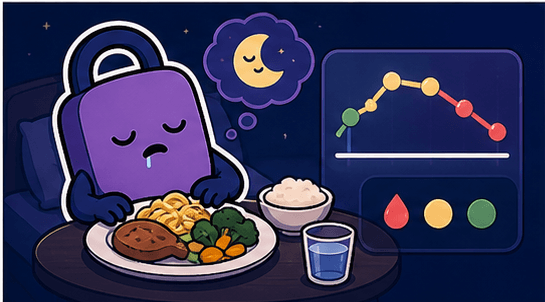
Do you feel drowsy after lunch? While it's easy to dismiss as just a food coma, excessive post-meal sleepiness could be a sign of blood sugar issues. Learn about the relationship between food coma and diabetes, and how to distinguish warning signs.
What is Food Coma?
Food coma is the drowsiness that occurs after eating. It happens because blood flow concentrates in the digestive system to process food, reducing blood flow to the brain.
Normal food coma lasts about 20-30 minutes and naturally fades. However, if you experience extreme drowsiness after every meal or it lasts more than an hour, you should consider other issues.
Pay Attention
If post-meal drowsiness is particularly severe or frequent, it could be a blood sugar regulation issue rather than simple food coma.
The Relationship Between Food Coma and Blood Sugar
Post-meal drowsiness and blood sugar are closely related.
Blood Sugar Spike
Eating carbohydrate-rich foods causes blood sugar to rise rapidly. In response, large amounts of insulin are released, causing blood sugar to drop sharply, which triggers strong drowsiness.
Insulin Resistance
With insulin resistance, blood sugar regulation doesn't work properly, making post-meal drowsiness worse. This could be an early symptom of prediabetes or type 2 diabetes.
Reactive Hypoglycemia
This is when excessive insulin release causes blood sugar to drop below normal levels. It causes extreme drowsiness, fatigue, and difficulty concentrating.
Symptoms That Suggest Diabetes
If these symptoms accompany your drowsiness, check your blood sugar levels.
Frequent Thirst and Urination
Drinking lots of water and frequent bathroom visits are classic diabetes symptoms.
Unexplained Weight Changes
Losing weight without dieting, or gaining weight easily despite not eating more.
Slow Wound Healing
Small wounds taking a long time to heal or frequent infections.
Blurry Vision
Temporary blurry vision caused by blood sugar fluctuations.
Tingling in Hands and Feet
Numbness or tingling sensation in extremities due to nerve damage.
Lifestyle Habits to Reduce Food Coma
Prevent food coma with healthy eating habits.
Reduce Carbohydrates
Choose brown rice, whole grains instead of white rice, bread, and noodles. Low GI foods raise blood sugar slowly.
Eat with Protein
Don't eat carbs alone—combine them with protein and healthy fats to slow blood sugar rise.
Eat Moderate Portions
Overeating causes blood sugar spikes. Aim to fill your stomach only 70-80%.
Light Exercise After Meals
A 10-15 minute walk after lunch effectively lowers blood sugar and reduces drowsiness.
Get Enough Sleep
Sleep deprivation increases insulin resistance. Get 7-8 hours of quality sleep.
Regular Meal Times
Irregular eating makes blood sugar regulation difficult. Develop a habit of eating at set times.
When to See a Doctor
Get your blood sugar tested if:
- Extreme drowsiness lasting 30+ minutes after every meal
- Food coma accompanied by thirst and frequent urination
- Family history of diabetes
- Being overweight or obese
- Age 40+ with elevated fasting blood sugar in health checkups
Healthy Blood Sugar, Energetic Afternoons
Food coma is a natural phenomenon everyone experiences, but if it's excessively severe, it could be a warning signal from your body.
Stabilize your blood sugar with healthy eating and lifestyle habits, and consult a specialist if you have concerning symptoms.
⚠️ Important Notice
This article is for informational purposes only and is not a substitute for professional medical advice, diagnosis, or treatment. If you suspect you have a sleep disorder or any health condition, please consult a doctor or sleep specialist.

Take the First Step to Better Sleep
Build healthy sleep habits with Good Night Lock.
Download Good Night LockRelated Articles
Why Is It So Hard to Wake Up in the Morning? Understanding Sleep Inertia
Do you find yourself hitting the snooze button multiple times every morning? Feel like you need an extra hour of sleep no matter how long you slept? You're experiencing sleep inertia - a fascinating phenomenon that affects millions of people worldwide.
Why Alcohol Disrupts Your Sleep (Even Though It Makes You Drowsy)
After a drink or two, you might feel relaxed and sleepy—perfect for bedtime, right? Not quite. While alcohol can make you drowsy initially, it actually sabotages your sleep quality in ways that leave you feeling tired the next day. Let's uncover the science behind alcohol's complex relationship with sleep.
The Napoleon Sleep Method: The Truth About 4-Hour Sleep
Have you heard the story about Napoleon, the great conqueror, who exercised powerful leadership while sleeping only 4 hours a day? Is this sleep method really effective? And did Napoleon actually use this method?
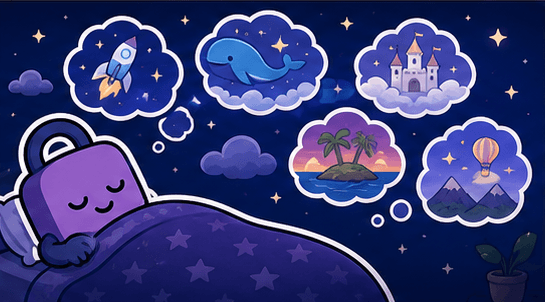
Why Do We Dream So Often? The Science Behind Frequent Dreams
Why do we have vivid dreams on some nights while remembering nothing on others? Let's explore the science of dreams to understand why we dream and how we can enjoy more restful nights.
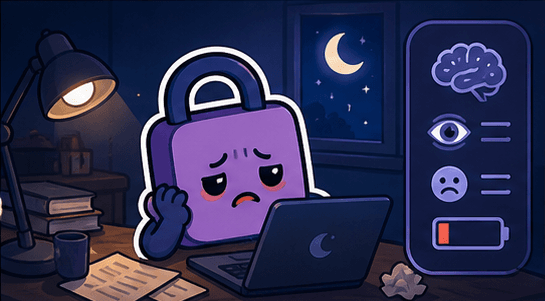
The Science of Pulling an All-Nighter: How 24 Hours Without Sleep Affects Your Body and Brain
Cramming for an exam, racing against a project deadline, or staying up all night with friends—we've all been there. But what actually happens to your body and brain when you go a full 24 hours without sleep? Let's explore the science behind all-nighters and learn how to handle them when they're truly unavoidable.
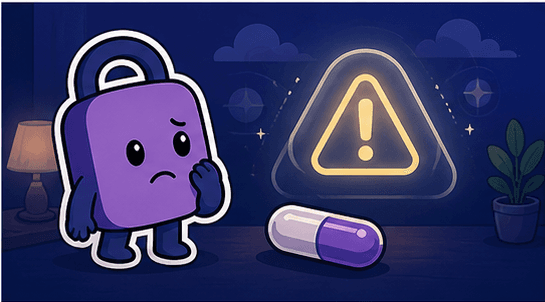
Melatonin Side Effects: What to Know About 5mg & 10mg Doses
Melatonin is a natural hormone and popular sleep aid that helps millions get better rest. However, different dosages can come with various side effects. Let's explore how melatonin works, what side effects to watch for at different doses, and how to use it safely.