4 Hours of Sleep: What It Really Does to Your Health
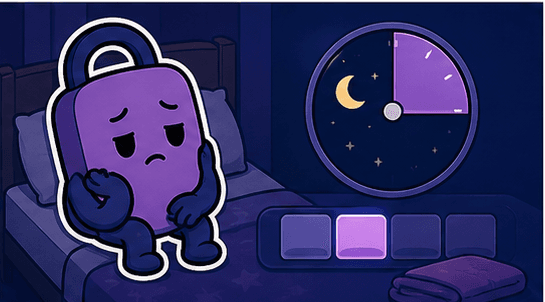
In our fast-paced world, many people believe they can function on just 4 hours of sleep. Some even wear their minimal sleep as a badge of honor. But what does science say about surviving on such limited rest? This article explores the real impact of chronic sleep deprivation and why 4 hours simply isn't enough for most people.
The Myth of the 'Short Sleeper'
While some claim to thrive on minimal sleep, true short sleepers are extremely rare. Research shows that less than 1% of the population has the genetic mutation that allows them to function normally on less than 6 hours of sleep.
Genetic Rarity
The DEC2 gene mutation that enables true short sleep affects fewer than 1 in 100 people. Most people who think they're short sleepers are actually chronically sleep-deprived.
Adaptation Illusion
People often believe they've adapted to less sleep, but studies show their cognitive performance continues to decline even when they feel fine.
Sleep Debt Accumulation
Every night of inadequate sleep adds to your sleep debt, which accumulates over time and cannot be fully repaid by occasional long sleeps.
Subjective vs Objective Performance
Self-assessment of alertness becomes unreliable after sleep deprivation. People consistently overestimate their performance when sleep-deprived.
Immediate Effects on Your Body
Even one night of only 4 hours of sleep triggers a cascade of negative effects throughout your body. These effects begin immediately and worsen with continued sleep restriction.
Impaired Cognitive Function
After just one night of 4-hour sleep, your attention span, decision-making ability, and reaction time are significantly impaired. Studies compare this to being legally drunk.
Hormonal Disruption
Cortisol levels rise while growth hormone production drops. This imbalance affects everything from your mood to your ability to build muscle and repair tissue.
Immune System Suppression
Your immune system's ability to fight off infections drops by up to 70% after a night of poor sleep, making you more susceptible to illness.
Increased Appetite
Sleep deprivation increases ghrelin (hunger hormone) and decreases leptin (satiety hormone), leading to increased cravings, especially for high-calorie foods.
Mood Instability
The amygdala becomes hyperactive while the prefrontal cortex function decreases, resulting in increased emotional reactivity and difficulty regulating emotions.
Long-Term Health Consequences
Chronic sleep deprivation of 4 hours or less per night has serious long-term consequences that affect virtually every system in your body.
Cardiovascular Disease
Regularly sleeping less than 6 hours increases your risk of heart attack, stroke, and high blood pressure by 48%. Your heart needs sleep to repair and recover.
Type 2 Diabetes Risk
Sleep deprivation reduces insulin sensitivity, making it harder for your body to regulate blood sugar. Just one week of 4-hour nights can put you in a pre-diabetic state.
Obesity
People who regularly sleep less than 5 hours are 73% more likely to be obese. Hormonal changes and increased appetite make weight management extremely difficult.
Cognitive Decline
Chronic short sleep is linked to accelerated cognitive decline and increased risk of dementia and Alzheimer's disease. The brain needs sleep to clear toxic proteins.
Shortened Lifespan
Studies consistently show that adults who sleep less than 5 hours per night have significantly higher mortality rates from all causes.
Impact on Daily Performance
Beyond health, 4-hour sleep dramatically affects your ability to function in daily life, from work productivity to personal relationships.
Workplace Errors
Sleep-deprived workers make more mistakes, have more accidents, and are less productive. The economic cost of insufficient sleep is estimated at billions annually.
Driving Danger
Drowsy driving causes thousands of fatal accidents each year. After 4 hours of sleep, your driving impairment is similar to being over the legal alcohol limit.
Learning and Memory
Sleep is essential for memory consolidation. With only 4 hours, your ability to learn new information and retain it is severely compromised.
Relationship Strain
Sleep deprivation increases irritability and reduces empathy, making it harder to maintain healthy relationships with family, friends, and colleagues.
Famous 'Short Sleepers' Reality Check
Many successful people claim to sleep very little, but research suggests these claims may be exaggerated or compensated in other ways.
Napping Compensation
Some famous short sleepers like Leonardo da Vinci and Thomas Edison were known to take multiple naps throughout the day, bringing their total sleep closer to normal.
Survivorship Bias
We hear about successful short sleepers, not the many more who failed due to sleep deprivation. Success despite poor sleep doesn't mean because of it.
Reconsideration
Many executives who once boasted about minimal sleep have publicly reversed their stance after learning about the health consequences and improving their performance with more rest.
What Your Body Actually Needs
Science is clear about the amount of sleep most adults need for optimal health and performance.
Adult Requirement
Most adults need 7-9 hours of sleep per night. This isn't a luxury or a sign of laziness, it's a biological necessity for proper function.
Quality Matters
Sleep quality is as important as quantity. 7 hours of uninterrupted, deep sleep is more restorative than 9 hours of fragmented, light sleep.
Consistency
Regular sleep schedules, going to bed and waking up at the same time daily, are crucial for optimal sleep quality and daytime alertness.
Individual Variation
While there's some individual variation in sleep needs, almost no one truly functions well on 4 hours. If you think you do, you may not be aware of your impairment.
The Bottom Line: Sleep Is Not Optional
The evidence is overwhelming, 4 hours of sleep is not enough for virtually anyone. What may feel like adaptation is actually chronic impairment that affects your health, safety, and quality of life.
Rather than viewing sleep as time stolen from productivity, recognize it as an essential investment in your health and performance. The most successful approach isn't to sleep less, but to make your waking hours more efficient while protecting your sleep time.
⚠️ Important Notice
This article is for informational purposes only and is not a substitute for professional medical advice, diagnosis, or treatment. If you suspect you have a sleep disorder or any health condition, please consult a doctor or sleep specialist.

Take the First Step to Better Sleep
Build healthy sleep habits with Good Night Lock.
Download Good Night LockRelated Articles
Why Is It So Hard to Wake Up in the Morning? Understanding Sleep Inertia
Do you find yourself hitting the snooze button multiple times every morning? Feel like you need an extra hour of sleep no matter how long you slept? You're experiencing sleep inertia - a fascinating phenomenon that affects millions of people worldwide.
Why Alcohol Disrupts Your Sleep (Even Though It Makes You Drowsy)
After a drink or two, you might feel relaxed and sleepy—perfect for bedtime, right? Not quite. While alcohol can make you drowsy initially, it actually sabotages your sleep quality in ways that leave you feeling tired the next day. Let's uncover the science behind alcohol's complex relationship with sleep.
The Napoleon Sleep Method: The Truth About 4-Hour Sleep
Have you heard the story about Napoleon, the great conqueror, who exercised powerful leadership while sleeping only 4 hours a day? Is this sleep method really effective? And did Napoleon actually use this method?
Why Do We Dream So Often? The Science Behind Frequent Dreams
Why do we have vivid dreams on some nights while remembering nothing on others? Let's explore the science of dreams to understand why we dream and how we can enjoy more restful nights.
The Science of Pulling an All-Nighter: How 24 Hours Without Sleep Affects Your Body and Brain
Cramming for an exam, racing against a project deadline, or staying up all night with friends—we've all been there. But what actually happens to your body and brain when you go a full 24 hours without sleep? Let's explore the science behind all-nighters and learn how to handle them when they're truly unavoidable.
Melatonin Side Effects: What to Know About 5mg & 10mg Doses
Melatonin is a natural hormone and popular sleep aid that helps millions get better rest. However, different dosages can come with various side effects. Let's explore how melatonin works, what side effects to watch for at different doses, and how to use it safely.