Why Am I Seeing Things? Hallucinations May Be Caused By Sleep Deprivation
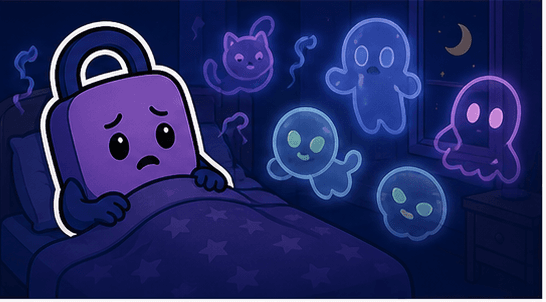
If you've ever seen something that wasn't there or heard voices when alone, you might have experienced a hallucination. While hallucinations can be frightening, they're often linked to a surprisingly common cause: lack of sleep. Understanding the connection between sleep deprivation and hallucinations can help you address the root cause and protect your mental health.
What Are Hallucinations?
Hallucinations are sensory experiences that seem real but are created by your mind. They can affect any of your five senses - you might see things that aren't there (visual hallucinations), hear sounds or voices (auditory hallucinations), feel sensations on your skin (tactile hallucinations), smell odors (olfactory hallucinations), or taste things (gustatory hallucinations).
The most common types are visual and auditory hallucinations. You might see shadows moving in your peripheral vision, notice figures that disappear when you look directly at them, or hear your name being called when no one is around.
Key Point:
Hallucinations are more common than you think. Studies show that about 5-15% of people experience hallucinations at some point in their lives, often during periods of extreme stress or sleep deprivation.
How Sleep Deprivation Causes Hallucinations
Your brain needs sleep to function properly. During sleep, your brain consolidates memories, processes emotions, and clears out metabolic waste. When you don't get enough sleep, these processes are disrupted, leading to cognitive dysfunction.
After 24 hours without sleep, your brain starts to show signs of impairment similar to being intoxicated. After 48-72 hours, hallucinations can begin. Your brain's ability to distinguish between reality and imagination becomes compromised, leading to false perceptual experiences.
Sleep deprivation affects the visual cortex and temporal lobes, areas responsible for processing sensory information. When these regions malfunction due to lack of rest, they can generate false sensory signals that your conscious mind interprets as real experiences.
Warning Signs:
- •• Seeing shadows or movements in peripheral vision
- •• Hearing voices or sounds that others don't hear
- •• Feeling like someone is touching you when alone
- •• Difficulty distinguishing dreams from reality
- •• Increased paranoia or anxiety
Hypnagogic and Hypnopompic Hallucinations
Even people who get adequate sleep can experience hallucinations during two specific times: while falling asleep (hypnagogic hallucinations) or while waking up (hypnopompic hallucinations). These are actually quite common and usually harmless.
During these transitions between wakefulness and sleep, your brain is in a unique state. Parts of your brain responsible for dreaming may activate while you're still partially conscious, causing you to perceive dream imagery as real.
Common experiences include seeing faces or figures in the dark, hearing footsteps or voices, feeling a presence in the room, or experiencing the sensation of falling. These hallucinations are more likely to occur when you're sleep deprived, stressed, or have irregular sleep schedules.
Helpful Tip:
If you experience these transitional hallucinations, try to stay calm. Remember they're temporary and will pass within seconds to minutes. Maintaining a consistent sleep schedule can reduce their frequency.
Other Causes of Hallucinations
While sleep deprivation is a common cause, hallucinations can also result from various other factors. It's important to consider these possibilities, especially if good sleep doesn't resolve the issue.
Other Potential Causes:
- •• Mental health conditions (schizophrenia, bipolar disorder, severe depression)
- •• Neurological disorders (Parkinson's disease, Alzheimer's, epilepsy)
- •• Substance use or withdrawal (alcohol, drugs, certain medications)
- •• Medical conditions (high fever, migraines, delirium)
- •• Sensory deprivation or overload
- •• Extreme stress or trauma
If you're experiencing frequent hallucinations despite getting adequate sleep, or if they're accompanied by other concerning symptoms, it's crucial to consult a healthcare professional for proper evaluation.
How to Prevent Sleep-Related Hallucinations
The good news is that if your hallucinations are caused by sleep deprivation, they're preventable and reversible. Here's how to protect yourself:
Prevention Strategies:
- •• Prioritize Sleep: Aim for 7-9 hours of quality sleep each night
- •• Maintain Consistency: Go to bed and wake up at the same time daily
- •• Create a Sleep-Friendly Environment: Dark, quiet, cool bedroom
- •• Limit Stimulants: Avoid caffeine and screens before bedtime
- •• Manage Stress: Practice relaxation techniques like meditation or deep breathing
- •• Exercise Regularly: But not too close to bedtime
- •• Avoid Alcohol: It disrupts sleep quality even if it helps you fall asleep
If you've gone without sleep for an extended period and start experiencing hallucinations, the immediate solution is to get sleep as soon as safely possible. Most sleep-deprivation hallucinations resolve within hours to days of resuming normal sleep patterns.
When to Seek Help
While occasional hallucinations related to sleep transitions or brief sleep deprivation are usually harmless, certain situations require professional attention. Seek medical help if you experience frequent hallucinations that aren't clearly linked to lack of sleep, if hallucinations persist despite adequate rest, or if they're accompanied by other symptoms like confusion, mood changes, or difficulty functioning.
Your doctor can help determine whether your hallucinations are sleep-related or if there's another underlying cause that needs treatment. They may recommend a sleep study, neurological evaluation, or psychological assessment depending on your symptoms.
Remember, your brain needs sleep to function properly. Hallucinations are often your body's way of telling you that something is wrong. By prioritizing good sleep hygiene and addressing sleep problems early, you can protect both your physical and mental health.
⚠️ Important Notice
This article is for informational purposes only and is not a substitute for professional medical advice, diagnosis, or treatment. If you suspect you have a sleep disorder or any health condition, please consult a doctor or sleep specialist.

Take the First Step to Better Sleep
Build healthy sleep habits with Good Night Lock.
Download Good Night LockRelated Articles
Why Is It So Hard to Wake Up in the Morning? Understanding Sleep Inertia
Do you find yourself hitting the snooze button multiple times every morning? Feel like you need an extra hour of sleep no matter how long you slept? You're experiencing sleep inertia - a fascinating phenomenon that affects millions of people worldwide.
Why Alcohol Disrupts Your Sleep (Even Though It Makes You Drowsy)
After a drink or two, you might feel relaxed and sleepy—perfect for bedtime, right? Not quite. While alcohol can make you drowsy initially, it actually sabotages your sleep quality in ways that leave you feeling tired the next day. Let's uncover the science behind alcohol's complex relationship with sleep.
The Napoleon Sleep Method: The Truth About 4-Hour Sleep
Have you heard the story about Napoleon, the great conqueror, who exercised powerful leadership while sleeping only 4 hours a day? Is this sleep method really effective? And did Napoleon actually use this method?
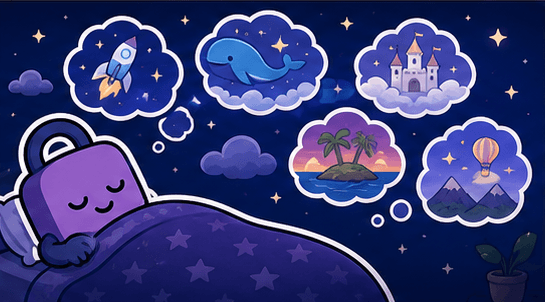
Why Do We Dream So Often? The Science Behind Frequent Dreams
Why do we have vivid dreams on some nights while remembering nothing on others? Let's explore the science of dreams to understand why we dream and how we can enjoy more restful nights.
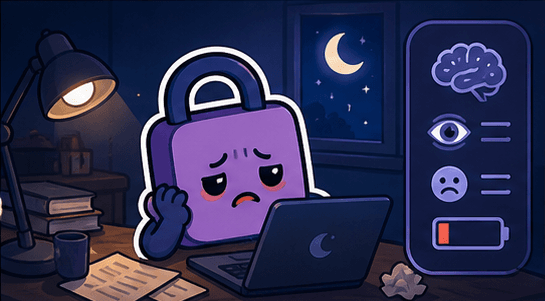
The Science of Pulling an All-Nighter: How 24 Hours Without Sleep Affects Your Body and Brain
Cramming for an exam, racing against a project deadline, or staying up all night with friends—we've all been there. But what actually happens to your body and brain when you go a full 24 hours without sleep? Let's explore the science behind all-nighters and learn how to handle them when they're truly unavoidable.
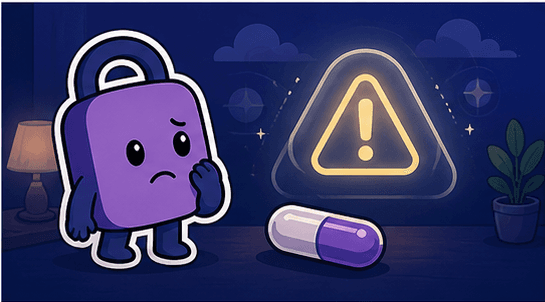
Melatonin Side Effects: What to Know About 5mg & 10mg Doses
Melatonin is a natural hormone and popular sleep aid that helps millions get better rest. However, different dosages can come with various side effects. Let's explore how melatonin works, what side effects to watch for at different doses, and how to use it safely.