Sudden Heart Palpitations? It Might Be Sleep Deprivation
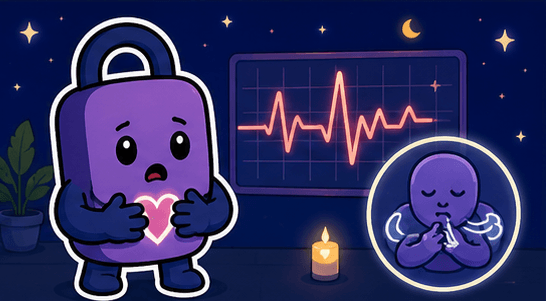
Have you ever experienced your heart suddenly racing or pounding? While many people immediately worry about heart disease, sleep deprivation could actually be one of the major causes of heart palpitations. Today, let's explore the close relationship between sleep and heart health.
What Are Heart Palpitations?
Heart palpitations refer to the sensation of a fast, pounding, or fluttering heartbeat. You might feel your heart racing in your chest, notice your pulse in your neck, or feel like your heart is skipping beats.
Most palpitations are temporary and harmless, but if they occur repeatedly or are accompanied by other symptoms, it's important to identify the cause.
How Sleep Deprivation Affects Your Heart
Sleep deprivation causes various types of stress on your body, with particularly significant effects on the cardiovascular system.
Sympathetic Nervous System Activation
Lack of sleep overactivates the sympathetic nervous system, increasing heart rate and blood pressure.
Increased Stress Hormones
Stress hormones like cortisol and adrenaline increase, putting strain on your heart.
Increased Inflammation
Chronic sleep deprivation raises inflammation levels in the body, harming cardiovascular health.
Reduced Heart Rate Variability
Sleep deprivation decreases heart rate variability (HRV), making it harder for your heart to respond appropriately to stress.
How Much Sleep Deprivation Becomes a Problem?
Research shows that people who sleep less than 6 hours a night have a significantly higher chance of experiencing heart palpitations.
Especially when sleep deprivation continues for several days in a row, heart rhythm can become irregular.
48% increased risk of palpitations with 5 hours or less of sleep
2x higher rate of heart rhythm abnormalities with poor sleep quality
50% of sleep apnea patients experience arrhythmias
Other Causes Beyond Sleep Deprivation
Heart palpitations can also be caused by various factors besides sleep deprivation.
Excessive Caffeine Intake
Caffeine in coffee, energy drinks, and green tea can increase heart rate.
Stress and Anxiety
Mental stress stimulates adrenaline release, causing heart palpitations.
Dehydration
Lack of fluids decreases blood volume, causing the heart to beat faster.
Hyperthyroidism
Excessive thyroid hormone secretion increases heart rate.
Anemia
When oxygen-carrying capacity decreases, the heart compensates by beating faster.
Protecting Heart Health Through Better Sleep
Improving sleep quality can significantly reduce palpitation symptoms. Try implementing these methods.
Maintain a Regular Sleep Schedule
Going to bed and waking up at the same time every day stabilizes your circadian rhythm and supports heart health.
Limit Screen Time Before Bed
Blue light suppresses melatonin production, reducing sleep quality.
Limit Caffeine Intake
Avoid caffeine after 2 PM for better sleep.
Create a Proper Sleep Environment
A dark, cool, and quiet environment promotes deep sleep.
Pre-Bedtime Relaxation Routine
A warm bath, meditation, or light stretching activates the parasympathetic nervous system and calms your heart.
When Should You See a Doctor?
Most heart palpitations can be resolved through lifestyle changes, but you should consult a specialist if you experience the following symptoms.
Chest pain or pressure
Difficulty breathing
Dizziness or fainting
Rapid heartbeat lasting more than 15 minutes
Irregular heartbeat that persists even at rest
These symptoms could signal arrhythmia or other heart conditions, so don't take them lightly.
Healthy Sleep Makes a Healthy Heart
Now you know that sudden heart palpitations could be caused by sleep deprivation.
Getting 7-9 hours of adequate sleep and maintaining regular sleep habits is the most basic yet effective way to protect your heart health. Start getting enough sleep tonight and reclaim your healthy heart!
⚠️ Important Notice
This article is for informational purposes only and is not a substitute for professional medical advice, diagnosis, or treatment. If you suspect you have a sleep disorder or any health condition, please consult a doctor or sleep specialist.

Take the First Step to Better Sleep
Build healthy sleep habits with Good Night Lock.
Download Good Night LockRelated Articles
Complete Guide to Sleep Apnea: Symptoms, Causes, Diagnosis, and Treatment
Do you sleep enough at night but still feel tired in the morning? Does your partner complain about your loud snoring? Have you ever woken up gasping for air? These symptoms could be signs of 'sleep apnea.' Let's learn about this common yet dangerous sleep disorder that affects approximately 20% of adults.
Complete Guide to REM Sleep Behavior Disorder: Why You Scream or Kick While Sleeping
Has your partner ever suddenly screamed, swung their fists, or jumped out of bed while sleeping? Or have you woken up from a vivid nightmare to find yourself hitting a wall? This could be 'REM Sleep Behavior Disorder (RBD)'. Let's explore this unusual sleep disorder.
Complete GABA Guide: Effects on Sleep and Proper Intake
Have you searched for GABA supplements because you can't sleep? 'Natural sedative', 'stress relief', 'sleep improvement'... The ads are flashy, but do they really work? Let's explore GABA's impact on sleep and the scientific evidence.
Complete Guide to Ecklonia Cava Benefits: Effects on Sleep and Scientific Evidence
Have you heard about 'Ecklonia cava extract' gaining attention as a sleep supplement? Can this brown seaweed growing along Korean and Japanese coasts really help with sleep? Let's explore the sleep benefits of Ecklonia cava extract with scientific research.
Sleep and Disc Health: Why Poor Sleep Causes Back Pain
Do you wake up with a stiff or aching back? Learn how your sleep position and mattress affect spinal health, and discover the right sleeping methods for those with disc problems.
Why Your Back Hurts When You Wake Up: Causes and Solutions
Waking up with a stiff, aching back is something many of us experience. Why does back pain occur even after a full night's sleep? In this article, we explore the causes of morning back pain and effective solutions to fix it.