Hypersomnia vs Narcolepsy: Are They the Same Condition?
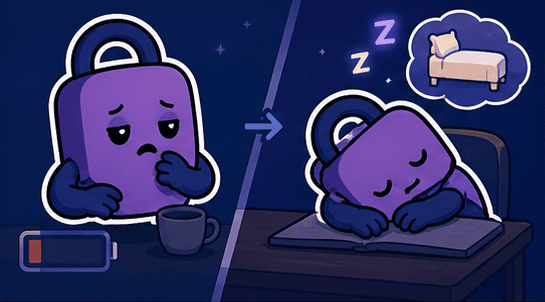
If you're always sleepy despite sleeping enough, is it hypersomnia or narcolepsy? Many people confuse these two conditions, but they have different causes, symptoms, and treatments. If excessive sleepiness is affecting your daily life, understanding the differences is crucial for getting proper treatment.
What is Hypersomnia?
Hypersomnia is a condition characterized by persistent excessive daytime sleepiness despite getting adequate sleep. Even sleeping 10+ hours at night doesn't provide refreshment, and you constantly battle drowsiness throughout the day.
Extended Sleep Duration
Sleeping 10-12+ hours at night without feeling rested.
Sleep Inertia
Extreme difficulty waking up in the morning, with prolonged grogginess after awakening.
Unrefreshing Naps
Long naps don't provide relief and may even increase fatigue.
Cognitive Impairment
Memory problems, difficulty concentrating, and 'brain fog'.
What is Narcolepsy?
Narcolepsy is a neurological disorder caused by dysfunction in the brain's arousal regulation system. It presents with sudden sleep attacks along with characteristic symptoms.
Sleep Attacks
Sudden, irresistible urge to sleep regardless of time or place.
Cataplexy
Sudden muscle weakness triggered by strong emotions like laughter or surprise.
Sleep Paralysis
Inability to move when falling asleep or waking up.
Hypnagogic Hallucinations
Vivid hallucinations when falling asleep or waking.
Key Differences Compared
Difference in Causes
Causes of Hypersomnia
- •Idiopathic (unknown cause): Most common form
- •Other sleep disorders: Sleep apnea, restless leg syndrome, etc.
- •Psychiatric causes: Depression, bipolar disorder
- •Neurological causes: Brain injury, tumors, multiple sclerosis
- •Medication side effects: Sedatives, antihistamines, antidepressants
Causes of Narcolepsy
- •Hypocretin deficiency: Lack of hormone that regulates wakefulness
- •Autoimmune reaction: Destruction of hypocretin-producing cells
- •Genetic factors: Associated with HLA-DQB1*06:02 gene
- •Brain injury: Rarely caused by hypothalamic damage
- •Infection: Can occur after certain viral infections
Diagnostic Methods
Both conditions require specialized sleep testing for accurate diagnosis.
Polysomnography (PSG)
Overnight test measuring brain waves, breathing, and muscle activity to analyze sleep quality and structure.
Multiple Sleep Latency Test (MSLT)
Tests how quickly you fall asleep and whether REM sleep occurs during 4-5 daytime nap opportunities.
Hypocretin Test
Measures hypocretin levels in cerebrospinal fluid to confirm Type 1 narcolepsy.
Epworth Sleepiness Scale
Questionnaire to quantify daytime sleepiness levels.
Different Treatment Approaches
Hypersomnia Treatment
- •Stimulants: Modafinil, armodafinil to improve daytime alertness
- •Lifestyle changes: Maintaining regular sleep schedule
- •Treating underlying cause: Addressing depression or other conditions
- •Strategic napping: Planning short naps at set times
Narcolepsy Treatment
- •Stimulants: Modafinil, pitolisant for daytime sleepiness control
- •Cataplexy treatment: Sodium oxybate, antidepressants
- •Scheduled naps: 1-2 short naps (15-20 min) per day
- •Lifestyle management: Regular schedule, stress management
Daily Life Management Tips
Regular Sleep Schedule
Go to bed and wake up at the same time daily to maintain circadian rhythm.
Strategic Napping
Plan short naps before sleepiness becomes overwhelming.
Use Caffeine Wisely
Consume caffeine in the morning, avoid in the afternoon.
Exercise Regularly
Regular physical activity improves sleep quality and alertness.
Inform Others
Explain your condition to family and coworkers for understanding and support.
Driving Caution
Avoid driving when very sleepy and take breaks during long drives.
When to See a Specialist
- •Excessive sleepiness persisting for 3+ months despite adequate sleep
- •Recurring sudden sleep attacks
- •Muscle weakness when experiencing emotions
- •Sleep paralysis or hypnagogic hallucinations
- •Sleepiness interfering with work, school, or driving
Accurate Diagnosis is the Start of Effective Treatment
While hypersomnia and narcolepsy may seem similar, they have different causes and treatments. Don't dismiss excessive sleepiness as just being tired—if it persists, consult a sleep specialist.
With proper diagnosis, appropriate treatment can help you regain your daily vitality. Take care of your sleep health for a better quality of life.
⚠️ Important Notice
This article is for informational purposes only and is not a substitute for professional medical advice, diagnosis, or treatment. If you suspect you have a sleep disorder or any health condition, please consult a doctor or sleep specialist.

Take the First Step to Better Sleep
Build healthy sleep habits with Good Night Lock.
Download Good Night LockRelated Articles
The Complete Guide to Insomnia: Causes, Symptoms, and Scientifically Proven Treatments
Do you find yourself staring at the ceiling every night, tossing and turning? Does it take you more than 30 minutes to fall asleep, or do you keep waking up in the early morning? Insomnia, experienced by 1 in 3 adults worldwide, isn't just about 'not being able to sleep.' Let's explore the scientific causes of insomnia through to evidence-based treatments.
Complete Guide to Narcolepsy: Symptoms, Causes, Diagnosis, and Treatment
Sudden overwhelming sleepiness, knees buckling while laughing... Narcolepsy isn't just 'being sleepy.' It's a neurological disorder caused by hypocretin deficiency. Learn everything about this condition that affects 1 in 2,000 people.
The Complete Guide to Snoring: Causes, Risks, and Solutions
Do you wake your partner every night with thunderous snoring? Or have you ever been startled awake by your own snoring? Snoring isn't just a noisy nuisance—it can be a signal of underlying health issues. About 40% of adults worldwide snore habitually, and some cases involve serious sleep apnea. Let's explore everything from the causes of snoring to effective treatments.
Orthosomnia: When Sleep Tracking Disrupts Your Sleep
Do you feel more anxious after checking your sleep score on your smartwatch? Has your pursuit of perfect sleep actually made it harder to sleep? This is 'Orthosomnia.' As sleep tracking devices become mainstream, we explore this modern sleep disorder that has emerged from our obsession with sleep data.
Awake Until Dawn? It Could Be Delayed Sleep Phase Syndrome (DSPS)
Do you try to fall asleep every night but can't until 2-3 AM, and then struggle terribly to wake up in the morning? If being a 'night owl' is seriously disrupting your daily life, you might have Delayed Sleep Phase Syndrome (DSPS).
Why Can't I Sleep? Understanding Insomnia and Sleep Disorders
Lying in bed but can't fall asleep? Does trying harder to sleep only make you feel more awake? Learn about the causes and solutions to this common problem faced by many modern people.