Insomnia: How It Diminishes Your Quality of Life
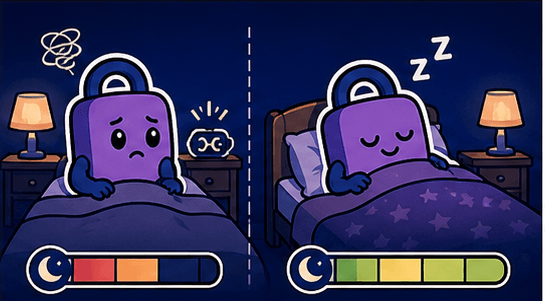
Insomnia is more than just difficulty sleeping—it's a condition that can profoundly impact every aspect of your daily life. From work performance to personal relationships, the effects of chronic sleeplessness extend far beyond feeling tired. Understanding how insomnia affects your quality of life is the first step toward reclaiming restful nights.
What Is Insomnia?
Insomnia is a sleep disorder characterized by difficulty falling asleep, staying asleep, or waking up too early and being unable to return to sleep. While occasional sleeplessness is normal, chronic insomnia—occurring at least three nights per week for three months or more—can significantly impact your health and well-being.
There are two main types of insomnia: primary insomnia, which occurs independently without any underlying health condition, and secondary insomnia, which is linked to other health issues such as depression, anxiety, chronic pain, or medication side effects.
Key Insight
Approximately 30% of adults experience symptoms of insomnia, and 10% suffer from chronic insomnia. Women and older adults are more commonly affected.
Physical Health Impacts
Chronic insomnia doesn't just leave you feeling tired—it can have serious consequences for your physical health that accumulate over time.
Weakened Immune System
Sleep deprivation reduces your body's production of protective cytokines and infection-fighting antibodies, making you more susceptible to illnesses.
Cardiovascular Risk
Chronic insomnia is associated with increased risk of high blood pressure, heart disease, and stroke due to elevated stress hormones.
Weight Gain
Poor sleep disrupts hormones that regulate appetite, leading to increased hunger and cravings for high-calorie foods.
Chronic Pain
Insomnia can lower your pain threshold and worsen conditions like fibromyalgia, arthritis, and back pain.
Mental Health Consequences
The relationship between insomnia and mental health is bidirectional—each condition can cause and worsen the other, creating a challenging cycle to break.
Depression
People with insomnia are 10 times more likely to develop depression. Lack of sleep affects neurotransmitters that regulate mood.
Anxiety
Sleep deprivation heightens the brain's anticipatory reactions, making you more prone to anxiety and worry about future events.
Cognitive Decline
Memory consolidation, learning, and decision-making abilities are all impaired when you don't get adequate sleep.
Emotional Instability
Insomnia reduces your ability to regulate emotions, leading to increased irritability, mood swings, and difficulty coping with stress.
Impact on Daily Life
Insomnia's effects extend into every corner of your waking hours, affecting your productivity, relationships, and overall enjoyment of life.
Work Performance
Insomnia leads to decreased concentration, more errors, reduced creativity, and lower productivity. Studies show it costs employers billions annually in lost productivity.
Relationships
Sleep deprivation makes you less patient, more irritable, and less emotionally available for your loved ones, straining personal connections.
Safety Risks
Drowsy driving causes thousands of accidents yearly. Insomnia also increases workplace injuries and errors in judgment.
Quality Time
Fatigue robs you of energy for hobbies, exercise, and social activities, leaving you feeling disconnected from the things you enjoy.
Common Causes of Insomnia
Understanding what triggers your insomnia is crucial for finding effective solutions. Common causes include:
Steps Toward Better Sleep
While overcoming insomnia may take time, there are proven strategies that can help you break the cycle and improve your sleep quality.
Establish a Sleep Routine
Go to bed and wake up at the same time every day, even on weekends, to regulate your body's internal clock.
Create a Sleep Sanctuary
Keep your bedroom dark, quiet, cool, and reserved only for sleep and intimacy.
Limit Screen Time
Avoid phones, computers, and TVs for at least an hour before bed to reduce blue light exposure.
Seek Professional Help
If insomnia persists, consult a healthcare provider. Cognitive behavioral therapy for insomnia (CBT-I) is highly effective.
Reclaim Your Quality of Life
Insomnia doesn't have to define your daily experience. By understanding its wide-ranging effects on your physical health, mental well-being, and daily functioning, you can take meaningful steps toward better sleep.
Remember, seeking help is a sign of strength, not weakness. With the right approach and support, restful nights and more vibrant days are within your reach.
⚠️ Important Notice
This article is for informational purposes only and is not a substitute for professional medical advice, diagnosis, or treatment. If you suspect you have a sleep disorder or any health condition, please consult a doctor or sleep specialist.

Take the First Step to Better Sleep
Build healthy sleep habits with Good Night Lock.
Download Good Night LockRelated Articles
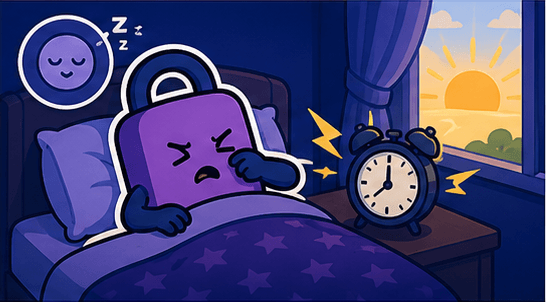
Why Is It So Hard to Wake Up in the Morning? Understanding Sleep Inertia
Do you find yourself hitting the snooze button multiple times every morning? Feel like you need an extra hour of sleep no matter how long you slept? You're experiencing sleep inertia - a fascinating phenomenon that affects millions of people worldwide.
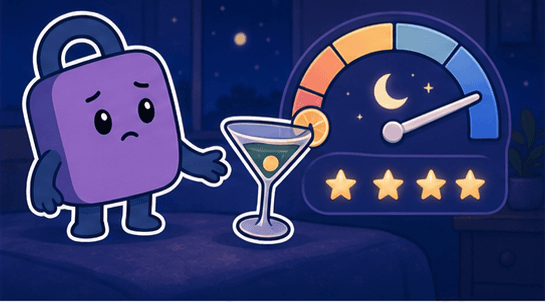
Why Alcohol Disrupts Your Sleep (Even Though It Makes You Drowsy)
After a drink or two, you might feel relaxed and sleepy—perfect for bedtime, right? Not quite. While alcohol can make you drowsy initially, it actually sabotages your sleep quality in ways that leave you feeling tired the next day. Let's uncover the science behind alcohol's complex relationship with sleep.
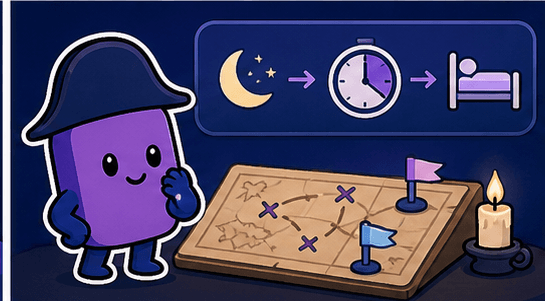
The Napoleon Sleep Method: The Truth About 4-Hour Sleep
Have you heard the story about Napoleon, the great conqueror, who exercised powerful leadership while sleeping only 4 hours a day? Is this sleep method really effective? And did Napoleon actually use this method?
Why Do We Dream So Often? The Science Behind Frequent Dreams
Why do we have vivid dreams on some nights while remembering nothing on others? Let's explore the science of dreams to understand why we dream and how we can enjoy more restful nights.
The Science of Pulling an All-Nighter: How 24 Hours Without Sleep Affects Your Body and Brain
Cramming for an exam, racing against a project deadline, or staying up all night with friends—we've all been there. But what actually happens to your body and brain when you go a full 24 hours without sleep? Let's explore the science behind all-nighters and learn how to handle them when they're truly unavoidable.
Melatonin Side Effects: What to Know About 5mg & 10mg Doses
Melatonin is a natural hormone and popular sleep aid that helps millions get better rest. However, different dosages can come with various side effects. Let's explore how melatonin works, what side effects to watch for at different doses, and how to use it safely.