Intermittent Fasting Schedule: The Smart Way to Fast

Intermittent fasting has become a popular method for weight loss and health improvement. But it's not just about skipping meals—you need a scientific approach to see real results. Let's explore the principles of intermittent fasting, different methods, and its relationship with sleep.
What is Intermittent Fasting?
Intermittent fasting is an eating pattern that cycles between periods of eating and fasting. It focuses on when you eat rather than what you eat.
16:8 Method
Fast for 16 hours, eat within an 8-hour window. The most popular and sustainable approach
5:2 Method
Eat normally 5 days a week, restrict to 500-600 calories on 2 days
24-Hour Fast
Complete 24-hour fast once or twice per week. Can be challenging for beginners
Alternate Day Fasting
Alternate between normal eating days and fasting or very low-calorie days
The Science Behind Intermittent Fasting
During fasting, several metabolic changes occur in your body.
Insulin Drops
Lower insulin levels make stored body fat more accessible for energy
Cellular Repair
Autophagy is activated, cleaning out and recycling damaged cell components
Growth Hormone Increases
Fasting boosts growth hormone, aiding fat loss and muscle preservation
Gene Expression Changes
Changes in genes related to longevity and disease protection
16:8 Method Practice Guide
Here's how to effectively practice the most popular 16:8 method.
Set Your Eating Window
Example: Eat only between 11 AM-7 PM or noon-8 PM
Start Gradually
Begin with a 12-hour fast and gradually extend to 16 hours
Stay Hydrated
Water, black coffee, and unsweetened tea are allowed during fasting
Eat Nutritious Meals
Focus on protein, healthy fats, and vegetables during your eating window
Avoid Overeating
Breaking your fast with binge eating reduces benefits. Eat slowly
Health Benefits of Intermittent Fasting
Research shows intermittent fasting provides various health benefits.
Weight Loss
Effective for fat loss through reduced calorie intake and increased metabolism
Improved Insulin Sensitivity
Better blood sugar control helps prevent type 2 diabetes
Reduced Inflammation
Decreases markers of chronic inflammation linked to many diseases
Heart Health
Improves cholesterol, blood pressure, and triglyceride levels
Brain Health
Increases BDNF for cognitive function and neuroprotection
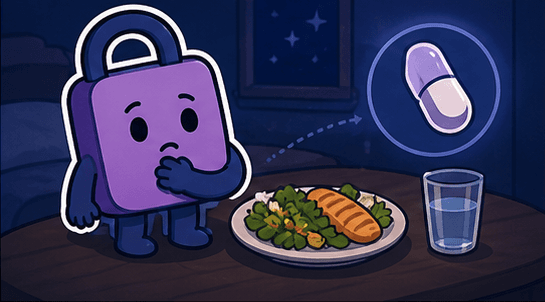
Intermittent Fasting and Sleep Connection
Your fasting and eating times can significantly impact sleep quality.
Dinner Timing
Finish eating at least 3 hours before bedtime for better sleep
Stable Blood Sugar
Avoiding late-night eating keeps blood sugar stable for deeper sleep
Growth Hormone Release
Sleeping in a fasted state maximizes growth hormone secretion
Reduced Digestive Load
An empty stomach means less digestive activity during sleep
Precautions and Side Effects
Intermittent fasting isn't suitable for everyone.
Not Recommended For
Pregnant or breastfeeding women, underweight individuals, those with eating disorders, diabetics (consult doctor)
Initial Side Effects
Hunger, headaches, difficulty concentrating, irritability—usually adapts within 1-2 weeks
Avoid Excessive Fasting
Too long fasting periods can cause muscle loss and metabolic slowdown
Sleep Disruption Risk
Extreme hunger can interfere with sleep—find the right balance
Tips for Successful Intermittent Fasting
Advice for making intermittent fasting sustainable long-term.
Match Your Lifestyle
Choose eating windows that fit your schedule and daily rhythm
Stay Busy
Being active during fasting hours helps reduce hunger feelings
Adapt Slowly
Give your body time to adjust. Rushing leads to giving up
Prioritize Sleep
Sleep deprivation increases hunger hormones—aim for 7-8 hours
Be Flexible
You don't need to be perfect. Adjust based on circumstances
Finding Your Fasting Rhythm
Intermittent fasting is an effective approach for weight management and health improvement, but the same method doesn't work for everyone. Finding an approach that matches your lifestyle, health status, and goals is key.
The harmony with sleep is particularly important. Late dinners or excessive fasting can disrupt sleep. Practicing intermittent fasting alongside adequate sleep will yield better health and weight management results.
⚠️ Important Notice
This article is for informational purposes only and is not a substitute for professional medical advice, diagnosis, or treatment. If you suspect you have a sleep disorder or any health condition, please consult a doctor or sleep specialist.

Take the First Step to Better Sleep
Build healthy sleep habits with Good Night Lock.
Download Good Night Lock