How Irregular Sleep Affects Your Health and How to Fix It
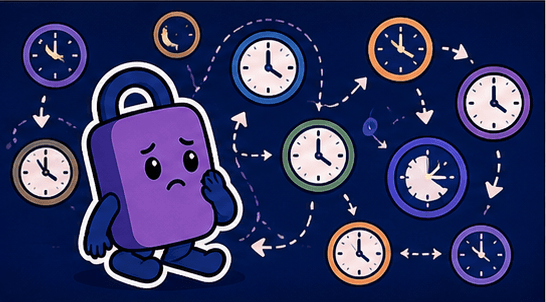
Do you go to bed and wake up at different times every day? Irregular sleep patterns can impact your physical and mental health far beyond just feeling tired. Learn how your body's internal clock works and why consistent sleep timing matters.
What Is Irregular Sleep?
Irregular sleep refers to inconsistent bedtimes and wake times. The following patterns qualify as irregular sleep:
Weekend Catch-Up Sleep
Being sleep-deprived during the week and oversleeping on weekends. This is called 'social jet lag.'
Variable Sleep Times
When your bedtime varies by more than 2 hours from day to day.
Day-Night Reversal
Irregularly switching between being active at night and sleeping during the day.
Fragmented Sleep
Sleeping in multiple short periods throughout the day, resulting in poor quality even if total hours are met.
The Body Clock and Circadian Rhythm
Your body has an internal clock (circadian rhythm) that operates on roughly a 24-hour cycle. This clock regulates nearly all body functions including sleep, hormone release, and temperature regulation.
Suprachiasmatic Nucleus (SCN)
The master clock located in the hypothalamus that receives light information and coordinates body rhythms.
Peripheral Clocks
Each organ (liver, heart, muscles) has its own clock that synchronizes with the central clock.
Hormone Rhythms
Hormones like cortisol (peaks in morning) and melatonin (peaks at night) are released on schedule.
Clock Genes
Genes like CLOCK and BMAL1 regulate circadian rhythms at the molecular level.
Health Impacts
Irregular sleep patterns are associated with various health problems.
Increased Metabolic Disease Risk
Higher risk of diabetes, obesity, and hypertension. Insulin sensitivity decreases and appetite hormones become disrupted.
Cardiovascular Disease
Heart rate and blood pressure become irregular, increasing risk of heart attack and stroke.
Mental Health Decline
Increased risk of depression and anxiety disorders, with difficulty regulating emotions.
Cognitive Impairment
Reduced concentration, memory, and judgment, along with decreased learning efficiency.
Weakened Immunity
Immune cell activity decreases, making you more susceptible to infections and slowing recovery.
Strategies for Regular Sleep
Specific methods to stabilize your biological rhythm.
Fix Your Wake Time
Lock in your wake time before your bedtime. Keep weekends within 1 hour of weekdays.
Morning Light Exposure
Get bright light (ideally sunlight) within 30 minutes of waking to reset your body clock.
Create an Evening Routine
Dim lights and avoid stimulating activities 1-2 hours before bed as part of a consistent routine.
Regulate Meal Times
Meal timing affects your body clock. Eat breakfast at a consistent time each day.
Gradual Adjustments
Instead of drastic changes, shift your sleep time by 15-30 minutes gradually.
Handling Special Situations
How to cope when irregular sleep is unavoidable.
Shift Workers
Wear sunglasses when leaving night shifts, use blackout curtains, and strategically nap.
Exam Periods
Regular sleep is more efficient for learning than all-nighters. Get at least 6 hours of sleep.
After International Travel
Adapt to destination time immediately and avoid napping on your first day.
Remote Work
Even without commuting, maintain consistent wake times and clear work start/end times.
How to Check Your Sleep Regularity
- •Keep a sleep diary for 1-2 weeks to identify patterns
- •Aim for less than 1 hour standard deviation in bed/wake times
- •Keep weekday-weekend sleep time difference under 2 hours
- •Use sleep tracking apps or wearables for objective monitoring
- •Changes need at least 2-3 weeks to show effects
When to Seek Professional Help
- •If you can't fall asleep despite trying to maintain regular hours
- •If irregular sleep severely impacts your daily life
- •If you experience persistent depression or anxiety
- •If adapting to shift work is extremely difficult
- •If insomnia has become chronic
Regular Sleep: The Foundation of Health
Irregular sleep is common in modern life, but its effects are more serious than many realize. Circadian disruption disturbs functions throughout the body and increases long-term disease risk.
Even if perfect regularity is difficult, start by keeping your wake time consistent. Small changes add up to significant health benefits.
⚠️ Important Notice
This article is for informational purposes only and is not a substitute for professional medical advice, diagnosis, or treatment. If you suspect you have a sleep disorder or any health condition, please consult a doctor or sleep specialist.

Take the First Step to Better Sleep
Build healthy sleep habits with Good Night Lock.
Download Good Night LockRelated Articles
Why Is It So Hard to Wake Up in the Morning? Understanding Sleep Inertia
Do you find yourself hitting the snooze button multiple times every morning? Feel like you need an extra hour of sleep no matter how long you slept? You're experiencing sleep inertia - a fascinating phenomenon that affects millions of people worldwide.
Why Alcohol Disrupts Your Sleep (Even Though It Makes You Drowsy)
After a drink or two, you might feel relaxed and sleepy—perfect for bedtime, right? Not quite. While alcohol can make you drowsy initially, it actually sabotages your sleep quality in ways that leave you feeling tired the next day. Let's uncover the science behind alcohol's complex relationship with sleep.
The Napoleon Sleep Method: The Truth About 4-Hour Sleep
Have you heard the story about Napoleon, the great conqueror, who exercised powerful leadership while sleeping only 4 hours a day? Is this sleep method really effective? And did Napoleon actually use this method?

Why Do We Dream So Often? The Science Behind Frequent Dreams
Why do we have vivid dreams on some nights while remembering nothing on others? Let's explore the science of dreams to understand why we dream and how we can enjoy more restful nights.
The Science of Pulling an All-Nighter: How 24 Hours Without Sleep Affects Your Body and Brain
Cramming for an exam, racing against a project deadline, or staying up all night with friends—we've all been there. But what actually happens to your body and brain when you go a full 24 hours without sleep? Let's explore the science behind all-nighters and learn how to handle them when they're truly unavoidable.
Melatonin Side Effects: What to Know About 5mg & 10mg Doses
Melatonin is a natural hormone and popular sleep aid that helps millions get better rest. However, different dosages can come with various side effects. Let's explore how melatonin works, what side effects to watch for at different doses, and how to use it safely.