Ouch! Why Do You Get Leg Cramps at Night?
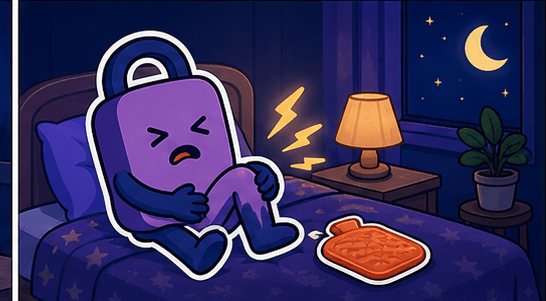
Have you ever been jolted awake from deep sleep by a sudden leg cramp? Nocturnal muscle cramps are common but extremely painful. Learn why cramps happen especially at night and how to prevent and manage them.
What Are Nocturnal Leg Cramps?
Nocturnal leg cramps are sudden, involuntary contractions of leg muscles that occur during sleep. They primarily affect the calf muscles but can also occur in the thighs or feet.
Cramps typically last from a few seconds to several minutes, causing intense pain. Even after the cramp subsides, muscle stiffness or soreness can persist for hours, significantly affecting sleep quality.
Did You Know
About 60% of adults experience nocturnal leg cramps, and they become more frequent with age. While most are benign, it's important to identify the cause if they occur frequently.
Main Causes of Nighttime Leg Cramps
Various factors can trigger nocturnal muscle cramps.
Dehydration
Insufficient fluid intake is the most common cause of muscle cramps. Becoming dehydrated overnight without fluid intake makes cramps more likely.
Electrolyte Imbalance
Deficiency or imbalance of electrolytes like magnesium, potassium, calcium, and sodium affects muscle function and triggers cramps.
Excessive Exercise
Excessive exercise or prolonged standing during the day can fatigue muscles, leading to nighttime cramps.
Prolonged Sitting
Sitting for long periods or maintaining the same position reduces blood circulation, increasing the risk of muscle cramps.
Medication Side Effects
Some medications like diuretics, statins, and blood pressure drugs can cause muscle cramps as a side effect.
Underlying Conditions
Conditions such as peripheral artery disease, diabetes, and hypothyroidism may be associated with muscle cramps.
Immediate Relief When Cramps Strike
Quick action when a cramp occurs can reduce pain.
Stretching
Gently stretch the cramping muscle. For calf cramps, pull your toes toward you to lengthen the muscle.
Massage
Gently massage the affected area to relax the muscle. Rub in circular motions with your hands.
Heat Application
Apply a warm towel or heating pad to the cramping area to promote blood circulation and relax the muscle.
Walk It Off
If possible, get up and walk around lightly to improve blood circulation.
How to Prevent Nighttime Leg Cramps
Lifestyle changes can help prevent nocturnal muscle cramps.
Stay Hydrated
Drink plenty of water throughout the day. However, avoid excessive intake right before bed to prevent nocturia.
Replenish Electrolytes
Eat foods rich in magnesium and potassium like bananas, avocados, nuts, and green vegetables.
Stretch Before Bed
Light stretching before sleep relaxes muscles and reduces the risk of cramps.
Exercise Appropriately
Exercise regularly and moderately, but avoid vigorous exercise right before bed.
Comfortable Sleep Position
Ensure blankets aren't too tight on your feet and sleep in a comfortable position.
Limit Alcohol and Caffeine
Alcohol and caffeine can cause dehydration and affect muscles, so avoid them before bed.
When to See a Doctor
Consult a specialist if you experience the following:
- Cramps occurring multiple times per week
- Persistent muscle weakness or swelling after cramps
- Changes in leg color or abnormal sensations
- Severe sleep disruption due to cramps
- Cramps starting after beginning a new medication
Don't Let Cramps Disrupt Your Sleep
Nocturnal leg cramps are unpleasant and painful, but in most cases, they can be prevented and managed through lifestyle improvements.
Adequate hydration, electrolyte balance, and proper stretching can help you sleep comfortably through the night. If cramps occur frequently, consult a doctor to identify the underlying cause.
⚠️ Important Notice
This article is for informational purposes only and is not a substitute for professional medical advice, diagnosis, or treatment. If you suspect you have a sleep disorder or any health condition, please consult a doctor or sleep specialist.

Take the First Step to Better Sleep
Build healthy sleep habits with Good Night Lock.
Download Good Night LockRelated Articles
The Complete Guide to Insomnia: Causes, Symptoms, and Scientifically Proven Treatments
Do you find yourself staring at the ceiling every night, tossing and turning? Does it take you more than 30 minutes to fall asleep, or do you keep waking up in the early morning? Insomnia, experienced by 1 in 3 adults worldwide, isn't just about 'not being able to sleep.' Let's explore the scientific causes of insomnia through to evidence-based treatments.
Complete Guide to Narcolepsy: Symptoms, Causes, Diagnosis, and Treatment
Sudden overwhelming sleepiness, knees buckling while laughing... Narcolepsy isn't just 'being sleepy.' It's a neurological disorder caused by hypocretin deficiency. Learn everything about this condition that affects 1 in 2,000 people.
The Complete Guide to Snoring: Causes, Risks, and Solutions
Do you wake your partner every night with thunderous snoring? Or have you ever been startled awake by your own snoring? Snoring isn't just a noisy nuisance—it can be a signal of underlying health issues. About 40% of adults worldwide snore habitually, and some cases involve serious sleep apnea. Let's explore everything from the causes of snoring to effective treatments.
Orthosomnia: When Sleep Tracking Disrupts Your Sleep
Do you feel more anxious after checking your sleep score on your smartwatch? Has your pursuit of perfect sleep actually made it harder to sleep? This is 'Orthosomnia.' As sleep tracking devices become mainstream, we explore this modern sleep disorder that has emerged from our obsession with sleep data.
Awake Until Dawn? It Could Be Delayed Sleep Phase Syndrome (DSPS)
Do you try to fall asleep every night but can't until 2-3 AM, and then struggle terribly to wake up in the morning? If being a 'night owl' is seriously disrupting your daily life, you might have Delayed Sleep Phase Syndrome (DSPS).
Why Can't I Sleep? Understanding Insomnia and Sleep Disorders
Lying in bed but can't fall asleep? Does trying harder to sleep only make you feel more awake? Learn about the causes and solutions to this common problem faced by many modern people.