The Science Behind Lullabies: Why Mom's Singing Helps Babies Sleep
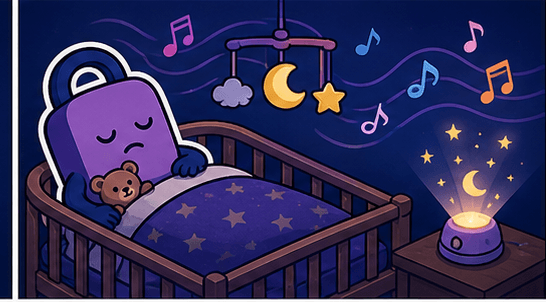
For thousands of years, mothers around the world have sung lullabies to their babies. This universal practice isn't just cultural tradition—it's backed by science. Research shows that lullabies have profound effects on infant sleep, brain development, and the parent-child bond. Let's explore why this simple act of singing works so remarkably well.
The Universal Language of Lullabies
Lullabies exist in every culture across the globe, and remarkably, they share common characteristics regardless of language or origin. They typically feature simple, repetitive melodies, slow tempos, and descending pitch patterns that naturally soothe the listener.
Scientists have found that infants respond to the distinctive features of lullabies even when sung in unfamiliar languages. This suggests that babies are hardwired to respond to these musical patterns, making lullabies an evolutionarily preserved tool for infant care.
Cross-Cultural Finding
Studies show that adults from diverse cultures can identify lullabies from other cultures with remarkable accuracy, suggesting these songs share universal acoustic properties.
How Lullabies Affect the Baby's Brain
The effects of lullabies on infant brain activity are fascinating and measurable:
Heart Rate Reduction
Listening to lullabies lowers a baby's heart rate, creating the physiological conditions for sleep. The slow, steady rhythm helps regulate the infant's autonomic nervous system.
Stress Hormone Decrease
Lullabies reduce cortisol levels in babies, helping them relax and feel secure. Lower stress hormones mean easier transitions to sleep.
Brain Wave Synchronization
The rhythmic patterns of lullabies help synchronize brain waves, promoting the slow-wave activity associated with deep sleep.
Oxytocin Release
Both mother and baby experience increased oxytocin—the bonding hormone—during lullaby singing, strengthening their emotional connection.
Why Mom's Voice is Special
While any caregiver can sing lullabies effectively, a mother's voice holds unique significance for her baby:
Prenatal Recognition
Babies begin hearing their mother's voice in the womb around 18 weeks of pregnancy. By birth, they already recognize and prefer her voice over others.
Emotional Regulation
The familiar sound of mom's voice activates areas in the baby's brain associated with emotional processing and self-regulation.
Language Development
Exposure to the mother's singing voice supports early language development, helping babies learn the rhythms and patterns of speech.
Secure Attachment
Regular lullaby singing builds trust and security, contributing to healthy attachment patterns that benefit the child throughout life.
Benefits for Parents Too
The benefits of lullaby singing extend beyond the baby to positively impact parents:
Reduced Parental Stress
Singing lullabies lowers cortisol levels in parents too, helping reduce the stress of new parenthood.
Increased Confidence
Successfully soothing a baby through singing builds parental confidence and competence.
Mindful Presence
The act of singing requires presence and attention, creating quality bonding time free from distractions.
Postpartum Support
For mothers experiencing postpartum challenges, lullaby singing can provide emotional regulation and connection.
The Science of Sleep Induction
Understanding why lullabies work reveals the perfect storm of sleep-promoting factors:
Rhythmic Entrainment
The steady beat of lullabies helps entrain the baby's biological rhythms, including heart rate and breathing, to slower, sleep-ready patterns.
Predictability
The repetitive nature of lullabies creates predictability, which calms the nervous system and signals safety to the infant brain.
Melodic Contour
The descending melodic patterns in most lullabies naturally induce relaxation, mimicking the voice patterns used to comfort.
Familiar Routine
When lullabies become part of a bedtime routine, they serve as a powerful sleep cue that tells the baby's body it's time to rest.
Tips for Effective Lullaby Singing
You don't need to be a professional singer to provide the benefits of lullabies. Here's what matters:
Slow and Steady
Keep the tempo slow—around 60-80 beats per minute, which naturally aligns with a relaxed heart rate.
Soft Volume
Sing softly and gently. The goal is to soothe, not entertain. A whisper-like quality can be very effective.
Repetition is Key
Repeat the same lullabies consistently. Familiarity enhances the calming effect.
Physical Contact
Combine singing with gentle rocking or holding. Multi-sensory soothing is most effective.
Modern Research Findings
Recent studies have revealed even more benefits of lullaby singing:
- Premature infants in NICUs who receive lullaby therapy show improved feeding, longer sleep periods, and earlier discharge
- Lullabies can reduce pain perception during medical procedures in infants
- Regular lullaby exposure may support cognitive development and memory formation
- The benefits of lullabies extend beyond infancy, with older children also showing improved sleep with parent-sung lullabies
- Music therapy programs using lullabies have shown success in treating infant sleep disorders
Lullabies in the Digital Age
While recorded lullabies and white noise machines are convenient, live singing offers unique advantages:
Live Singing Advantages
Real-time interaction, emotional connection, natural variation in rhythm, and the presence of a loving caregiver cannot be replicated by recordings.
When Recordings Help
Recorded lullabies can be useful supplements when parents are unavailable, for travel, or to extend the comfort of familiar songs.
Balance is Best
The ideal approach combines live singing during key sleep times with recordings as needed for practical situations.
The Timeless Gift of Lullabies
In our high-tech world, it's remarkable that one of the most effective sleep aids remains a parent's voice singing a simple song. Lullabies represent the perfect intersection of biology, emotion, and tradition.
Whether you consider yourself a good singer or not, your baby doesn't critique your voice—they respond to your love, your presence, and the soothing rhythms you create. Every parent has the ability to give this gift. So tonight, try turning off the devices and offering the most ancient and effective sleep medicine: a lullaby sung with love.
⚠️ Important Notice
This article is for informational purposes only and is not a substitute for professional medical advice, diagnosis, or treatment. If you suspect you have a sleep disorder or any health condition, please consult a doctor or sleep specialist.

Take the First Step to Better Sleep
Build healthy sleep habits with Good Night Lock.
Download Good Night LockRelated Articles
Why Is It So Hard to Wake Up in the Morning? Understanding Sleep Inertia
Do you find yourself hitting the snooze button multiple times every morning? Feel like you need an extra hour of sleep no matter how long you slept? You're experiencing sleep inertia - a fascinating phenomenon that affects millions of people worldwide.
Why Alcohol Disrupts Your Sleep (Even Though It Makes You Drowsy)
After a drink or two, you might feel relaxed and sleepy—perfect for bedtime, right? Not quite. While alcohol can make you drowsy initially, it actually sabotages your sleep quality in ways that leave you feeling tired the next day. Let's uncover the science behind alcohol's complex relationship with sleep.
The Napoleon Sleep Method: The Truth About 4-Hour Sleep
Have you heard the story about Napoleon, the great conqueror, who exercised powerful leadership while sleeping only 4 hours a day? Is this sleep method really effective? And did Napoleon actually use this method?

Why Do We Dream So Often? The Science Behind Frequent Dreams
Why do we have vivid dreams on some nights while remembering nothing on others? Let's explore the science of dreams to understand why we dream and how we can enjoy more restful nights.
The Science of Pulling an All-Nighter: How 24 Hours Without Sleep Affects Your Body and Brain
Cramming for an exam, racing against a project deadline, or staying up all night with friends—we've all been there. But what actually happens to your body and brain when you go a full 24 hours without sleep? Let's explore the science behind all-nighters and learn how to handle them when they're truly unavoidable.
Melatonin Side Effects: What to Know About 5mg & 10mg Doses
Melatonin is a natural hormone and popular sleep aid that helps millions get better rest. However, different dosages can come with various side effects. Let's explore how melatonin works, what side effects to watch for at different doses, and how to use it safely.