Miracle Morning Side Effects: What to Watch Out For When Becoming a Morning Person
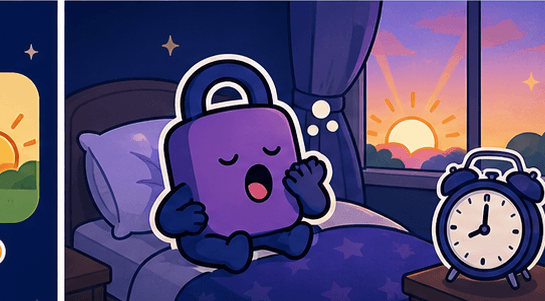
The Miracle Morning routine has gained massive popularity, promising increased productivity, better health, and life transformation. However, not everyone talks about the potential downsides. Before you set your alarm for 5 AM, here's what you need to know about the side effects of forcing yourself to become a morning person.
What is Miracle Morning?
Miracle Morning is a routine popularized by Hal Elrod that encourages waking up early (often at 5 AM or earlier) to practice six activities known as 'SAVERS': Silence, Affirmations, Visualization, Exercise, Reading, and Scribing (journaling). While many have reported life-changing benefits, it's important to understand that this approach isn't suitable for everyone.
Important Consideration
Your chronotype (whether you're naturally a morning person or night owl) is largely genetic and difficult to change permanently.
Sleep Deprivation Risks
The most significant side effect of Miracle Morning is sleep deprivation, which occurs when you wake up early without going to bed earlier:
Cognitive Impairment
Reduced focus, poor memory, and slower reaction times that counteract productivity goals
Weakened Immune System
Chronic sleep loss can increase susceptibility to illness and slow recovery
Mood Disturbances
Irritability, anxiety, and increased risk of depression with ongoing sleep debt
Weight Gain
Sleep deprivation disrupts hunger hormones, leading to increased appetite and cravings
Circadian Rhythm Disruption
Forcing yourself to wake up against your natural body clock can have serious consequences:
Social Jet Lag
The mismatch between your body's preferred schedule and your forced routine creates chronic stress
Hormonal Imbalance
Cortisol and melatonin rhythms become disrupted, affecting energy levels throughout the day
Decreased Performance
Night owls forced to be morning people often perform worse than when following their natural rhythm
Burnout and Sustainability Issues
Many Miracle Morning practitioners face sustainability challenges:
Initial Enthusiasm Fades
The honeymoon period ends, and maintaining the routine becomes increasingly difficult
Guilt and Failure Feelings
Missing days can trigger negative self-talk and feelings of inadequacy
Social Life Impact
Early bedtimes required for early rising can strain relationships and limit social activities
Recovery Needs
The body may demand catch-up sleep on weekends, creating an inconsistent cycle
Physical Health Concerns
Early morning exercise, a key component of Miracle Morning, comes with its own risks when done without adequate sleep:
Increased Injury Risk
Exercising while sleep-deprived reduces coordination and increases accident probability
Reduced Exercise Benefits
Without proper rest, muscle recovery is impaired and workout effectiveness decreases
Cardiovascular Stress
Early morning is already a peak time for heart attacks; adding sleep deprivation increases risk
Who Should Avoid Miracle Morning?
This routine may not be appropriate for:
Natural Night Owls
Those with evening chronotypes may never adapt well to extreme early rising
People with Sleep Disorders
Insomnia, sleep apnea, or other conditions require prioritizing sleep quality over early wake times
Shift Workers
Irregular work schedules make consistent early mornings impossible and potentially harmful
New Parents
Already sleep-deprived individuals should not sacrifice additional rest
Teenagers
Adolescent biology naturally shifts toward later sleep and wake times
Healthier Alternatives
Instead of forcing Miracle Morning, consider these approaches:
Work with Your Chronotype
Schedule important tasks during your natural peak energy times, whether morning or evening
Gradual Adjustment
If you want to wake earlier, shift your schedule by 15 minutes every few days
Focus on Sleep Quality
Prioritize getting 7-9 hours of quality sleep over waking at a specific time
Create Your Own Routine
Adapt the SAVERS activities to fit your natural schedule and lifestyle
Warning Signs to Watch For
If you're practicing Miracle Morning, monitor for these symptoms indicating it's not working for you:
- ⚠️Persistent fatigue despite consistent practice
- ⚠️Difficulty concentrating or brain fog
- ⚠️Increased caffeine dependence
- ⚠️Frequent illness or slow recovery
- ⚠️Worsening mood or increased anxiety
- ⚠️Declining work or exercise performance
- ⚠️Weekend sleep binges to 'catch up'
Balance Over Extremes
The Miracle Morning can be beneficial for natural early risers who can maintain adequate sleep. However, forcing your body against its natural rhythm often creates more problems than it solves.
The best morning routine is one that respects your body's needs, ensures sufficient sleep, and fits sustainably into your life. Remember, success isn't about when you wake up—it's about what you do with your waking hours, whenever they may be.
⚠️ Important Notice
This article is for informational purposes only and is not a substitute for professional medical advice, diagnosis, or treatment. If you suspect you have a sleep disorder or any health condition, please consult a doctor or sleep specialist.

Take the First Step to Better Sleep
Build healthy sleep habits with Good Night Lock.
Download Good Night LockRelated Articles
Why Is It So Hard to Wake Up in the Morning? Understanding Sleep Inertia
Do you find yourself hitting the snooze button multiple times every morning? Feel like you need an extra hour of sleep no matter how long you slept? You're experiencing sleep inertia - a fascinating phenomenon that affects millions of people worldwide.
Why Alcohol Disrupts Your Sleep (Even Though It Makes You Drowsy)
After a drink or two, you might feel relaxed and sleepy—perfect for bedtime, right? Not quite. While alcohol can make you drowsy initially, it actually sabotages your sleep quality in ways that leave you feeling tired the next day. Let's uncover the science behind alcohol's complex relationship with sleep.
The Napoleon Sleep Method: The Truth About 4-Hour Sleep
Have you heard the story about Napoleon, the great conqueror, who exercised powerful leadership while sleeping only 4 hours a day? Is this sleep method really effective? And did Napoleon actually use this method?

Why Do We Dream So Often? The Science Behind Frequent Dreams
Why do we have vivid dreams on some nights while remembering nothing on others? Let's explore the science of dreams to understand why we dream and how we can enjoy more restful nights.
The Science of Pulling an All-Nighter: How 24 Hours Without Sleep Affects Your Body and Brain
Cramming for an exam, racing against a project deadline, or staying up all night with friends—we've all been there. But what actually happens to your body and brain when you go a full 24 hours without sleep? Let's explore the science behind all-nighters and learn how to handle them when they're truly unavoidable.
Melatonin Side Effects: What to Know About 5mg & 10mg Doses
Melatonin is a natural hormone and popular sleep aid that helps millions get better rest. However, different dosages can come with various side effects. Let's explore how melatonin works, what side effects to watch for at different doses, and how to use it safely.