Mood Lighting and Sleep: How Light Color Affects Your Circadian Rhythm

The color temperature and intensity of light in your environment significantly impacts your sleep quality. While mood lighting can create ambiance, certain colors and brightness levels can either promote or prevent good sleep. Understanding the science of light and sleep helps you optimize your environment for rest.
Light and Circadian Rhythm
Your body's internal clock is primarily controlled by light exposure:
articleMoodLight.section1.paragraph2
Best and Worst Mood Light Colors for Sleep
Not all mood lighting is created equal when it comes to sleep:
articleMoodLight.section2.paragraph2
Room-by-Room Lighting Guide
Optimize lighting throughout your home for better sleep:
Smart Lighting for Sleep
Modern smart bulbs can automatically optimize your light environment:
Common Mood Lighting Mistakes
Even well-intentioned lighting choices can sabotage sleep:
Light is Powerful Medicine
The colors and intensity of light in your environment are among the most powerful tools for regulating sleep. By choosing sleep-friendly mood lighting, you work with your biology rather than against it.
Start with your bedroom—it's the most critical space. Then gradually extend these principles throughout your home. You'll likely notice improved sleep onset, fewer night wakings, and feeling more refreshed in the morning.
⚠️ Important Notice
This article is for informational purposes only and is not a substitute for professional medical advice, diagnosis, or treatment. If you suspect you have a sleep disorder or any health condition, please consult a doctor or sleep specialist.

Take the First Step to Better Sleep
Build healthy sleep habits with Good Night Lock.
Download Good Night LockRelated Articles
Optimal Sleep Temperature: The Science-Backed Guide to Better Sleep
Tossing and turning all night? Kicking off covers, then pulling them back on? Your bedroom temperature might be the problem. Sleep scientists recommend an optimal sleep temperature of 15-19°C (60-67°F). Discover why temperature matters so much for sleep and how to create the perfect sleep environment.
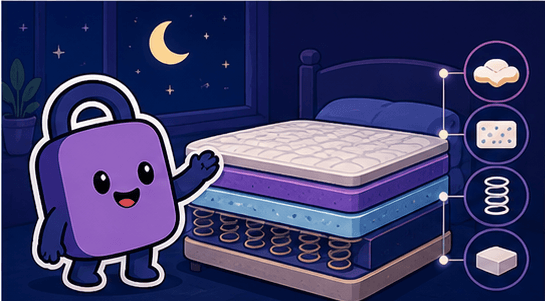
Mattress Guide: The Science Behind Your Bed
Have you heard that choosing a bed is a science? In reality, your mattress significantly impacts sleep quality. Let's explore scientifically why the right mattress matters and which type suits you best.
Dust Mites in Your Bedding? Allergy Symptoms and Proper Washing Methods
Did you know that dust mites hiding in your bedding could be affecting your sleep quality? These invisible creatures can trigger allergic reactions, causing nasal congestion, sneezing, and itching that disrupt your rest. Learn about dust mites and discover effective management strategies.
Body Pillow Guide: Benefits and How to Use One
A body pillow is a long pillow designed to support your entire body, particularly popular among side sleepers. From pregnant women to those with back pain, many people use body pillows. Learn about the correct usage and benefits of body pillows for better sleep.
Blackout Curtains for Better Sleep: Complete Guide to Choosing and Using
Light is one of the biggest disruptors of quality sleep. Even small amounts of light can interfere with melatonin production and disrupt your circadian rhythm. Blackout curtains offer a simple yet effective solution to create the dark environment your body needs for optimal rest. Here's everything you need to know about choosing and using blackout curtains for better sleep.
Does Bed Direction Affect Sleep? Science Meets Ancient Wisdom
Should your bed face north, south, east, or west? Ancient traditions from Feng Shui to Vastu Shastra claim bed direction profoundly impacts sleep quality and health. But what does modern science say? The answer is more nuanced than you might expect—and practical considerations matter far more than magnetic fields.