How to Wake Up Refreshed: 10 Science-Backed Methods
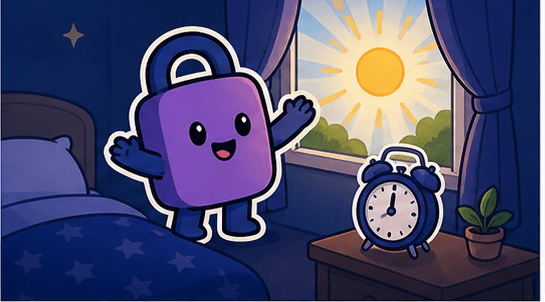
Do you struggle to open your eyes when the alarm rings, only to feel drowsy all day? Waking up refreshed isn't just about willpower. By using scientifically proven methods, anyone can start their morning feeling energized and alert.
Why It's Hard to Wake Up
Difficulty waking up isn't laziness—it's biology at work.
Sleep Inertia
For 15-30 minutes after waking, your brain hasn't fully transitioned to wakefulness, causing grogginess.
Residual Melatonin
The sleep hormone melatonin can linger in your system, causing continued drowsiness in the morning.
Low Body Temperature
Your body temperature drops during sleep and takes time to rise to alertness levels.
REM Sleep Interruption
Waking during REM sleep (dreaming phase) causes especially intense grogginess.
Circadian Rhythm Mismatch
When your natural wake time doesn't match your alarm, waking becomes difficult.
Light-Based Wake-Up Methods
Light is nature's most powerful wake-up signal. When light enters your eyes and reaches the suprachiasmatic nucleus, melatonin production stops and cortisol is released.
Open the Curtains
Immediately let natural light in upon waking. Even on cloudy days, outdoor light is 10x brighter than indoor lighting.
Use a Sunrise Alarm Clock
Alarms that gradually brighten to mimic sunrise promote natural, gentle awakening.
Turn on Bright Lights
If natural light is unavailable, expose yourself to 10,000 lux lighting for 20-30 minutes.
Morning Walk
A 10-15 minute morning walk in sunlight resets your circadian rhythm.
Raise Your Body Temperature
Rising body temperature is a key wake-up signal. When your temperature increases, your brain recognizes it's time for activity.
Warm Water or Tea
Drinking something warm right after waking raises body temperature and activates metabolism.
Light Stretching
5 minutes of stretching in bed improves circulation and raises body temperature.
Cold Water Face Wash
Splashing cold water on your face activates the sympathetic nervous system for alertness.
Morning Exercise
10-20 minutes of light exercise raises body temperature and boosts energy throughout the day.
Alarm Strategies
How you set your alarm significantly affects the quality of your wake-up.
Align with Sleep Cycles
Set your alarm to match the end of 90-minute sleep cycles to wake during light sleep.
No Snooze
The snooze button worsens sleep inertia. Train yourself to get up on the first alarm.
Move Your Alarm
Place your alarm across the room so you must physically get up to turn it off.
Gradual Alarm
Alarms that gradually increase in volume are less jarring than sudden loud sounds.
Night Before Habits
A good morning starts the night before.
Consistent Bedtime
Going to bed and waking at the same time daily stabilizes your internal clock.
Block Blue Light
Reduce screen time or use blue light filters 1-2 hours before bed.
Get Enough Sleep
Adults need 7-9 hours of sleep to wake feeling refreshed.
Avoid Late Eating
Finish eating 3 hours before bed; cut caffeine and alcohol even earlier.
Quick Tips to Try Today
- •When the alarm rings, immediately put both feet on the floor
- •Make your bed right away (prevents getting back in)
- •Create a morning routine with favorite music or podcasts
- •Give yourself something to look forward to (a nice breakfast, etc.)
- •Prepare clothes the night before to reduce morning decision fatigue
When to Seek Professional Help
- •If you're always tired despite adequate sleep
- •If you experience uncontrollable daytime sleepiness
- •If snoring or sleep apnea is suspected
- •If depression or lack of motivation accompanies fatigue
- •If your sleep time keeps shifting later (delayed sleep phase syndrome)
Your First Step to Refreshing Mornings
Waking up refreshed doesn't happen overnight. By gradually improving your light exposure, body temperature, alarm strategy, and evening habits, mornings will become easier.
Start implementing one change today. After 2-3 weeks of consistency, your body will adapt to the new rhythm, and you may find yourself naturally waking before your alarm.
⚠️ Important Notice
This article is for informational purposes only and is not a substitute for professional medical advice, diagnosis, or treatment. If you suspect you have a sleep disorder or any health condition, please consult a doctor or sleep specialist.

Take the First Step to Better Sleep
Build healthy sleep habits with Good Night Lock.
Download Good Night LockRelated Articles
Why Is It So Hard to Wake Up in the Morning? Understanding Sleep Inertia
Do you find yourself hitting the snooze button multiple times every morning? Feel like you need an extra hour of sleep no matter how long you slept? You're experiencing sleep inertia - a fascinating phenomenon that affects millions of people worldwide.
Why Alcohol Disrupts Your Sleep (Even Though It Makes You Drowsy)
After a drink or two, you might feel relaxed and sleepy—perfect for bedtime, right? Not quite. While alcohol can make you drowsy initially, it actually sabotages your sleep quality in ways that leave you feeling tired the next day. Let's uncover the science behind alcohol's complex relationship with sleep.
The Napoleon Sleep Method: The Truth About 4-Hour Sleep
Have you heard the story about Napoleon, the great conqueror, who exercised powerful leadership while sleeping only 4 hours a day? Is this sleep method really effective? And did Napoleon actually use this method?

Why Do We Dream So Often? The Science Behind Frequent Dreams
Why do we have vivid dreams on some nights while remembering nothing on others? Let's explore the science of dreams to understand why we dream and how we can enjoy more restful nights.
The Science of Pulling an All-Nighter: How 24 Hours Without Sleep Affects Your Body and Brain
Cramming for an exam, racing against a project deadline, or staying up all night with friends—we've all been there. But what actually happens to your body and brain when you go a full 24 hours without sleep? Let's explore the science behind all-nighters and learn how to handle them when they're truly unavoidable.
Melatonin Side Effects: What to Know About 5mg & 10mg Doses
Melatonin is a natural hormone and popular sleep aid that helps millions get better rest. However, different dosages can come with various side effects. Let's explore how melatonin works, what side effects to watch for at different doses, and how to use it safely.