Complete Guide to Narcolepsy: Symptoms, Causes, Diagnosis, and Treatment
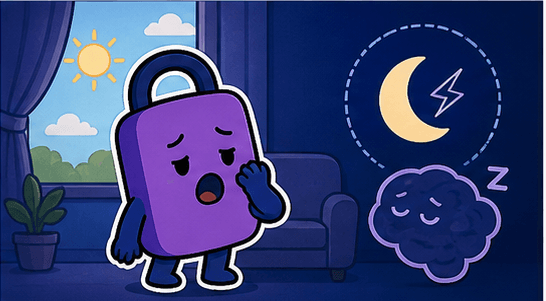
Sudden overwhelming sleepiness, knees buckling while laughing... Narcolepsy isn't just 'being sleepy.' It's a neurological disorder caused by hypocretin deficiency. Learn everything about this condition that affects 1 in 2,000 people.
What is Narcolepsy? A Neurological Disorder, Not Just 'Sleepiness'
Narcolepsy is a chronic neurological disorder where the brain's ability to regulate wakefulness is impaired. It occurs due to a deficiency of hypocretin (orexin), a neurotransmitter, causing the sleep-wake cycle to malfunction.
Often misunderstood as simply 'being a sleepy person,' narcolepsy is actually a condition where the 24-hour sleep-wake rhythm breaks down, causing REM sleep to suddenly intrude during waking hours.
Prevalence in general population (~25,000 estimated in South Korea)
Primary age of onset (adolescence to young adulthood)
Average time to diagnosis (misdiagnosis is very common)
Percentage of Type 1 patients with hypocretin deficiency
Key Point:
Narcolepsy is not 'laziness' or 'lack of willpower.' It's a medical condition where the brain's arousal system is damaged, and symptoms can be significantly improved with proper treatment.
5 Core Symptoms: You Might Have Narcolepsy
Narcolepsy symptoms are very distinctive. If you experience 3 or more of the following, we recommend consulting a specialist:
Excessive Daytime Sleepiness (EDS)
The essential symptom of narcolepsy. Despite adequate nighttime sleep, irresistible sleepiness repeatedly overwhelms you during the day.
📋 예시:
- •Suddenly falling asleep during meetings, conversations, or meals
- •A 10-20 minute nap refreshes you for 2-3 hours, but sleepiness returns
- •Very high risk of accidents due to drowsiness while driving
💡 심각도: Experienced by 100% of all patients. The symptom that most impacts quality of life.
Cataplexy
Sudden loss of muscle tone triggered by strong emotions (laughter, surprise, excitement, anger). Characteristic symptom of Type 1.
📋 예시:
- •Knees buckling or jaw dropping when laughing hard
- •Dropping objects when startled
- •In severe cases, complete collapse, but consciousness remains clear
💡 심각도: Experienced by 70-80% of Type 1 patients. Lasts seconds to minutes. Consciousness is maintained.
Sleep Paralysis
Complete inability to move your body when falling asleep or waking up. Known as 'sleep paralysis' phenomenon.
📋 예시:
- •Eyes open but unable to move arms or legs at all
- •Difficulty breathing and overwhelming fear
- •Lasts seconds to minutes, then naturally resolves
💡 심각도: Experienced by 25-50% of patients. While normal people occasionally experience this, it's much more frequent in narcolepsy patients.
Hypnagogic/Hypnopompic Hallucinations
Vivid dream-like hallucinations when falling asleep (hypnagogic) or waking up (hypnopompic).
📋 예시:
- •Feeling like someone is in the room
- •Very vivid auditory, tactile, or visual hallucinations
- •Extremely terrifying when occurring with sleep paralysis
💡 심각도: Experienced by 30-40% of patients. A phenomenon where REM sleep intrudes into wakefulness.
Disrupted Nighttime Sleep
Frequent nighttime awakenings with shallow, unstable sleep. Paradoxically accompanied by 'inability to sleep' symptoms.
📋 예시:
- •Waking every 1-2 hours; total sleep time is normal but quality is poor
- •Many vivid dreams and frequent nightmares
- •Not feeling refreshed upon waking
💡 심각도: Experienced by over 50% of patients. A vicious cycle that worsens daytime sleepiness.
Causes and Types: Type 1 vs Type 2
Narcolepsy is broadly divided into 2 types. The causes and symptoms differ, so treatments vary as well.
Type 1 Narcolepsy (With Cataplexy)
Previous name: Narcolepsy with Cataplexy
Cause: Hypocretin Deficiency
- •Neurons in the hypothalamus that produce hypocretin (orexin) are destroyed.
- •Suspected autoimmune reaction: People with specific gene (HLA-DQB1*06:02) develop it after viral infection.
- •Hypocretin levels in cerebrospinal fluid drop below 110 pg/mL.
Characteristic Symptoms
- ✅ Excessive daytime sleepiness (required)
- ✅ Cataplexy (70-80% of patients)
- ✅ Frequent sleep paralysis, hypnagogic hallucinations
- ✅ REM sleep regulation disorder
About 70% of all narcolepsy patients
Type 2 Narcolepsy (Without Cataplexy)
Previous name: Narcolepsy without Cataplexy
Cause: Unclear
- •Hypocretin levels are normal or slightly low.
- •Suspected problem in other parts of the arousal system.
- •More difficult to diagnose than Type 1.
Characteristic Symptoms
- ✅ Excessive daytime sleepiness (required)
- ❌ No cataplexy
- △ Sleep paralysis, hypnagogic hallucinations possible (less frequent)
- △ Early REM onset on MSLT test
About 30% of all narcolepsy patients
Risk Factors
⚠️ Genetic Predisposition
HLA-DQB1*06:02 gene carrier (12-38% in general population vs 95% in narcolepsy patients)
⚠️ Age
Primarily develops at ages 10-30. Second peak at 35-45.
⚠️ Infection
Reported cases following H1N1 flu, streptococcal infections
⚠️ Family History
1-2% risk if first-degree relative has narcolepsy (0.05% in general population)
Diagnostic Methods: How Is It Confirmed?
Narcolepsy diagnosis is complex and time-consuming. The average time to diagnosis exceeds 10 years because it's easily misdiagnosed as other conditions (depression, sleep apnea).
Step 1: Clinical Symptom Evaluation
A specialist reviews symptom records and sleep diary.
- •Epworth Sleepiness Scale (ESS): Score ≥11 indicates excessive sleepiness
- •Symptom duration: Must persist for at least 3 months
- •Exclude other causes: Medications, sleep deprivation, depression, etc.
Step 2: Polysomnography (PSG)
Overnight sleep study in hospital measuring brain waves, muscles, eye movements, and heart rate.
- ✓Exclude other sleep disorders like sleep apnea, restless leg syndrome
- ✓Confirm REM sleep latency (narcolepsy shows <15 minutes)
- ✓Confirm sleep fragmentation, frequency of nighttime awakenings
💰 Approximately $300-500 (with health insurance coverage)
Step 3: Multiple Sleep Latency Test (MSLT)
Measures how fast you fall asleep and REM onset during 5 nap attempts at 2-hour intervals throughout the day.
- ✓Average sleep latency ≤8 minutes (normal is 10-20 minutes)
- ✓REM sleep appears within 15 minutes in ≥2 out of 5 naps (SOREMP)
- ✓Narcolepsy diagnosed when both conditions are met
⭐ The 'gold standard' test for narcolepsy diagnosis
Step 4: Cerebrospinal Fluid Hypocretin Measurement (Optional)
Thin needle inserted into lower back to collect cerebrospinal fluid and measure hypocretin concentration.
언제 시행:
- •When MSLT results are ambiguous
- •When cataplexy is clear (confirms Type 1)
- •Pediatric patients (MSLT may be inaccurate)
📊 ≤110 pg/mL confirms Type 1
Differential Diagnosis (Other Conditions with Similar Symptoms)
Idiopathic Hypersomnia
No early REM onset on MSLT. Not refreshed after naps.
Sleep Apnea
Snoring and apneas present. Detectable on PSG.
Depression
Accompanied by low motivation, loss of interest. No cataplexy.
Chronic Fatigue Syndrome
Main symptom is 'fatigue' rather than sleepiness. MSLT normal.
Treatment Options: No Cure, But Symptom Management Is Possible
Currently, narcolepsy cannot be cured. However, symptoms can be significantly alleviated and normal life is possible through medication and lifestyle improvements.
1. Pharmacological Treatment
Multiple medications are used in combination depending on symptoms. All require doctor's prescription.
Stimulants
🎯 Improve daytime sleepiness
- • Modafinil: 100-400mg daily. Fewer side effects and low addiction risk.
- • Methylphenidate: ADHD medication. Fast-acting but addiction risk.
- • Solriamfetol: Newest medication. Dopamine/norepinephrine reuptake inhibitor.
⚠️ Headache, anxiety, loss of appetite, insomnia. Monitor blood pressure elevation.
Sodium Oxybate
🎯 Improve cataplexy, nighttime sleep
- • Brand name: Xyrem. Very powerful but effective.
- • Take before bed. Take once more in middle of night (4-hour interval).
- • Reduces cataplexy by 70-80%.
⚠️ Nausea, dizziness, sleepwalking. Abuse potential requires strict prescription management.
Antidepressants
🎯 Reduce cataplexy, sleep paralysis, hypnagogic hallucinations
- • Venlafaxine: SNRI. Suppresses REM sleep.
- • Fluoxetine: SSRI. Reduces cataplexy frequency.
💡 May be prescribed even without depression. Due to REM sleep regulation effects.
Pitolisant
🎯 Improve daytime sleepiness, cataplexy
- • Histamine H3 receptor inverse agonist. Approved in Europe.
- • Similar effects to modafinil, fewer side effects.
- • Not yet approved in South Korea.
2. Lifestyle Modifications (Non-Pharmacological Treatment)
Lifestyle pattern management is just as important as medication. The following habits can significantly alleviate symptoms:
Regular Sleep Schedule
- ✓Go to bed and wake up at the same time every day (including weekends)
- ✓Ensure 7-9 hours of nighttime sleep (sleep deprivation worsens symptoms)
- ✓Optimize sleep environment: dark, cool, and quiet
Scheduled Naps
- ✓Take planned naps 2-3 times daily for 15-20 minutes
- ✓At set times like 11 AM, 2 PM, 5 PM
- ✓Short naps help maintain alertness for 2-3 hours
💡 Can reduce medication dosage
Strategic Caffeine Use
- ✓Consume only in morning and after lunch (avoid after 3 PM)
- ✓Excessive intake disrupts nighttime sleep
- ✓Effective when combined with medication
Exercise
- ✓Moderate exercise 30+ minutes, 3-5 times per week
- ✓Best done in morning or early afternoon
- ✓Improves nighttime sleep quality and increases daytime alertness
Stress Management
- ✓Relieve tension through meditation, yoga, deep breathing
- ✓Excessive emotions can trigger cataplexy
- ✓Psychotherapy (CBT) also helps
⚠️ Important Precautions
Driving: Very high accident risk due to sleepiness. Refrain from driving until symptoms are controlled.
Career choices: Safer to avoid high-altitude work, heavy machinery operation, night shifts.
Pregnancy: Most medications are contraindicated during pregnancy. Must consult doctor when planning pregnancy.
Alcohol: Worsens sleepiness and interacts with medications. Avoid when possible.
Daily Life Coping Strategies: Living with Narcolepsy
People with narcolepsy can absolutely live normal lives. The following strategies can help:
School/Work
- •Inform school/company of your condition and request accommodation (nap space, flexible schedule)
- •Take 15-minute nap before important meetings/exams
- •Schedule important tasks during morning hours when concentration is highest
- •Use recorder, laptop to compensate for missed content
Social Life
- •Explain narcolepsy to friends/family (sudden sleepiness is not rudeness)
- •Identify and prepare for situations that trigger cataplexy
- •Join support groups (online/offline)
- •Don't blame yourself - this is not your fault
Driving
- •Drive only when symptoms are well controlled
- •Nap and consume caffeine before long drives
- •Stop at rest areas every 30 minutes
- •If sleepiness hits, immediately pull over safely and nap
⚠️ Traffic accident risk for narcolepsy patients is 3-4 times higher than normal. Never push yourself.
Meals
- •Excessive carbohydrates trigger sleepiness (post-meal blood sugar spike)
- •Eat small amounts frequently (3 meals → 5-6 meals)
- •Focus on protein and complex carbohydrates
- •Post-lunch sleepiness is worst, so keep lunch light
Emotion Management (Cataplexy Prevention)
- •Bend knees or sit when laughter comes
- •Avoid overly exciting situations (surprise parties, etc.)
- •Learn anger management techniques
- •Don't panic if cataplexy occurs - you'll recover soon
Myths and Facts: Misconceptions About Narcolepsy
Misconceptions about narcolepsy make it harder for patients. Know the facts:
"Narcolepsy is just being sleepy"
❌ Wrong. Narcolepsy is a neurological disorder caused by hypocretin deficiency. The brain's arousal regulation system is broken.
💡 Just as we don't tell diabetics to 'control blood sugar with willpower,' narcolepsy can't be solved with willpower.
"If you sleep well at night, you won't be sleepy during the day"
❌ Wrong. Narcolepsy patients are sleepy during the day even after 10 hours of nighttime sleep. It's not about sleep duration but the ability to maintain wakefulness.
"Cataplexy means completely collapsing"
△ Partially correct. Mild cases involve only jaw dropping or knee buckling. Severe cases involve complete collapse, but consciousness remains clear.
"Just drink lots of coffee"
❌ Wrong. Caffeine is only a supplementary aid, not a fundamental solution. Medication is essential.
"It's because they're lazy or depressed"
❌ Completely wrong. Narcolepsy is a different condition from depression. Rather, depression can develop secondarily due to narcolepsy.
"Children don't get narcolepsy"
❌ Wrong. Narcolepsy often develops in teenage years. Childhood narcolepsy manifests as hyperactivity and poor concentration, easily misdiagnosed as ADHD.
When Should You See a Doctor?
If the following symptoms persist for more than 3 months, consult a sleep medicine specialist:
⚠️ Irresistible sleepiness during the day almost every day
Especially if falling asleep during meetings, conversations, or driving - seek immediate care
⚠️ Sudden loss of strength when laughing or startled
Cataplexy is a very characteristic symptom of narcolepsy. Seek immediate care
⚠️ Frequent experiences of complete inability to move when falling asleep or waking
If occurring once or more per week, seek care
⚠️ Daytime sleepiness significantly interferes with school, work, or social life
If quality of life has notably declined, seek care
⚠️ Sleepy during day despite adequate nighttime sleep (7-9 hours)
Need to differentiate other causes like sleep apnea
Which Hospital Should You Visit?
Sleep Clinic
Capable of specialized tests like polysomnography, MSLT. Most accurate diagnosis.
🏥 Sleep centers at major hospitals like Seoul National University Hospital, Samsung Medical Center, Asan Medical Center
Neurology
Since narcolepsy is a neurological disorder, neurology specialists are appropriate.
💡 Look for a neurologist specializing in sleep
Psychiatry
Psychiatrists treating sleep disorders can also diagnose.
💡 Differential diagnosis from depression is important
What to Prepare Before Your Visit
- ✓Keep sleep diary for 2+ weeks (bedtime, wake time, nap records)
- ✓Document symptom onset timing and frequency
- ✓List of current medications
- ✓Family history (narcolepsy, sleep disorders in family)
- ✓Self-check Epworth Sleepiness Scale
Conclusion: Narcolepsy Is a Manageable Condition
Narcolepsy is undoubtedly a challenging condition. Sudden sleepiness, cataplexy, and sleep paralysis are frightening and disorienting. Misunderstanding and prejudice from others are hurtful.
But narcolepsy is a 'manageable' condition. Symptoms can be significantly alleviated through appropriate medication, regular naps, and lifestyle improvements. While diagnosis takes an average of 10 years, once you receive an accurate diagnosis and begin treatment, your quality of life improves dramatically.
The most important thing is 'not blaming yourself.' Narcolepsy is not your fault. It's simply a chemical imbalance in the brain. Don't be ashamed, and actively seek help.
Start Today:
- ✅ Keep a sleep diary for 2 weeks
- ✅ Self-check with Epworth Sleepiness Scale (suspect if ≥11 points)
- ✅ Schedule sleep clinic appointment
- ✅ Create regular sleep schedule
- ✅ Try 15-minute naps twice daily
- ⚠️ If drowsy while driving, pull over immediately
People with narcolepsy can absolutely live happy and productive lives. There are Olympic gold medalists, famous actors, and successful entrepreneurs with narcolepsy. You can do it too. Don't give up. 💙
⚠️ Important Notice
This article is for informational purposes only and is not a substitute for professional medical advice, diagnosis, or treatment. If you suspect you have a sleep disorder or any health condition, please consult a doctor or sleep specialist.

Take the First Step to Better Sleep
Build healthy sleep habits with Good Night Lock.
Download Good Night LockRelated Articles
The Complete Guide to Insomnia: Causes, Symptoms, and Scientifically Proven Treatments
Do you find yourself staring at the ceiling every night, tossing and turning? Does it take you more than 30 minutes to fall asleep, or do you keep waking up in the early morning? Insomnia, experienced by 1 in 3 adults worldwide, isn't just about 'not being able to sleep.' Let's explore the scientific causes of insomnia through to evidence-based treatments.
The Complete Guide to Snoring: Causes, Risks, and Solutions
Do you wake your partner every night with thunderous snoring? Or have you ever been startled awake by your own snoring? Snoring isn't just a noisy nuisance—it can be a signal of underlying health issues. About 40% of adults worldwide snore habitually, and some cases involve serious sleep apnea. Let's explore everything from the causes of snoring to effective treatments.
Orthosomnia: When Sleep Tracking Disrupts Your Sleep
Do you feel more anxious after checking your sleep score on your smartwatch? Has your pursuit of perfect sleep actually made it harder to sleep? This is 'Orthosomnia.' As sleep tracking devices become mainstream, we explore this modern sleep disorder that has emerged from our obsession with sleep data.
Awake Until Dawn? It Could Be Delayed Sleep Phase Syndrome (DSPS)
Do you try to fall asleep every night but can't until 2-3 AM, and then struggle terribly to wake up in the morning? If being a 'night owl' is seriously disrupting your daily life, you might have Delayed Sleep Phase Syndrome (DSPS).
Why Can't I Sleep? Understanding Insomnia and Sleep Disorders
Lying in bed but can't fall asleep? Does trying harder to sleep only make you feel more awake? Learn about the causes and solutions to this common problem faced by many modern people.
Exploding Head Syndrome: When Your Brain Goes Bang at Night
Have you ever been jolted awake by a loud bang, crash, or explosion in your head, only to find everything is completely silent? You're not alone. This strange phenomenon is called Exploding Head Syndrome, and while it sounds alarming, it's more common than you might think.