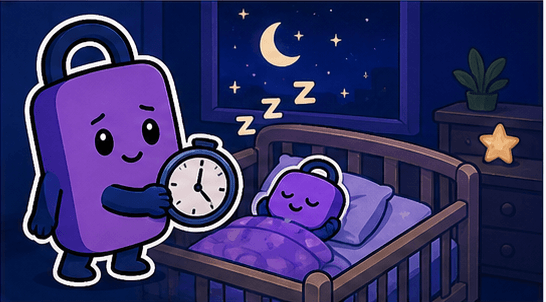
Why Won't My Newborn Sleep? Understanding and Solving Infant Sleep Struggles
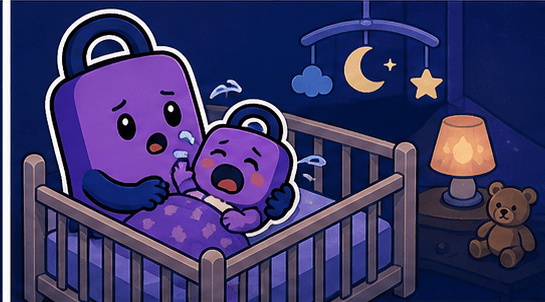
Many parents are exhausted from their baby's nightly sleep struggles. While fussiness before sleep is a normal part of newborn development, understanding the causes can help you cope more effectively. Learn why newborns resist sleep and what solutions parents can try.
What is Newborn Sleep Fussiness?
Sleep fussiness refers to a baby's behavior of refusing to sleep despite being tired, or crying and becoming irritable when trying to fall asleep. It typically peaks between 6 to 8 weeks of age and gradually decreases by 3-4 months.
Sleep fussiness is a natural phenomenon that occurs as a baby's immature nervous system and sleep regulation abilities develop. However, severe fussiness can stress both baby and parents, making appropriate intervention necessary.
Key Point
Sleep fussiness is normal for most newborns. It naturally decreases by 3-4 months, but identifying the cause can help resolve it faster.
7 Main Causes of Newborn Sleep Fussiness
There are several reasons why babies resist sleep:
1. Overtiredness
Paradoxically, an overtired baby has more difficulty falling asleep. When fatigue accumulates, stress hormones (cortisol) are released, maintaining a state of alertness.
2. Hunger or Overfeeding
Being hungry or, conversely, uncomfortable from eating too much can cause fussiness. During growth spurts, babies may want to feed more frequently than usual.
3. Uncomfortable Environment
Babies have difficulty sleeping when too hot, too cold, in a wet diaper, or in uncomfortable clothing. Check environmental factors like temperature, humidity, and lighting.
4. Overstimulation
Babies exposed to too much stimulation during the day (loud noises, bright lights, many people) may have difficulty calming down at night.
5. Colic
If a baby cries for more than 3 hours for no apparent reason, more than 3 times a week, for more than 3 weeks between 2 weeks and 4 months of age, colic may be suspected.
6. Sleep Regression
Sleep patterns may temporarily become disrupted during growth spurts, teething, or when reaching new developmental milestones.
7. Separation Anxiety
Separation anxiety, which can begin around 6-8 months, makes babies afraid of being separated from their parents, causing them to resist sleep.
Practical Tips for Solving Sleep Fussiness
Methods you can try to reduce your baby's sleep fussiness:
Recognize Tired Signs
Put baby down as soon as tired signs appear—eye rubbing, yawning, ear pulling, avoiding eye contact. It's crucial to put them to sleep before they become overtired.
Create a Consistent Sleep Routine
Establish a daily bedtime routine like bath → massage → feeding → lullaby. Predictable patterns reassure babies.
Optimize Sleep Environment
Create optimal sleep conditions: room temperature of 68-72°F (20-22°C), dim lighting, and white noise.
Swaddling
Newborns feel secure when wrapped snugly, similar to the womb environment. However, watch for overheating and stop when baby starts rolling.
Use White Noise
White noise similar to womb sounds (shushing, vacuum, hair dryer sounds) is effective at calming babies.
Rocking and Gentle Movement
Gentle rocking or slowly walking while holding baby reminds them of movements felt in the womb, providing comfort.
Recommended Sleep Duration by Age
Knowing appropriate sleep times can prevent overtiredness:
0-3 months
14-17 hours (daily)
Wake time: 45 min - 1 hour
4-6 months
12-15 hours (daily)
Wake time: 1.5-2 hours
7-12 months
12-15 hours (daily)
Wake time: 2-3 hours
1-2 years
11-14 hours (daily)
Wake time: 3-4 hours
Sleep Habits to Avoid
Habits that may unintentionally worsen sleep fussiness:
Putting Baby Down Too Late
Waiting until they look tired may mean they're already overtired. Put them down before tired signs appear.
Sleep Association Dependency
Habits of only falling asleep while being held or with a bottle make independent sleep difficult later.
Skipping Naps
The idea that 'if they don't nap, they'll sleep better at night' is a misconception. Insufficient naps lead to overtiredness, making nighttime sleep harder.
Inconsistent Routines
Different times and methods each day confuse babies.
When to See a Doctor
Consult a pediatrician if you notice these symptoms:
- •Extreme crying for more than 3 hours a day, more than 3 times a week
- •Fever or refusing to feed
- •Accompanied by vomiting or diarrhea
- •Unusually lethargic or unresponsive
- •Abnormal breathing or skin color changes
- •Sleep fussiness showing no improvement after 4 months
This Too Shall Pass
Newborn sleep fussiness is stressful for parents, but it's mostly temporary. As your baby's nervous system matures and sleep regulation abilities develop, it naturally improves.
The most important thing right now is for parents to rest enough too. Take turns caring for baby with your partner or family, and seek professional help if needed. There are no perfect parents. Doing your best is more than enough.
⚠️ Important Notice
This article is for informational purposes only and is not a substitute for professional medical advice, diagnosis, or treatment. If you suspect you have a sleep disorder or any health condition, please consult a doctor or sleep specialist.

Take the First Step to Better Sleep
Build healthy sleep habits with Good Night Lock.
Download Good Night Lock