Waking Up to Pee at Night? Understanding Nocturia and How to Fix It
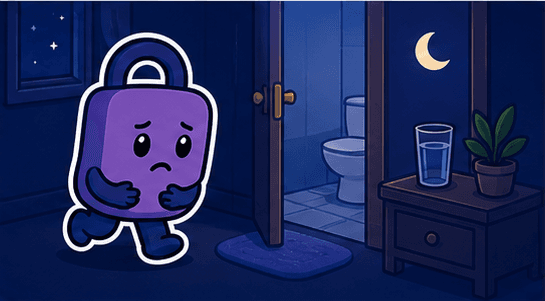
Do you wake up more than once at night to urinate? Nocturia disrupts your sleep quality and causes daytime fatigue. Learn why you're making frequent nighttime bathroom trips and how to improve this condition.
What is Nocturia?
Nocturia is the condition of waking up one or more times at night to urinate. While waking once or twice might not seem serious, waking multiple times every night significantly impacts your sleep quality.
Particularly when waking from deep sleep, it becomes difficult to fall back asleep, and your sleep cycles get disrupted, leaving you tired even after adequate sleep. While nocturia becomes more common with age, it can also occur in younger people due to lifestyle habits or health issues.
Pay Attention
If you wake up 2 or more times each night to urinate, you should consider nocturia. It may signal not only poor sleep quality but also other health issues.
Main Causes of Nocturia
There are several reasons why you might need to urinate frequently at night.
Excessive Fluid Intake
Drinking lots of water or beverages in the evening increases nighttime urine volume. Caffeine and alcohol especially worsen nocturia due to their diuretic effects.
Enlarged Prostate
In men, an enlarged prostate can press on the bladder and cause nocturia. This is a common cause in men over 50.
Overactive Bladder
This is a condition where the bladder contracts abnormally, causing frequent urination. It's characterized by sudden, hard-to-control urges to urinate.
Sleep Apnea
Sleep apnea can cause the release of hormones that increase nighttime urine production, leading to nocturia.
Diabetes
Diabetes causes excessive thirst leading to increased fluid intake, and high blood sugar increases urine output.
Heart Failure and Edema
Fluid that accumulates in the legs during the day gets reabsorbed when lying down and is excreted as urine at night.
How Nocturia Affects Sleep
Nocturia goes beyond simple inconvenience to significantly impact your health.
Sleep Fragmentation
Waking during deep sleep disrupts sleep cycles and dramatically reduces sleep quality.
Daytime Sleepiness
Inadequate sleep at night leads to drowsiness and fatigue during the day.
Fall Risk
Especially for elderly people, the risk of falling while going to the bathroom in the dark is high.
Reduced Quality of Life
Chronic sleep deprivation negatively affects concentration, memory, and mood.
How to Improve Nocturia
Lifestyle changes can help reduce nocturia.
Reduce Evening Fluid Intake
Reduce water and beverage intake 2-3 hours before bed. Focus your daily fluid intake in the morning and afternoon.
Avoid Caffeine and Alcohol
Don't drink caffeinated beverages in the late afternoon, and avoid alcohol before bed. Their diuretic effects worsen nocturia.
Empty Bladder Before Bed
Always empty your bladder right before sleep. Making it a habit to fully empty reduces the chance of waking at night.
Elevate Your Legs
Elevating your legs for 30 minutes to an hour in the evening helps drain accumulated fluid, reducing nighttime urination.
Maintain Regular Sleep Schedule
Keeping a consistent bedtime helps stabilize your body's circadian rhythm, which can improve nocturia.
Reduce Salt Intake
Salty foods cause thirst and fluid retention. A low-sodium diet can help reduce nocturia.
When to See a Doctor
Consult a specialist if you experience the following:
- Waking up 2 or more times every night to urinate
- Pain or discomfort while urinating
- Blood in your urine
- Sudden onset or rapid worsening of nocturia symptoms
- Nocturia accompanied by leg swelling or shortness of breath
Peaceful Nights, Deep Sleep
Nocturia is a common condition but significantly impacts sleep quality and health. Don't dismiss it as simply aging—actively manage it.
Lifestyle changes alone can be very effective, and if symptoms are severe or accompanied by other issues, consult a healthcare professional.
⚠️ Important Notice
This article is for informational purposes only and is not a substitute for professional medical advice, diagnosis, or treatment. If you suspect you have a sleep disorder or any health condition, please consult a doctor or sleep specialist.

Take the First Step to Better Sleep
Build healthy sleep habits with Good Night Lock.
Download Good Night LockRelated Articles
The Complete Guide to Insomnia: Causes, Symptoms, and Scientifically Proven Treatments
Do you find yourself staring at the ceiling every night, tossing and turning? Does it take you more than 30 minutes to fall asleep, or do you keep waking up in the early morning? Insomnia, experienced by 1 in 3 adults worldwide, isn't just about 'not being able to sleep.' Let's explore the scientific causes of insomnia through to evidence-based treatments.
Complete Guide to Narcolepsy: Symptoms, Causes, Diagnosis, and Treatment
Sudden overwhelming sleepiness, knees buckling while laughing... Narcolepsy isn't just 'being sleepy.' It's a neurological disorder caused by hypocretin deficiency. Learn everything about this condition that affects 1 in 2,000 people.
The Complete Guide to Snoring: Causes, Risks, and Solutions
Do you wake your partner every night with thunderous snoring? Or have you ever been startled awake by your own snoring? Snoring isn't just a noisy nuisance—it can be a signal of underlying health issues. About 40% of adults worldwide snore habitually, and some cases involve serious sleep apnea. Let's explore everything from the causes of snoring to effective treatments.
Orthosomnia: When Sleep Tracking Disrupts Your Sleep
Do you feel more anxious after checking your sleep score on your smartwatch? Has your pursuit of perfect sleep actually made it harder to sleep? This is 'Orthosomnia.' As sleep tracking devices become mainstream, we explore this modern sleep disorder that has emerged from our obsession with sleep data.
Awake Until Dawn? It Could Be Delayed Sleep Phase Syndrome (DSPS)
Do you try to fall asleep every night but can't until 2-3 AM, and then struggle terribly to wake up in the morning? If being a 'night owl' is seriously disrupting your daily life, you might have Delayed Sleep Phase Syndrome (DSPS).
Why Can't I Sleep? Understanding Insomnia and Sleep Disorders
Lying in bed but can't fall asleep? Does trying harder to sleep only make you feel more awake? Learn about the causes and solutions to this common problem faced by many modern people.