Why Do We Need Sleep? The Amazing Changes During NREM Sleep
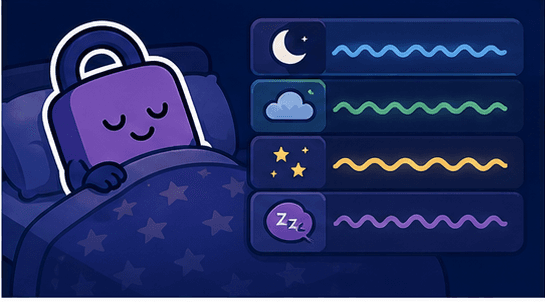
Sleep takes up about one-third of our lives. While it's easy to think of it as just rest time, remarkable recovery and regeneration occur in our bodies during NREM (Non-REM) sleep. Let's discover the secrets of NREM sleep and its importance.
What is NREM Sleep?
NREM (Non-REM) sleep refers to all sleep stages that are not REM sleep. It's divided into 3 stages and accounts for about 75-80% of total sleep. The most important recovery occurs during N3, the deep sleep stage.
N1 Stage (Light Sleep)
The stage when you start falling asleep and can be easily awakened. It accounts for about 5% of total sleep.
N2 Stage (Stable Sleep)
The stage where body temperature drops and heart rate slows. It accounts for about 45-50% of total sleep.
N3 Stage (Deep Sleep)
Also called slow-wave sleep, this is when physical recovery is most active. It accounts for about 20-25% of total sleep.
Sleep Cycles
4-6 sleep cycles repeat throughout the night, with deep sleep concentrated in the early part of the night.
What Happens to Your Body During NREM Sleep
During NREM sleep, especially deep sleep stages, various body systems enter recovery mode.
Growth Hormone Secretion
Growth hormone is most abundantly released during deep sleep. This hormone is essential for cell regeneration, muscle growth, and tissue repair.
Immune System Boost
During deep sleep, immune cells are activated and cytokines are released, increasing resistance to disease and infection.
Brain Waste Removal
The glymphatic system activates to remove waste and toxins (including amyloid beta) accumulated in the brain.
Energy Recovery
Muscle glycogen is replenished and ATP is regenerated, charging energy for the next day.
Hormone Balance Regulation
Cortisol, insulin, and appetite-regulating hormones are adjusted to normal levels.
Cardiovascular Rest
Blood pressure and heart rate decrease, allowing the heart and blood vessels to rest.
What If NREM Sleep Is Insufficient?
When deep sleep isn't adequate, various problems occur in the body and brain.
Delayed Physical Recovery
Wound healing slows, muscle soreness lingers, and post-exercise recovery takes longer.
Weakened Immunity
You catch colds frequently and your resistance to illness weakens.
Cognitive Decline
Concentration, memory, and judgment deteriorate, affecting daily tasks.
Chronic Fatigue
No matter how long you sleep, you don't feel refreshed and remain drowsy during the day.
Deep Sleep Quality Self-Assessment
If you experience these symptoms, you may be lacking deep sleep.
Not Feeling Refreshed in the Morning
You feel tired and heavy despite getting enough sleep.
Daytime Drowsiness
You become irresistibly sleepy in the afternoon.
Frequent Awakening
You wake up multiple times at night or feel like you're sleeping lightly.
Poor Concentration
It's hard to focus on work and you often zone out.
Mood Changes
You become more irritable and have difficulty controlling emotions.
How to Increase Deep Sleep
Effective methods to increase NREM sleep, especially deep sleep.
Regular Sleep Schedule
Going to bed and waking up at the same time every day stabilizes sleep cycles and increases deep sleep.
Increase Daytime Activity
Exercise and physical activity promote deep sleep. However, avoid vigorous exercise within 3 hours of bedtime.
Optimize Sleep Environment
A dark, quiet, and cool bedroom helps deep sleep. Ideal room temperature is 64-68°F (18-20°C).
Limit Caffeine and Alcohol
Avoid caffeine 6 hours before bedtime and alcohol 3 hours before bedtime.
Manage Stress
Practice meditation, deep breathing, or light stretching before bed to relax.
Additional Tips for Deep Sleep
- •Take a warm bath 1-2 hours before bed to regulate body temperature
- •Reduce electronic device use before bed to block blue light
- •Keep naps under 20 minutes and before 3 PM
- •Use the bedroom only for sleep
- •If you can't fall asleep, get out of bed and do another activity
When to Consult a Specialist
- •If extreme fatigue continues despite adequate sleep every day
- •If you snore or have sleep apnea
- •If you wake frequently at night and have trouble falling back asleep
- •If daytime drowsiness interferes with daily life
- •If unusual behaviors occur during sleep
Conclusion: Sleep Quality Determines Life Quality
NREM sleep, especially deep sleep, is not just rest. It's essential time for our body and brain to recover and regenerate.
Practice the methods introduced today to improve your deep sleep quality. Healthy sleep creates a healthy tomorrow.
⚠️ Important Notice
This article is for informational purposes only and is not a substitute for professional medical advice, diagnosis, or treatment. If you suspect you have a sleep disorder or any health condition, please consult a doctor or sleep specialist.

Take the First Step to Better Sleep
Build healthy sleep habits with Good Night Lock.
Download Good Night LockRelated Articles
Why Is It So Hard to Wake Up in the Morning? Understanding Sleep Inertia
Do you find yourself hitting the snooze button multiple times every morning? Feel like you need an extra hour of sleep no matter how long you slept? You're experiencing sleep inertia - a fascinating phenomenon that affects millions of people worldwide.
Why Alcohol Disrupts Your Sleep (Even Though It Makes You Drowsy)
After a drink or two, you might feel relaxed and sleepy—perfect for bedtime, right? Not quite. While alcohol can make you drowsy initially, it actually sabotages your sleep quality in ways that leave you feeling tired the next day. Let's uncover the science behind alcohol's complex relationship with sleep.
The Napoleon Sleep Method: The Truth About 4-Hour Sleep
Have you heard the story about Napoleon, the great conqueror, who exercised powerful leadership while sleeping only 4 hours a day? Is this sleep method really effective? And did Napoleon actually use this method?

Why Do We Dream So Often? The Science Behind Frequent Dreams
Why do we have vivid dreams on some nights while remembering nothing on others? Let's explore the science of dreams to understand why we dream and how we can enjoy more restful nights.
The Science of Pulling an All-Nighter: How 24 Hours Without Sleep Affects Your Body and Brain
Cramming for an exam, racing against a project deadline, or staying up all night with friends—we've all been there. But what actually happens to your body and brain when you go a full 24 hours without sleep? Let's explore the science behind all-nighters and learn how to handle them when they're truly unavoidable.
Melatonin Side Effects: What to Know About 5mg & 10mg Doses
Melatonin is a natural hormone and popular sleep aid that helps millions get better rest. However, different dosages can come with various side effects. Let's explore how melatonin works, what side effects to watch for at different doses, and how to use it safely.