Sleeping Too Much? Causes of Oversleeping and Health Warning Signs
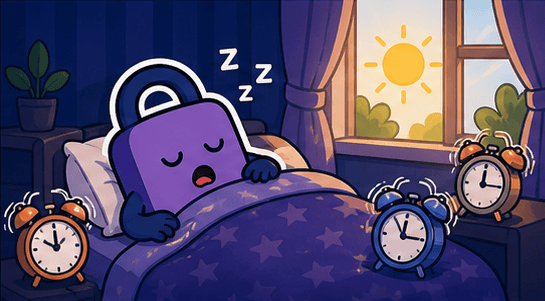
Still tired after getting enough sleep and want to sleep more? Not refreshed even after 9+ hours of sleep? Oversleeping might not just be laziness. Learn about the causes and solutions for hypersomnia, which could be a sign of hidden health issues.
What is Oversleeping?
The optimal sleep duration for adults is 7-9 hours. However, if you still feel tired after sleeping 10+ hours or experience excessive daytime sleepiness, you might have hypersomnia.
Oversleeping isn't just about sleeping a lot—it's a condition where you feel excessively drowsy despite getting enough sleep. This can seriously affect your daily life and health.
Normal vs. Hypersomnia
Occasionally sleeping longer is normal. But if you sleep 10+ hours daily without feeling refreshed and experience extreme daytime drowsiness, it could be hypersomnia.
Main Causes of Oversleeping
Oversleeping can be caused by various factors.
Sleep Disorders
Sleep disorders like sleep apnea and narcolepsy reduce sleep quality, causing excessive daytime sleepiness.
Depression
Hypersomnia is a common symptom of depression, often accompanied by lethargy and lack of motivation.
Hypothyroidism
Insufficient thyroid hormones slow down metabolism, causing extreme fatigue and oversleeping.
Medication Side Effects
Some medications like antihistamines, antidepressants, and sedatives can cause drowsiness.
Chronic Fatigue Syndrome
A condition of unexplained extreme fatigue lasting 6+ months, often accompanied by oversleeping.
Health Effects of Oversleeping
You might think sleeping more is better, but oversleeping can actually harm your health.
Increased Cardiovascular Risk
Research shows people sleeping 9+ hours daily have higher risks of heart disease and stroke.
Obesity Risk
Oversleeping leads to reduced physical activity and metabolic issues, increasing obesity risk.
Diabetes Risk
Oversleeping can impair blood sugar regulation, increasing type 2 diabetes risk.
Cognitive Decline
Oversleeping is associated with decreased concentration, memory, and brain function.
How to Improve Oversleeping
Practical methods to improve oversleeping.
Regular Sleep Schedule
Develop the habit of sleeping and waking at the same time daily. Maintaining consistency even on weekends is important.
Use an Alarm
Set an alarm for after optimal sleep duration (7-8 hours) and get up immediately when it rings.
Get Morning Sunlight
Exposing yourself to sunlight upon waking suppresses melatonin and promotes alertness.
Limit Naps
If you nap, limit it to under 20 minutes and before 3 PM.
Exercise
Regular exercise improves sleep quality and helps maintain daytime alertness.
Use Caffeine Wisely
Moderate caffeine in the morning aids alertness, but avoid it in the afternoon.
When to Seek Professional Help
Consult a doctor if:
- Fatigue persists despite sleeping 10+ hours daily
- You suddenly fall asleep during the day or can't resist drowsiness
- Oversleeping is accompanied by depression or lethargy
- Snoring or breathing stops during sleep are suspected
- Symptoms don't improve even after reducing sleep time
Creating a Healthy Life with Optimal Sleep
Sleep can be problematic when insufficient or excessive. Maintaining 7-9 hours of optimal sleep and developing regular sleep habits is crucial.
If oversleeping persists, don't dismiss it as just fatigue—check for hidden health issues.
⚠️ Important Notice
This article is for informational purposes only and is not a substitute for professional medical advice, diagnosis, or treatment. If you suspect you have a sleep disorder or any health condition, please consult a doctor or sleep specialist.

Take the First Step to Better Sleep
Build healthy sleep habits with Good Night Lock.
Download Good Night LockRelated Articles
Why Is It So Hard to Wake Up in the Morning? Understanding Sleep Inertia
Do you find yourself hitting the snooze button multiple times every morning? Feel like you need an extra hour of sleep no matter how long you slept? You're experiencing sleep inertia - a fascinating phenomenon that affects millions of people worldwide.
Why Alcohol Disrupts Your Sleep (Even Though It Makes You Drowsy)
After a drink or two, you might feel relaxed and sleepy—perfect for bedtime, right? Not quite. While alcohol can make you drowsy initially, it actually sabotages your sleep quality in ways that leave you feeling tired the next day. Let's uncover the science behind alcohol's complex relationship with sleep.
The Napoleon Sleep Method: The Truth About 4-Hour Sleep
Have you heard the story about Napoleon, the great conqueror, who exercised powerful leadership while sleeping only 4 hours a day? Is this sleep method really effective? And did Napoleon actually use this method?
Why Do We Dream So Often? The Science Behind Frequent Dreams
Why do we have vivid dreams on some nights while remembering nothing on others? Let's explore the science of dreams to understand why we dream and how we can enjoy more restful nights.
The Science of Pulling an All-Nighter: How 24 Hours Without Sleep Affects Your Body and Brain
Cramming for an exam, racing against a project deadline, or staying up all night with friends—we've all been there. But what actually happens to your body and brain when you go a full 24 hours without sleep? Let's explore the science behind all-nighters and learn how to handle them when they're truly unavoidable.
Melatonin Side Effects: What to Know About 5mg & 10mg Doses
Melatonin is a natural hormone and popular sleep aid that helps millions get better rest. However, different dosages can come with various side effects. Let's explore how melatonin works, what side effects to watch for at different doses, and how to use it safely.