Self-Diagnosing Insomnia: What is the Pittsburgh Sleep Quality Index (PSQI)?
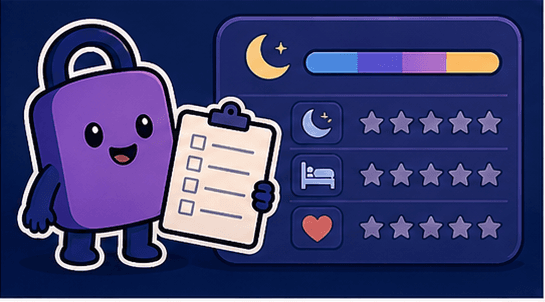
Do you struggle to fall asleep every night or wake up frequently? If you're curious about how serious your sleep problems are, try self-assessing with the Pittsburgh Sleep Quality Index (PSQI), a tool used by professionals. Learn what this test is and how to use it.
What is the PSQI?
The Pittsburgh Sleep Quality Index (PSQI) is a sleep quality assessment tool developed at the University of Pittsburgh in 1989. It's the most widely used standardized questionnaire in healthcare settings and sleep research worldwide.
The PSQI evaluates your sleep status over the past month and objectively determines whether your sleep quality is 'good' or 'poor'. It's very useful for understanding your sleep condition before seeing a doctor.
Key Point
PSQI doesn't just measure sleep duration—it comprehensively evaluates sleep quality, sleep latency, sleep efficiency, and sleep disturbance factors.
The 7 Components PSQI Evaluates
PSQI rates each of the following 7 components from 0-3 points. The total score ranges from 0-21.
Subjective Sleep Quality
Your overall perceived sleep quality (very good to very bad)
Sleep Latency
Time it takes to fall asleep after going to bed
Sleep Duration
Total actual sleep time (in hours)
Habitual Sleep Efficiency
Ratio of actual sleep time to time spent in bed
Sleep Disturbances
Factors that disturb sleep: nighttime awakenings, bathroom visits, pain, snoring, etc.
Sleep Medication Use
Frequency of prescription or over-the-counter sleep aid use
Daytime Dysfunction
Impact on daily activities due to daytime sleepiness or lack of energy
How to Interpret Your Score
PSQI total score ranges from 0-21, with higher scores indicating poorer sleep quality.
Generally, a score of 5 is used to distinguish between 'good sleep' and 'poor sleep'. However, this threshold is a reference point, not an absolute standard.
PSQI Score Interpretation
Quick Self-Assessment Checklist
The official PSQI consists of 19 questions, but you can do a quick sleep status check with these questions.
Check This
If you answered 'yes' to 3 or more questions above, consider taking the full PSQI or consulting a specialist.
How to Use Your PSQI Results
If your PSQI score is high, consider these next steps.
Keep a Sleep Diary
Record your bedtime/wake time, sleep quality, and daytime condition for 1-2 weeks. This helps identify patterns.
Check Sleep Hygiene
Review habits that may disturb sleep: smartphone use before bed, caffeine intake, irregular sleep schedule.
Consult a Professional
If your PSQI score is 10+ or symptoms persist for more than a month, consider seeing a sleep specialist.
Consider Additional Testing
If you have snoring or sleep apnea symptoms, consider a polysomnography (sleep study).
Don't Ignore Sleep Problems
PSQI is a useful tool for objectively assessing your sleep status. A high score doesn't mean you have a sleep disorder diagnosis, but it's a signal that improvement is needed.
Good sleep is the foundation of health. Start reviewing your sleep habits today and seek professional help if needed.
⚠️ Important Notice
This article is for informational purposes only and is not a substitute for professional medical advice, diagnosis, or treatment. If you suspect you have a sleep disorder or any health condition, please consult a doctor or sleep specialist.

Take the First Step to Better Sleep
Build healthy sleep habits with Good Night Lock.
Download Good Night LockRelated Articles
Why Is It So Hard to Wake Up in the Morning? Understanding Sleep Inertia
Do you find yourself hitting the snooze button multiple times every morning? Feel like you need an extra hour of sleep no matter how long you slept? You're experiencing sleep inertia - a fascinating phenomenon that affects millions of people worldwide.
Why Alcohol Disrupts Your Sleep (Even Though It Makes You Drowsy)
After a drink or two, you might feel relaxed and sleepy—perfect for bedtime, right? Not quite. While alcohol can make you drowsy initially, it actually sabotages your sleep quality in ways that leave you feeling tired the next day. Let's uncover the science behind alcohol's complex relationship with sleep.
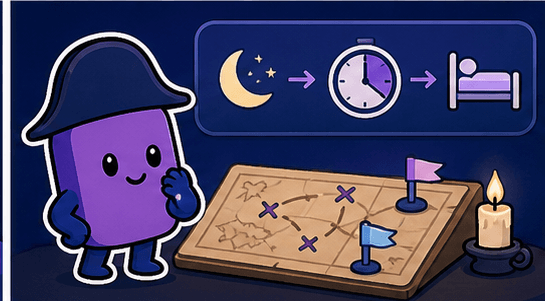
The Napoleon Sleep Method: The Truth About 4-Hour Sleep
Have you heard the story about Napoleon, the great conqueror, who exercised powerful leadership while sleeping only 4 hours a day? Is this sleep method really effective? And did Napoleon actually use this method?

Why Do We Dream So Often? The Science Behind Frequent Dreams
Why do we have vivid dreams on some nights while remembering nothing on others? Let's explore the science of dreams to understand why we dream and how we can enjoy more restful nights.
The Science of Pulling an All-Nighter: How 24 Hours Without Sleep Affects Your Body and Brain
Cramming for an exam, racing against a project deadline, or staying up all night with friends—we've all been there. But what actually happens to your body and brain when you go a full 24 hours without sleep? Let's explore the science behind all-nighters and learn how to handle them when they're truly unavoidable.
Melatonin Side Effects: What to Know About 5mg & 10mg Doses
Melatonin is a natural hormone and popular sleep aid that helps millions get better rest. However, different dosages can come with various side effects. Let's explore how melatonin works, what side effects to watch for at different doses, and how to use it safely.