REM vs Non-REM Sleep: A Complete Comparison Guide
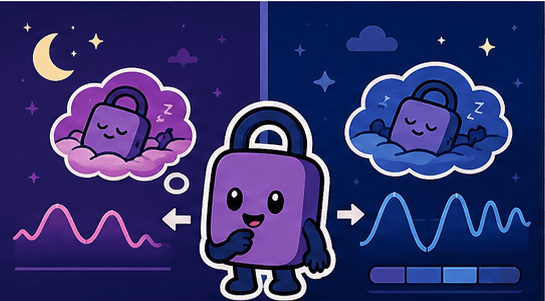
Sleep is not just about closing your eyes and resting. Throughout the night, your body alternates between REM and Non-REM (NREM) sleep, performing different essential functions at each stage. Understanding the differences and roles of these two sleep stages can help you improve your sleep quality.
What is REM Sleep?
REM (Rapid Eye Movement) sleep is a sleep stage characterized by rapid eye movements. During this stage, the brain is highly active, similar to when awake, but the body's muscles are temporarily paralyzed.
REM sleep accounts for about 20-25% of total sleep, and REM periods get longer as sleep cycles progress. Most dreams occur during this stage.
REM Sleep Features
- •Rapid eye movements
- •Increased brain activity (similar to wakefulness)
- •Muscle paralysis (sleep atonia)
- •Vivid dreams
- •Irregular heart rate and breathing
What is Non-REM (NREM) Sleep?
Non-REM sleep consists of three stages (N1, N2, N3) and accounts for about 75-80% of total sleep. It plays a crucial role in physical recovery and growth.
N1 (Transition Stage)
Light sleep stage where you can wake easily. Makes up about 5% of total sleep.
N2 (Light Sleep)
Body temperature drops and heart rate slows. Makes up about 45-50% of total sleep.
N3 (Deep Sleep)
The deepest sleep stage where most physical recovery occurs. Delta waves appear.
Key Differences Between REM and NREM
The two sleep stages differ in several significant ways.
| REM | NREM | |
|---|---|---|
| Brain Activity | High (similar to wakefulness) | Low (especially in N3) |
| Eye Movement | Rapid movements | Slow or none |
| Muscle Activity | Nearly complete paralysis | Relaxed but movement possible |
| Dreams | Vivid, narrative dreams | Fragmentary or few |
| Body Functions | Irregular heart rate, breathing | Regular decrease in heart rate, breathing |
The Role of Each Sleep Stage
REM Sleep Benefits
- •Memory consolidation and learning enhancement
- •Emotional processing and regulation
- •Improved creativity and problem-solving
- •Brain development (especially in infants)
Non-REM Sleep Benefits
- •Physical recovery and tissue repair
- •Immune function enhancement
- •Growth hormone release
- •Energy restoration
- •Brain waste removal
Understanding Sleep Cycles
A healthy adult goes through 4-6 sleep cycles per night. Each cycle lasts about 90 minutes and progresses from NREM to REM.
Deep sleep (N3) is more prominent in the early hours, while REM sleep periods get longer toward morning. This is why you tend to remember dreams better in the morning.
Key Point
Completing full sleep cycles without interruption is the key to quality sleep.
How to Optimize Each Sleep Stage
Increase Deep Sleep
Regular exercise, limit electronics before bed, maintain a cool sleep environment
Increase REM Sleep
Ensure sufficient sleep time, avoid alcohol, maintain a consistent sleep schedule
Complete Sleep Cycles
Plan sleep in 90-minute multiples, create an environment that prevents waking
Effects of Sleep Stage Imbalance
Lacking certain sleep stages can cause various problems.
REM Sleep Deficiency
Memory impairment, reduced focus, difficulty regulating emotions, decreased learning ability
Deep Sleep Deficiency
Chronic fatigue, weakened immunity, delayed physical recovery, reduced growth hormone secretion
Conclusion
REM and Non-REM sleep each serve different vital roles, and both are essential for healthy sleep.
By ensuring sufficient sleep time, optimizing your sleep environment, and maintaining regular sleep habits, you can experience a balanced mix of both sleep stages.
⚠️ Important Notice
This article is for informational purposes only and is not a substitute for professional medical advice, diagnosis, or treatment. If you suspect you have a sleep disorder or any health condition, please consult a doctor or sleep specialist.

Take the First Step to Better Sleep
Build healthy sleep habits with Good Night Lock.
Download Good Night LockRelated Articles
Why Is It So Hard to Wake Up in the Morning? Understanding Sleep Inertia
Do you find yourself hitting the snooze button multiple times every morning? Feel like you need an extra hour of sleep no matter how long you slept? You're experiencing sleep inertia - a fascinating phenomenon that affects millions of people worldwide.
Why Alcohol Disrupts Your Sleep (Even Though It Makes You Drowsy)
After a drink or two, you might feel relaxed and sleepy—perfect for bedtime, right? Not quite. While alcohol can make you drowsy initially, it actually sabotages your sleep quality in ways that leave you feeling tired the next day. Let's uncover the science behind alcohol's complex relationship with sleep.
The Napoleon Sleep Method: The Truth About 4-Hour Sleep
Have you heard the story about Napoleon, the great conqueror, who exercised powerful leadership while sleeping only 4 hours a day? Is this sleep method really effective? And did Napoleon actually use this method?

Why Do We Dream So Often? The Science Behind Frequent Dreams
Why do we have vivid dreams on some nights while remembering nothing on others? Let's explore the science of dreams to understand why we dream and how we can enjoy more restful nights.
The Science of Pulling an All-Nighter: How 24 Hours Without Sleep Affects Your Body and Brain
Cramming for an exam, racing against a project deadline, or staying up all night with friends—we've all been there. But what actually happens to your body and brain when you go a full 24 hours without sleep? Let's explore the science behind all-nighters and learn how to handle them when they're truly unavoidable.
Melatonin Side Effects: What to Know About 5mg & 10mg Doses
Melatonin is a natural hormone and popular sleep aid that helps millions get better rest. However, different dosages can come with various side effects. Let's explore how melatonin works, what side effects to watch for at different doses, and how to use it safely.