What Is Segmented Sleep? Everything About Sleeping in Two Phases
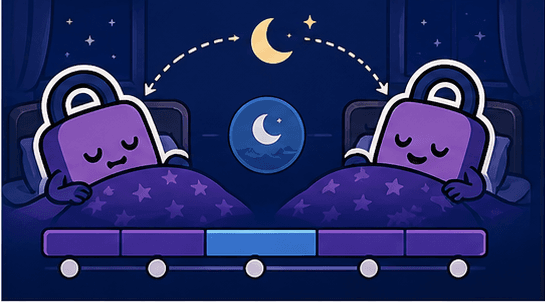
Segmented sleep is a sleep pattern where daily sleep is divided into two or more periods. This sleep method was naturally accepted in many cultures throughout history and is gaining renewed attention in modern society. Learn about the history, pros and cons, and effective practices of segmented sleep.
What Is Segmented Sleep?
Segmented sleep refers to a sleep pattern where instead of sleeping continuously at night, sleep is divided into two or more periods. The most common form is biphasic sleep, divided into 'first sleep' and 'second sleep'.
In pre-industrial times, this sleep pattern was very common, and it was a natural part of daily life to wake up at night to pray, read, or have conversations.
Key Information
According to historian Roger Ekirch's research, most people in pre-industrial Europe stayed awake for 1-2 hours between their 'first sleep' and 'second sleep'.
History of Segmented Sleep
Segmented sleep was the standard way of sleeping for most of human history.
Medieval Europe
References to 'first sleep' and 'second sleep' appear abundantly in literature. The waking time between sleeps was used for prayer, meditation, and conversation.
Pre-Industrial Revolution
Without artificial lighting, people went to bed around sunset, woke up around midnight, and fell back asleep before dawn.
Post-Industrial Revolution
With the spread of electric lighting and factory work schedules, continuous 8-hour sleep became the standard.
Modern Era
Some researchers and biohackers are re-examining the benefits of segmented sleep, sparking renewed interest.
Benefits of Segmented Sleep
Natural Sleep Rhythm
Studies of people living without artificial light show that segmented sleep patterns emerge naturally.
Enhanced Creativity
The waking period between sleeps puts the brain in a relaxed state that may promote creative thinking.
Flexible Schedule
The waking time can be used for personal activities like meditation, reading, or reflection.
Reduced Stress
Accepting nighttime waking as 'normal' can reduce anxiety about insomnia.
Drawbacks of Segmented Sleep
Conflict with Modern Life
May be difficult to align with 9-5 work or school schedules.
Social Isolation
Having a different sleep pattern from family or partners can affect relationships.
Adjustment Period
Adapting to a new sleep pattern can take weeks to months.
Sleep Debt Risk
Poor management can reduce total sleep time and accumulate sleep debt.
Types of Segmented Sleep
Biphasic Sleep
Most common form. Sleep 4-5 hours at night, stay awake 1-2 hours, then sleep another 3-4 hours.
Siesta Pattern
Sleep 6 hours at night plus 20-90 minute afternoon nap. Common in Mediterranean cultures.
Everyman Sleep
3-4 hours core sleep at night + three 20-minute naps during the day. A more extreme segmented pattern.
Dual Core Sleep
3.5 hours in evening + 1.5 hours at dawn, utilizing the waking time in between.
Getting Started with Segmented Sleep
Gradual Transition
Don't change suddenly. Gradually adjust your bedtime and give your body time to adapt.
Plan Your Waking Time
Decide in advance what activities you'll do when awake at night. Avoid screen use.
Maintain Consistency
Keep the same sleep and wake times every day.
Create the Right Environment
Avoid bright lights during waking periods and maintain a comfortable environment.
Monitor Total Sleep Time
Even when dividing sleep, ensure you get 7-8 hours total.
Who Is Segmented Sleep Right For?
Segmented sleep isn't suitable for everyone. Consider it if you:
- Tend to wake up naturally during the night
- Are a freelancer or remote worker with flexible hours
- Want quiet time for creative work
- Experience insomnia with traditional sleep patterns
- Practice meditation or spiritual disciplines
Conclusion
Segmented sleep was a natural way of sleeping for much of human history. Modern continuous 8-hour sleep is a product of industrialization and may not be optimal for everyone.
Before trying segmented sleep, consider your lifestyle, work requirements, and health status. Whatever sleep pattern you choose, ensuring adequate total sleep time is most important.
⚠️ Important Notice
This article is for informational purposes only and is not a substitute for professional medical advice, diagnosis, or treatment. If you suspect you have a sleep disorder or any health condition, please consult a doctor or sleep specialist.

Take the First Step to Better Sleep
Build healthy sleep habits with Good Night Lock.
Download Good Night LockRelated Articles
Why Is It So Hard to Wake Up in the Morning? Understanding Sleep Inertia
Do you find yourself hitting the snooze button multiple times every morning? Feel like you need an extra hour of sleep no matter how long you slept? You're experiencing sleep inertia - a fascinating phenomenon that affects millions of people worldwide.
Why Alcohol Disrupts Your Sleep (Even Though It Makes You Drowsy)
After a drink or two, you might feel relaxed and sleepy—perfect for bedtime, right? Not quite. While alcohol can make you drowsy initially, it actually sabotages your sleep quality in ways that leave you feeling tired the next day. Let's uncover the science behind alcohol's complex relationship with sleep.
The Napoleon Sleep Method: The Truth About 4-Hour Sleep
Have you heard the story about Napoleon, the great conqueror, who exercised powerful leadership while sleeping only 4 hours a day? Is this sleep method really effective? And did Napoleon actually use this method?
Why Do We Dream So Often? The Science Behind Frequent Dreams
Why do we have vivid dreams on some nights while remembering nothing on others? Let's explore the science of dreams to understand why we dream and how we can enjoy more restful nights.
The Science of Pulling an All-Nighter: How 24 Hours Without Sleep Affects Your Body and Brain
Cramming for an exam, racing against a project deadline, or staying up all night with friends—we've all been there. But what actually happens to your body and brain when you go a full 24 hours without sleep? Let's explore the science behind all-nighters and learn how to handle them when they're truly unavoidable.
Melatonin Side Effects: What to Know About 5mg & 10mg Doses
Melatonin is a natural hormone and popular sleep aid that helps millions get better rest. However, different dosages can come with various side effects. Let's explore how melatonin works, what side effects to watch for at different doses, and how to use it safely.