The Ultimate Side Sleeper Pillow Guide: Finding Your Perfect Match
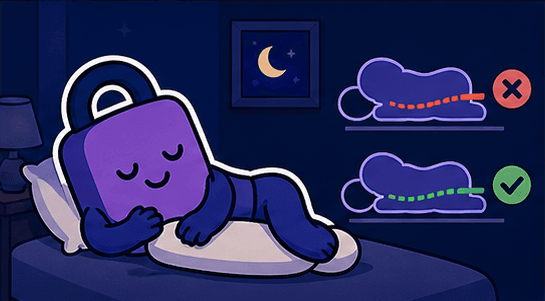
Side sleeping is the most popular sleep position, but it also puts unique demands on your pillow. The wrong pillow can lead to neck pain, shoulder discomfort, and poor sleep quality. This comprehensive guide will help you understand exactly what to look for in a side sleeper pillow and how to choose the perfect one for your body type and preferences.
Why Side Sleepers Need Special Pillows
Side sleeping creates a significant gap between your head and the mattress due to the width of your shoulder. This gap needs to be filled properly to maintain neutral spine alignment throughout the night.
When your pillow is too low, your head tilts downward, straining your neck muscles and potentially pinching nerves. When it's too high, your head tilts upward, creating tension in the opposite direction. Either scenario can lead to morning stiffness, headaches, and long-term spinal issues.
The Golden Rule
Your pillow should fill the space between your ear and shoulder, keeping your head, neck, and spine in a straight horizontal line when viewed from the front.
Additionally, side sleepers place considerable pressure on their shoulders and hips. The right pillow helps distribute this pressure more evenly while keeping your spine in its natural alignment.
Understanding Pillow Loft: The Most Critical Factor
Pillow loft (height) is the single most important consideration for side sleepers. The ideal loft depends on your shoulder width and mattress firmness.
Low Loft (3-4 inches)
Best for: Petite frames, narrow shoulders, or sleeping on very firm mattresses. Low loft pillows work well for people with small-to-average builds who sleep on surfaces that don't allow much sinkage.
Medium Loft (4-6 inches)
Best for: Average builds and shoulder widths. This is the most versatile loft range and works for the majority of side sleepers, especially on medium-firm mattresses.
High Loft (6+ inches)
Best for: Broad shoulders, larger builds, or sleeping on soft mattresses. If you have wide shoulders or your mattress has significant give, you'll need more height to maintain alignment.
Keep in mind that mattress firmness affects your effective pillow height. Soft mattresses allow your shoulder to sink deeper, requiring less loft. Firm mattresses provide less give, requiring more loft to fill the gap.
Pillow Firmness: Finding the Right Support Level
While loft determines height, firmness determines how well the pillow maintains that height under the weight of your head.
Soft Pillows
장점: Gentle on pressure points, comfortable for initial adjustment
단점: May collapse too much during the night, requiring constant readjustment, often insufficient support for side sleepers
적합: Light sleepers with narrow shoulders
Medium-Firm Pillows
장점: Balanced support and comfort, maintains loft throughout the night, adapts to movement
단점: May take a few nights to adjust to
적합: Most side sleepers (recommended)
Firm Pillows
장점: Excellent support, maintains shape perfectly, great for broad shoulders
단점: Can feel too rigid initially, may cause pressure points on ears
적합: People with very broad shoulders or who sleep on soft mattresses
Pillow Materials: Pros and Cons
The material inside your pillow affects everything from support to temperature regulation. Here's what you need to know about each type:
Memory Foam
Contours to your head and neck shape, providing customized support. Solid memory foam offers consistent support but can sleep hot. Shredded memory foam allows better airflow and adjustability.
적합: Side sleepers who need consistent support and pressure relief
고려사항: Choose gel-infused or ventilated designs for better cooling
Latex
Naturally springy and supportive with excellent breathability. Maintains loft well and resists compression. More responsive than memory foam with better temperature neutrality.
적합: Hot sleepers who need firm, consistent support
고려사항: Can be expensive; check for natural vs. synthetic latex
Down Alternative (Polyester)
Affordable and hypoallergenic. Soft and moldable but may compress too much for side sleepers. Typically requires frequent fluffing.
적합: Budget-conscious shoppers or those with allergies
고려사항: Often insufficient support for side sleeping unless very overstuffed
Down/Feather
Luxuriously soft and moldable. Can be fluffed to adjust loft. Natural temperature regulation but may compress significantly overnight.
적합: Those prioritizing softness over firm support
고려사항: Not suitable for allergy sufferers; may need frequent replacement
Buckwheat Hulls
Firm, adjustable support with excellent airflow. Hulls shift to conform to your shape while maintaining structure. Can be noisy initially.
적합: Side sleepers who want customizable, firm support
고려사항: Heavier than other options; has a learning curve
Adjustable/Hybrid
Typically shredded foam or a mix of materials in a zippered case. Allows you to add or remove fill to customize loft perfectly.
적합: Anyone unsure of their ideal loft or who shares pillows
고려사항: Takes experimentation to find the right fill level
Body Type and Pillow Selection
Your physical build significantly influences which pillow will work best for you. Here's how to match your body type to the right pillow specs:
Petite Build (Under 5'4", Narrow Shoulders)
추천: Low to medium loft (3-5 inches), soft to medium firmness
Smaller frames create less distance between head and mattress. Softer pillows provide adequate support without overwhelming smaller frames.
Average Build (5'4"-5'10", Average Shoulders)
추천: Medium loft (4-6 inches), medium to medium-firm
The sweet spot for most pillow designs. Most standard pillows are optimized for this range.
Large Build (Over 5'10", Broad Shoulders)
추천: High loft (6+ inches), medium-firm to firm
Broader shoulders create a larger gap that requires more height and firmness to maintain proper alignment.
Athletic Build (Broad Shoulders, Variable Height)
추천: High loft (6+ inches), firm
Muscular shoulders take up significant space. Extra firm support prevents excessive compression.
Remember: these are starting points. Your mattress firmness, personal preference, and any existing neck/shoulder issues should also factor into your decision.
Special Considerations for Side Sleepers
Shoulder Pain or Tension
Look for pillows with extra cushioning or a contoured design that provides a cutout for your shoulder. Memory foam and latex excel at pressure relief.
해결방법: Consider a pillow with a lower edge that allows your shoulder to nestle into it, or use a softer mattress topper to reduce shoulder pressure.
Neck Pain or Stiffness
Likely indicates your current pillow isn't supporting proper alignment. Focus on finding the right loft first, then adjust firmness.
해결방법: Cervical pillows or contoured designs can help maintain the natural curve of your neck while side sleeping.
Snoring or Sleep Apnea
Side sleeping itself helps reduce snoring, but pillow height matters. Too high can crimp airways.
해결방법: Medium loft with medium-firm support typically works best. Avoid pillows that tilt your head too far up or down.
Pregnancy Side Sleeping
Pregnant side sleepers often need extra support and may benefit from full-length body pillows.
해결방법: A firm, high-loft pillow for your head combined with a body pillow between your knees provides optimal support.
Hot Sleeping
Memory foam pillows can trap heat. Look for cooling features if you tend to sleep warm.
해결방법: Latex, buckwheat, or gel-infused memory foam with breathable covers work best for hot sleepers.
Common Mistakes Side Sleepers Make
Avoid these pitfalls when choosing and using your pillow:
- ✗
Using a back sleeper's pillow - These are too low for side sleeping and cause neck strain
- ✗
Doubling up pillows - This usually creates too much height and poor alignment; get one proper side sleeper pillow instead
- ✗
Ignoring shoulder width - This is just as important as your height when selecting loft
- ✗
Choosing based on softness alone - Soft doesn't mean comfortable for side sleepers; proper support matters more
- ✗
Not considering mattress firmness - Your pillow choice depends partly on how much your shoulder sinks into your mattress
- ✗
Keeping a pillow too long - Pillows lose support over time; replace every 1-3 years depending on material
How to Test If Your Pillow Is Right
Here's how to evaluate whether your current or new pillow is working:
The Mirror Test
Have someone photograph you from the front while lying on your side. Draw an imaginary line from your ear through your neck to your spine. This line should be perfectly horizontal. If it angles up or down, your loft is wrong.
The Morning Check
Wake up without neck stiffness or shoulder pain. If you're waking up sore or needing to stretch extensively, your pillow isn't providing adequate support.
The Adjustment Test
You shouldn't need to constantly adjust your pillow during the night. If you're frequently fluffing or repositioning, it's either too soft or the wrong loft.
The Hand Test
When lying on your side, you shouldn't need to put your hand under the pillow for extra height. This indicates your loft is too low.
Give a new pillow at least 3-5 nights before deciding if it works. Your body needs time to adjust to different support levels.
Finding Your Perfect Side Sleeper Pillow
Choosing the right pillow as a side sleeper comes down to three key factors: selecting the appropriate loft for your shoulder width, finding a firmness level that maintains that loft throughout the night, and choosing materials that match your comfort and temperature preferences.
Start by measuring the distance from your mattress to your ear while lying on your side—this is your target loft. Factor in your mattress firmness (softer = lower loft needed, firmer = higher loft needed). Then select a material that provides the right balance of support and comfort for your needs.
Remember that the best pillow is the one that keeps your spine aligned, doesn't cause pain, and lets you wake up refreshed. If you're still unsure, try our pillow selector tool to get personalized recommendations based on your specific measurements and preferences.
⚠️ Important Notice
This article is for informational purposes only and is not a substitute for professional medical advice, diagnosis, or treatment. If you suspect you have a sleep disorder or any health condition, please consult a doctor or sleep specialist.

Take the First Step to Better Sleep
Build healthy sleep habits with Good Night Lock.
Download Good Night LockRelated Articles

Optimal Sleep Temperature: The Science-Backed Guide to Better Sleep
Tossing and turning all night? Kicking off covers, then pulling them back on? Your bedroom temperature might be the problem. Sleep scientists recommend an optimal sleep temperature of 15-19°C (60-67°F). Discover why temperature matters so much for sleep and how to create the perfect sleep environment.
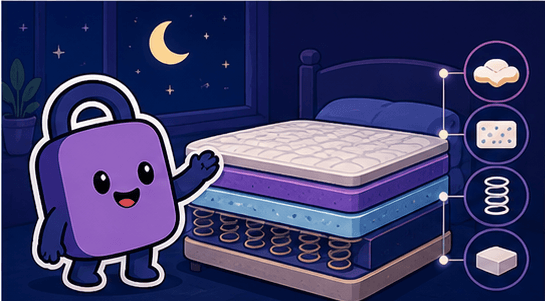
Mattress Guide: The Science Behind Your Bed
Have you heard that choosing a bed is a science? In reality, your mattress significantly impacts sleep quality. Let's explore scientifically why the right mattress matters and which type suits you best.

Dust Mites in Your Bedding? Allergy Symptoms and Proper Washing Methods
Did you know that dust mites hiding in your bedding could be affecting your sleep quality? These invisible creatures can trigger allergic reactions, causing nasal congestion, sneezing, and itching that disrupt your rest. Learn about dust mites and discover effective management strategies.
Body Pillow Guide: Benefits and How to Use One
A body pillow is a long pillow designed to support your entire body, particularly popular among side sleepers. From pregnant women to those with back pain, many people use body pillows. Learn about the correct usage and benefits of body pillows for better sleep.

Blackout Curtains for Better Sleep: Complete Guide to Choosing and Using
Light is one of the biggest disruptors of quality sleep. Even small amounts of light can interfere with melatonin production and disrupt your circadian rhythm. Blackout curtains offer a simple yet effective solution to create the dark environment your body needs for optimal rest. Here's everything you need to know about choosing and using blackout curtains for better sleep.

Mood Lighting and Sleep: How Light Color Affects Your Circadian Rhythm
The color temperature and intensity of light in your environment significantly impacts your sleep quality. While mood lighting can create ambiance, certain colors and brightness levels can either promote or prevent good sleep. Understanding the science of light and sleep helps you optimize your environment for rest.