Morning Person vs Night Owl: Everything About Chronotypes
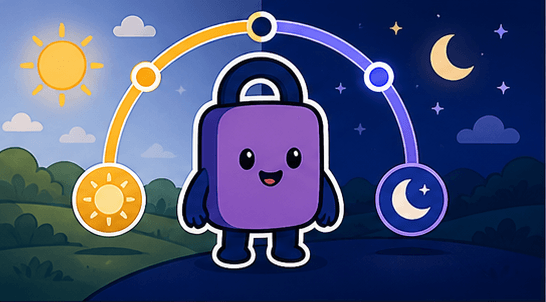
Why do some people wake up at dawn feeling refreshed, while others don't come alive until nightfall? It's not just about habits—it's your 'chronotype,' determined by your genes. From the scientific differences between morning and evening people to finding your optimal daily rhythm, this guide covers everything.
🦁 Discover Your Chronotype
Are you a morning Lion or a night Wolf? Take our quick test to find out.
What Is a Chronotype?
A chronotype is your body's natural sleep-wake pattern, determined by your internal biological clock. Simply put, it's your biological tendency for when you feel most alert and when you want to sleep throughout the day.
The important thing to understand is that chronotypes are determined by genetics, not habits. Several clock genes, including PER3, determine whether you're a morning person or a night owl. This is why it's so difficult to change even when you try to force it.
The 4 Chronotypes
🦁 Lion (Morning Type)
About 15-20% of the population. Wakes at dawn and is most productive in the morning. Gets sleepy by 9 PM.
🐻 Bear (Intermediate Type)
About 50-55% of the population. Follows the solar cycle. Most productive from mid-morning to early afternoon.
🐺 Wolf (Evening Type)
About 15-20% of the population. Creativity peaks at night, and waking up in the morning is genuinely difficult.
🐬 Dolphin (Irregular Type)
About 10% of the population. Light, sensitive sleeper. Has trouble falling asleep and wakes frequently.
Scientific Differences Between Morning and Evening Types
Differences in Biological Clocks
The biggest difference between morning and evening types is the timing of their circadian rhythms. Morning types have biological clocks that run 2-4 hours earlier, while evening types run 2-4 hours later.
This difference also shows in melatonin secretion timing. Morning types start producing melatonin around 8-9 PM, while evening types don't begin until around midnight.
Body Temperature Patterns
Body temperature fluctuates throughout the day—you feel sleepy when it drops and wake up when it rises. Morning types peak around 3-4 PM, while evening types peak around 6-8 PM.
This is why evening types are more active at night. Their bodies are in their most 'awake' state during evening hours.
Cortisol Secretion Patterns
Cortisol, known as the stress hormone, also serves to wake us up in the morning. Morning types experience a sharp cortisol spike early in the morning, while evening types have a slower, later rise.
Why Does Chronotype Matter?
Impact on Health
- •Living against your chronotype causes 'Social Jetlag'
- •Social jetlag increases risk of obesity, diabetes, and cardiovascular disease
- •Night owls forced to wake early suffer chronic sleep deprivation
- •Living in sync with your rhythm is much better for overall health
Productivity and Performance
- •Working during your chronotype's peak time can boost productivity by up to 26%
- •Morning types should schedule creative work in the morning; evening types in the afternoon/evening
- •Scheduling exams or important meetings during your optimal time improves performance
Mental Health
- •Mismatch between chronotype and lifestyle increases depression and anxiety risk
- •Evening types are often unfairly labeled as 'lazy,' causing stress
- •Understanding and accepting your chronotype is important for mental health
Optimal Daily Patterns by Chronotype
🦁 Lion (Morning Type) Guide
- 💡Schedule important and creative work in the morning
- 💡Handle routine tasks after lunch
- 💡Completely avoid caffeine after 7 PM
- 💡Dim lights and block blue light starting at 8 PM
- 💡Schedule evening plans early or avoid them
🐻 Bear (Intermediate Type) Guide
- 💡Tackle your most challenging work between 10 AM - 2 PM
- 💡Take a 20-minute power nap after lunch to recharge
- 💡Be cautious with caffeine after 2 PM
- 💡Maintaining a regular sleep schedule is key
- 💡Try to wake at similar times on weekends
🐺 Wolf (Evening Type) Guide
- 💡Take advantage of flexible work hours if possible
- 💡Get bright light exposure in the morning to adjust your rhythm
- 💡Postpone important decisions to the afternoon
- 💡Handle routine tasks in the morning, creative work in the evening
- 💡Don't force yourself to become a morning person
🐬 Dolphin (Irregular Type) Guide
- 💡Optimize your sleep environment with white noise or earplugs
- 💡Don't obsess over sleep—try to relax about it
- 💡Keep bedroom temperature low at 65-68°F (18-20°C)
- 💡Practice meditation and relaxation exercises before bed
- 💡Have caffeine only in the morning, completely avoid after 2 PM
Can You Change Your Chronotype?
Your basic chronotype is genetically determined and difficult to completely change. However, you can adjust it somewhat through lifestyle habits.
Adjustable Factors
- ✓Light exposure: Morning bright light can advance your circadian rhythm
- ✓Meal timing: Regular meal times help regulate your body clock
- ✓Exercise timing: Morning exercise advances rhythm, evening exercise delays it
- ✓Sleep hygiene: Consistent sleep schedule is most important
Changes with Age
Chronotype naturally changes with age. Most people shift to an evening type during adolescence, peak in their early 20s, then gradually shift toward morning type. By their 60s, most people become morning types.
This means 'young people are lazy' is scientifically incorrect. Teenagers and young adults are biologically wired to be evening types, and early school start times don't align with their body clocks.
Chronotype Tips for the Workplace
Utilizing Flexible Work
If remote or flexible work is possible, adjust your work hours to match your chronotype. Research shows people who choose work hours aligned with their chronotype demonstrate higher job satisfaction and productivity.
Optimizing Meeting Times
Team meetings work best between 10 AM - 3 PM when all chronotypes are alert. Very early morning or late afternoon meetings disadvantage some team members.
Scheduling by Task Type
- •Analytical/focused work: During your peak time
- •Creative work: May actually flow better when slightly tired
- •Routine tasks: During lower energy periods
- •Important decisions: Always during your optimal time
Chronotype and Sleep Disorders
Delayed Sleep Phase Syndrome (DSPS)
Extreme evening types may have a sleep disorder called Delayed Sleep Phase Syndrome. They can only fall asleep after midnight and have difficulty waking up until late morning. This is a medical condition, not a matter of willpower.
If symptoms are severe enough to affect daily life, consult a sleep specialist. Treatments like light therapy, melatonin supplementation, and chronotherapy can help.
Advanced Sleep Phase Syndrome (ASPS)
Conversely, extreme morning types may have Advanced Sleep Phase Syndrome. They get sleepy by 6-7 PM and wake at 3-4 AM. When outside the normal range, this also requires treatment.
Frequently Asked Questions
What happens if I force myself to be a morning person as a night owl?
You'll end up chronically sleep deprived, affecting your health, focus, and mood. Long-term, this can lead to metabolic disorders and weakened immunity. It's best to live according to your natural rhythm when possible.
Are children's chronotypes already set?
Children tend to be morning types, but almost all teenagers shift to evening types during puberty. This is a normal developmental process, and chronotype gradually stabilizes after the early 20s.
Can drinking lots of coffee make me a morning person?
Caffeine provides temporary alertness but doesn't change your chronotype itself. Excessive caffeine can actually backfire by reducing sleep quality.
What if my partner and I have different chronotypes?
Respect each other's chronotypes and schedule quality time during windows that work for both. Compromise on bedroom environment factors like lighting and noise. Understanding each other's differences is key.
Conclusion: Respect Your Natural Rhythm
Whether you're a morning person or a night owl, your chronotype is part of who you are. Instead of forcing change, understand and work with it. Knowing your optimal time and designing your life around it can improve both health and productivity.
If you don't know your chronotype yet, take the test now. It's the first step to finding the optimal schedule for your life.
⚠️ Important Notice
This article is for informational purposes only and is not a substitute for professional medical advice, diagnosis, or treatment. If you suspect you have a sleep disorder or any health condition, please consult a doctor or sleep specialist.

Take the First Step to Better Sleep
Build healthy sleep habits with Good Night Lock.
Download Good Night LockRelated Articles
Why Is It So Hard to Wake Up in the Morning? Understanding Sleep Inertia
Do you find yourself hitting the snooze button multiple times every morning? Feel like you need an extra hour of sleep no matter how long you slept? You're experiencing sleep inertia - a fascinating phenomenon that affects millions of people worldwide.
Why Alcohol Disrupts Your Sleep (Even Though It Makes You Drowsy)
After a drink or two, you might feel relaxed and sleepy—perfect for bedtime, right? Not quite. While alcohol can make you drowsy initially, it actually sabotages your sleep quality in ways that leave you feeling tired the next day. Let's uncover the science behind alcohol's complex relationship with sleep.
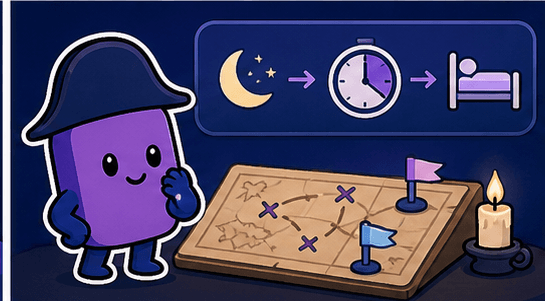
The Napoleon Sleep Method: The Truth About 4-Hour Sleep
Have you heard the story about Napoleon, the great conqueror, who exercised powerful leadership while sleeping only 4 hours a day? Is this sleep method really effective? And did Napoleon actually use this method?
Why Do We Dream So Often? The Science Behind Frequent Dreams
Why do we have vivid dreams on some nights while remembering nothing on others? Let's explore the science of dreams to understand why we dream and how we can enjoy more restful nights.
The Science of Pulling an All-Nighter: How 24 Hours Without Sleep Affects Your Body and Brain
Cramming for an exam, racing against a project deadline, or staying up all night with friends—we've all been there. But what actually happens to your body and brain when you go a full 24 hours without sleep? Let's explore the science behind all-nighters and learn how to handle them when they're truly unavoidable.
Melatonin Side Effects: What to Know About 5mg & 10mg Doses
Melatonin is a natural hormone and popular sleep aid that helps millions get better rest. However, different dosages can come with various side effects. Let's explore how melatonin works, what side effects to watch for at different doses, and how to use it safely.