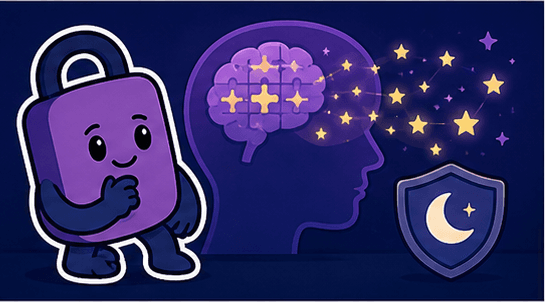
Can Sleep Deprivation Cause Constipation? The Surprising Connection Between Gut Health and Sleep
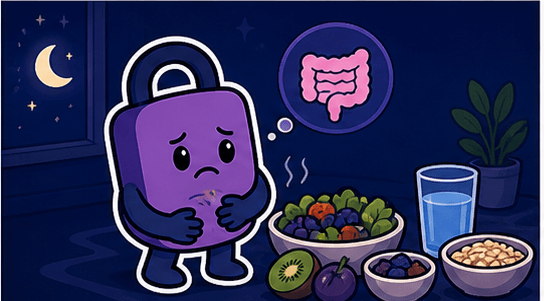
If you're struggling with chronic constipation, the culprit might be sleep deprivation. Sleep and gut health are more closely connected than you might think. Discover how lack of sleep can cause constipation and what sleep habits can improve your digestive health.
The Connection Between Sleep and Gut Health
Our gut is often called the 'second brain' because it's closely connected to our nervous system. The gut and brain communicate through a bidirectional system called the Gut-Brain Axis, constantly influencing each other.
During sleep, our body undergoes recovery and regeneration, and the gut is no exception. During sleep, the gut repairs its lining, regulates the balance of gut microbiota, and prepares for the next day's digestive activities.
Key Point
Sleep deprivation can cause constipation through changes in gut microbiome composition, decreased gut motility, and increased stress hormones.
5 Ways Sleep Deprivation Causes Constipation
Lack of sleep affects gut health through various pathways:
Gut Microbiome Imbalance
Sleep deprivation reduces beneficial bacteria and increases harmful bacteria in the gut. This microbial imbalance (dysbiosis) decreases gut motility and causes constipation.
Increased Stress Hormones
Sleep deprivation raises cortisol levels. Chronically elevated cortisol inhibits gut movement and increases inflammation in the intestinal lining, worsening constipation.
Autonomic Nervous System Imbalance
Adequate sleep activates the parasympathetic nervous system (responsible for rest and digestion). With sleep deprivation, the sympathetic nervous system dominates, slowing gut movement.
Decreased Serotonin Production
About 95% of serotonin produced in the gut regulates intestinal movement. Sleep deprivation interferes with serotonin production, slowing intestinal contractions.
Circadian Rhythm Disruption
Irregular sleep disrupts the gut's circadian rhythm. The gut is most active at certain times of day, and irregular sleep patterns break this rhythm.
Research on Sleep and Constipation
Several scientific studies have demonstrated the connection between sleep and constipation:
Korean Adult Study (2019)
People sleeping less than 6 hours per day had a 1.4 times higher rate of constipation compared to those sleeping 7-8 hours.
American Gastroenterological Study
People with poor sleep quality were more than twice as likely to experience irritable bowel syndrome and constipation-type disorders.
Japanese University Hospital Study
Shift workers reported constipation and digestive disorders at rates more than 40% higher than regular workers.
Sleep Improvements to Relieve Constipation
Sleep habits you can practice for better gut health:
Maintain Regular Sleep Times
Go to bed and wake up at the same time every day. Regular sleep stabilizes the gut's circadian rhythm and makes bowel movements more regular.
Get 7-8 Hours of Sleep
Aim for 7-8 hours of sleep per night as an adult. Give your gut enough time to recover.
Time Your Dinner
Finish eating at least 3 hours before bedtime. Falling asleep while digesting reduces sleep quality and affects gut movement.
Create a Morning Routine
Drink a glass of water after waking up and do some light stretching. This wakes up the gut and promotes morning bowel movements.
Limit Evening Caffeine
Avoid caffeine after 2 PM. Caffeine not only disrupts sleep but can also irritate the gut and cause irregular bowel movements.
Pre-Sleep Relaxation Routine
Activate your parasympathetic nervous system with a warm bath or light stretching. This helps both sleep and gut movement.
Additional Lifestyle Habits for Gut Health
Practice these habits along with sleep improvement:
Adequate Hydration
Drink 1.5-2 liters of water daily. Hydration softens stool and makes bowel movements easier.
Fiber Intake
Eat fiber-rich foods like fruits, vegetables, and whole grains. Fiber promotes gut movement.
Regular Exercise
Walk or do light exercise for at least 30 minutes daily. Exercise activates gut movement and improves sleep quality.
Probiotic Intake
Consume yogurt or fermented foods rich in probiotics. These improve gut microbiome balance.
When to Consult a Doctor
Consult a doctor if you experience these symptoms:
- Constipation lasting more than 2 weeks
- Blood in your stool
- Constipation accompanied by sudden weight loss
- Constipation with severe abdominal pain
- Constipation persisting after improving sleep
- Suspected sleep apnea
Better Sleep for a Healthier Gut
Constipation isn't just about lack of fiber or exercise. The impact of sleep deprivation on gut health is greater than you might think, and it could be a hidden cause of chronic constipation.
Start improving your gut health today with regular, adequate sleep. Good sleep is one of the most natural and effective ways to relieve constipation.
⚠️ Important Notice
This article is for informational purposes only and is not a substitute for professional medical advice, diagnosis, or treatment. If you suspect you have a sleep disorder or any health condition, please consult a doctor or sleep specialist.

Take the First Step to Better Sleep
Build healthy sleep habits with Good Night Lock.
Download Good Night Lock