What Happens If You Don't Repay Sleep Debt? 5 Changes in Your Body
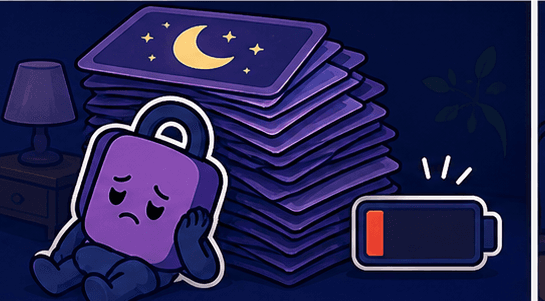
What happens when a little bit of lost sleep accumulates each day? Your body tries to repay sleep debt somehow. But the changes that occur during this process cause problems far beyond simple fatigue.
Deep Sleep Increases
When you're sleep deprived, your body automatically increases the proportion of deep sleep (slow-wave sleep) the next night. This is a natural response where your body tries to repay the debt on its own.
However, this is only a temporary emergency measure. Deep sleep alone cannot compensate for the lack of REM sleep. As a result, sleep quality drops, and you continue to feel unrested the next day.
Key Point
Your body tries to repay sleep debt, but it's difficult to recover all sleep stages at once.
Microsleep Occurs
Microsleep is a phenomenon where you briefly fall asleep for a few seconds to tens of seconds. Your eyes close and consciousness cuts out momentarily without you even realizing it.
This is the brain's attempt to forcibly take rest when sleep debt has accumulated.
Dangers of Microsleep
Accident Risk While Driving
Closing your eyes for just 3 seconds on a highway means traveling dozens of meters
Reduced Concentration
Suddenly zoning out during important meetings or tasks
Slower Reaction Time
Difficulty responding immediately to dangerous situations
Memory Problems
No memory of what happened during microsleep episodes
REM Sleep Increases Explosively
When sleep debt accumulates, REM sleep also increases. This is called 'REM rebound.' You dream more than usual, and the dreams become more intense.
The problem is that when REM sleep increases excessively, sleep quality actually decreases.
REM Rebound Symptoms
Vivid Nightmares
More frequent intense and unpleasant dreams than usual
Frequent Awakenings
Increased number of times waking up from dreams
Morning Fatigue
Not feeling refreshed even after sleeping
Mood Swings
Difficulty controlling emotions during the day
Weight Gain Occurs
Sleep debt is closely related to weight gain. When you don't get enough sleep, metabolism slows down and insulin resistance increases.
An even bigger problem is hormonal imbalance. Leptin, which suppresses appetite, decreases while ghrelin, which makes you feel hungry, increases. As a result, you eat more, especially craving high-carbohydrate, high-fat foods.
Sleep and Weight Management Tips
Maintain Consistent Sleep Schedule
Going to bed and waking up at the same time every day stabilizes metabolic rhythm
Fast 3 Hours Before Bed
Late meals negatively affect both sleep quality and metabolism
Get Adequate Sleep
7-9 hours of sleep is essential for maintaining healthy weight
Immunity Weakens
When sleep debt accumulates, the immune system weakens. Studies show that people who sleep less than 6 hours a day are more than 4 times more likely to catch a cold than those who sleep 7 or more hours.
During sleep, immune cells are actively working and cytokines that regulate inflammation are secreted. When sleep is insufficient, all these processes are disrupted.
Key to Maintaining Immunity
Regular 7-9 hours of sleep is the best immunity booster. Not accumulating sleep debt is the first step in preventing infection.
Sleep Debt: Interest Accrues If Not Repaid
Our body activates various compensatory mechanisms to repay sleep debt. However, these emergency measures are not perfect solutions.
Increased deep sleep, microsleep, REM rebound, weight gain, weakened immunity... all of these are warning signals from your body. If you neglect sleep debt, health 'interest' keeps accumulating. The best solution is to get enough sleep every day so that sleep debt doesn't build up.
⚠️ Important Notice
This article is for informational purposes only and is not a substitute for professional medical advice, diagnosis, or treatment. If you suspect you have a sleep disorder or any health condition, please consult a doctor or sleep specialist.

Take the First Step to Better Sleep
Build healthy sleep habits with Good Night Lock.
Download Good Night LockRelated Articles
Why Is It So Hard to Wake Up in the Morning? Understanding Sleep Inertia
Do you find yourself hitting the snooze button multiple times every morning? Feel like you need an extra hour of sleep no matter how long you slept? You're experiencing sleep inertia - a fascinating phenomenon that affects millions of people worldwide.
Why Alcohol Disrupts Your Sleep (Even Though It Makes You Drowsy)
After a drink or two, you might feel relaxed and sleepy—perfect for bedtime, right? Not quite. While alcohol can make you drowsy initially, it actually sabotages your sleep quality in ways that leave you feeling tired the next day. Let's uncover the science behind alcohol's complex relationship with sleep.
The Napoleon Sleep Method: The Truth About 4-Hour Sleep
Have you heard the story about Napoleon, the great conqueror, who exercised powerful leadership while sleeping only 4 hours a day? Is this sleep method really effective? And did Napoleon actually use this method?
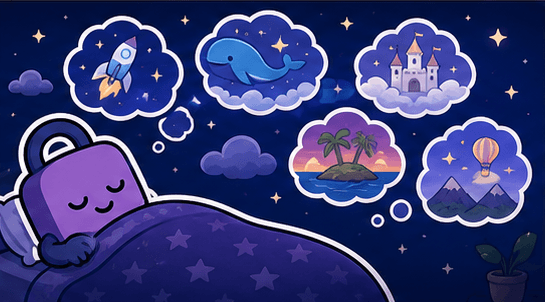
Why Do We Dream So Often? The Science Behind Frequent Dreams
Why do we have vivid dreams on some nights while remembering nothing on others? Let's explore the science of dreams to understand why we dream and how we can enjoy more restful nights.
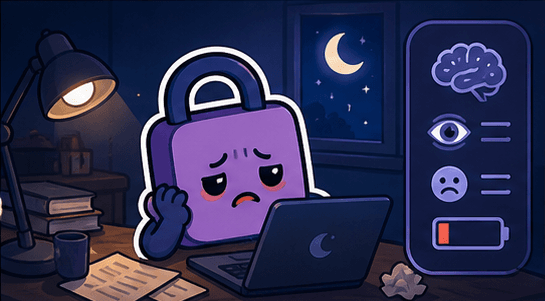
The Science of Pulling an All-Nighter: How 24 Hours Without Sleep Affects Your Body and Brain
Cramming for an exam, racing against a project deadline, or staying up all night with friends—we've all been there. But what actually happens to your body and brain when you go a full 24 hours without sleep? Let's explore the science behind all-nighters and learn how to handle them when they're truly unavoidable.
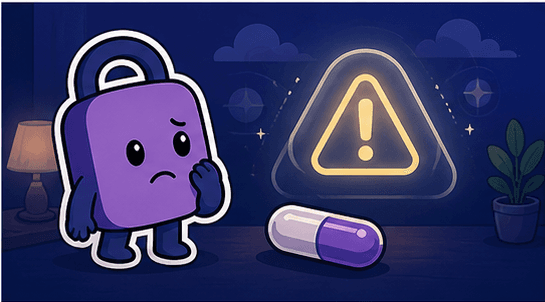
Melatonin Side Effects: What to Know About 5mg & 10mg Doses
Melatonin is a natural hormone and popular sleep aid that helps millions get better rest. However, different dosages can come with various side effects. Let's explore how melatonin works, what side effects to watch for at different doses, and how to use it safely.